

Have you seen the 50 cent coin from the Columbian Exposition? Worth Over $35,000
The 1892 50-cent commemorative coin from the Columbian Exposition can fetch values ??exceeding $35,000 at numismatic auctions today
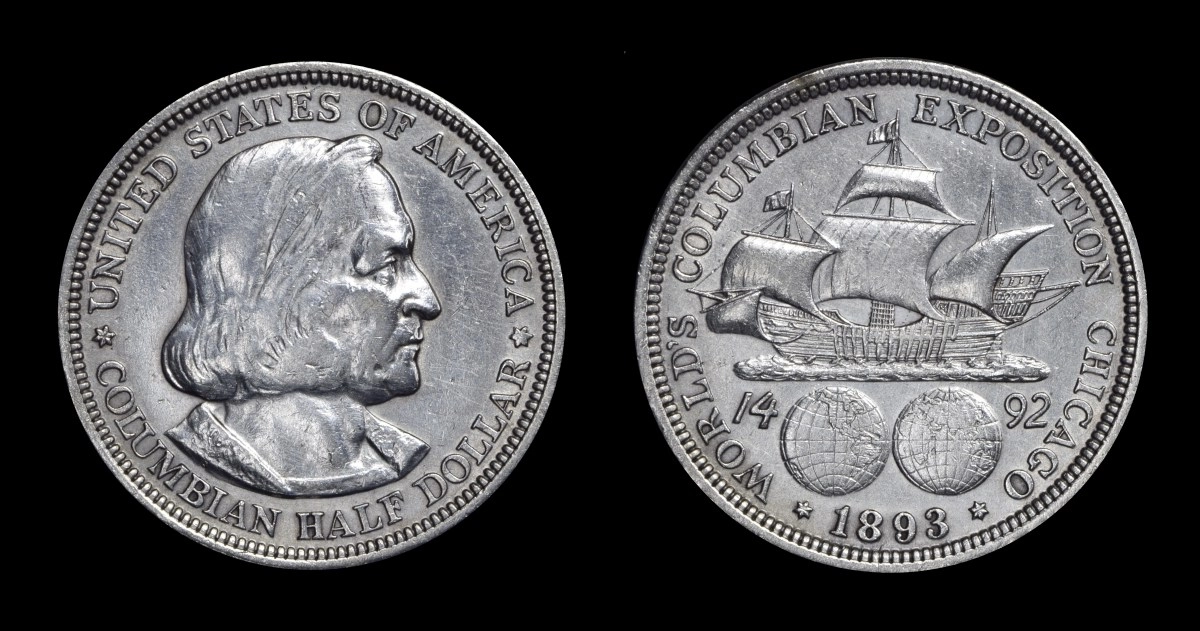

There's a numismatic gem that combines art, history, and economic value: the 1892 Columbian Exposition 50-cent coin. It was created to celebrate the 400th anniversary of Christopher Columbus's voyage to the New World and became the first commemorative coin issued by the United States featuring a historical figure. Today, rare pieces of this coin fetch six-figure prices.
Congress authorized this coin to help fund the 1893 World's Columbian Exposition in Chicago. It was a novel initiative at the time: it not only honored a historic event but also sought to raise funds. Of the millions authorized, a portion was sent to Chicago for display.
The design was complex to develop. James W. Ellsworth inspired the idea by taking inspiration from a Renaissance painting of Columbus. Mint Director Edward O. Leech brought in engraver Charles E. Barber to work on the design. Barber proposed a left-facing profile of Columbus with a globe on the reverse, but was criticized. Sculptor Olin Levi Warner submitted another idea: Columbus facing right, and an image of the Santa Maria sailing over the hemispheres. Barber rejected some elements but delegated engraver George T. Morgan to refine the reverse using photographs of the actual ship. Barber made final adjustments to the master die. Minting began in November 1892 at the Philadelphia Mint. The first coin was rejected due to a flaw in the plate, but, some say, ended up in Ellsworth's collection through an arrangement with the superintendent. Of the 5 million authorized, only about 50,000 pieces were made to Chicago for public presentation. The Remington Typewriter Company purchased "the first" for $10,000 (equivalent to about $340,000 in 2025) as part of a publicity stunt.
Many coins remained unsold. It is estimated that more than 4 million were melted down, held for debt, or put into circulation until the mid-20th century.
Today, For sophisticated collectors, the finest versions can fetch surprising sums. For example:
Lesser-perfect, circulated versions can be found for much more modest prices.
It's worth noting that in mint condition and with a high-quality appraisal, this coin can be worth more than many common rare coins.
If you happen to come across an old hardware store coin, don't discard it immediately. It could be more than just metal: it could be a story worth gold (or silver).