

Hilda Araceli Brown, the Mexican legislator under the US scrutiny for alleged links with the drug traffickers
The Mexican legislator was included by the United States government on the list of people sanctioned for alleged links with
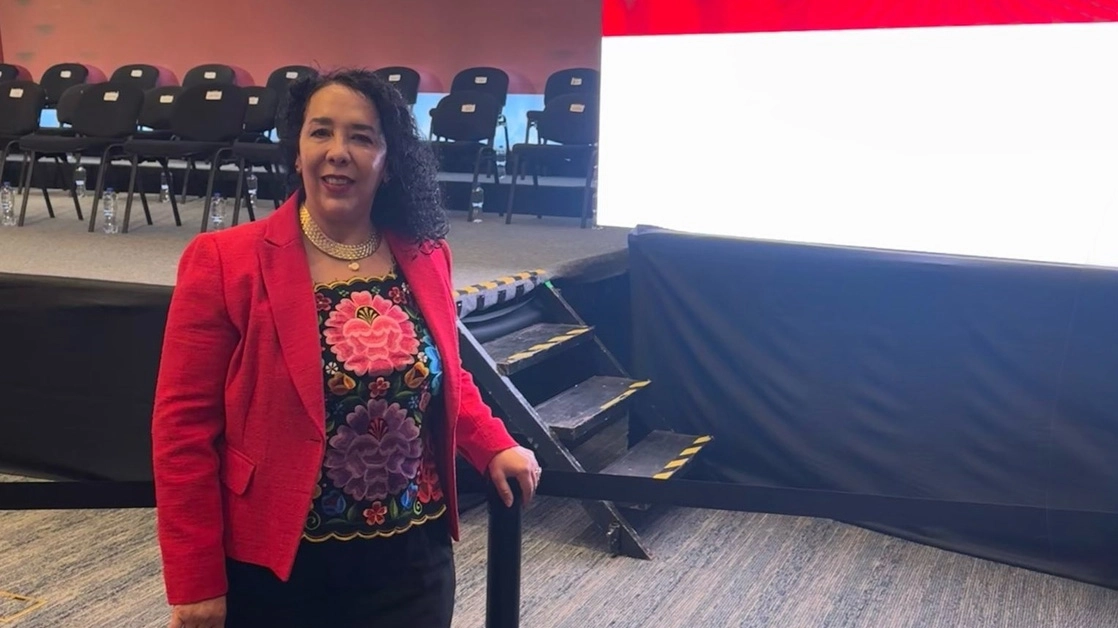

The federal deputy of Morena for Baja California, Hilda Araceli Brown Figueredo, was included by the United States government on the list of people sanctioned for alleged : Spanish: ties to the Sinaloa Cartel faction known as “La Mayiza,” which operates in northern Baja California under the leadership of Ismael Zambada Sicairos, son of Ismael “El Mayo” Zambada.
The sanction, issued by the Department of the Treasury’s Office of Foreign Assets Control (OFAC), accuses the legislator of having provided institutional protection and access to public offices to cartel operators during her tenure as mayor of Playas de Rosarito (2019–2021), as well as maintaining personal and political ties with key figures in the criminal group.
In response to the US sanctions, the Financial Intelligence Unit (FIU) in Mexico confirmed the administrative blocking of Brown Figueredo’s bank accounts, along with those of six other individuals and 15 companies. The measure is preventative in nature, the UIF stressed, pending a financial analysis that could lead to a formal investigation by the Attorney General's Office (FGR).
"The integration of international lists issued by foreign authorities allows the UIF to act in a coordinated manner with the Mexican financial system to prevent resources of illicit origin from being introduced or dispersed in the national economy," the agency said in a statement.
Corruption and protection of drug trafficking
According to the Treasury Department, during Brown Figueredo's term as municipal president of Rosarito, the Arzate Garcia brothers consolidated control of the municipality, considered key for drug trafficking to California.
The US agency claims that local businessman Jesus Gonzalez Lomeli, owner of tourist businesses such as Bombay Beach Club, Coco Beach Club and Mariscos El Caiman, acted as a money launderer for the criminal group.
Through political operative Candelario Arcega Aguirre, identified as close to the legislator, the cartel allegedly placed allies in public office and guaranteed protection from the municipal Department of Public Security.
“Working together, Gonzalez, Arcega, and Brown collected extortion payments for the Arzates, helped manage their operations, and guaranteed protection for their criminal activities,” the OFAC report indicates.
Furthermore, Gonzalez Lomeli’s ties to the criminal leader identified as “El Ruso” strengthens the criminal network that has also been documented by the DEA and Mexican authorities in cities such as Tijuana, Rosarito, and Tecate, where armed structures backed by public officials operate.
In reaction to the accusations, Congresswoman Brown Figueredo categorically denied the US government’s allegations. In a message on social media, she claimed that the accusations are part of an attempt to discredit her.
“Surely, as a consequence of this fight [against corruption], I am the target of an infamy that seeks to discredit me. It is absolutely false that my accounts have been blocked,” she wrote on her Facebook account.
She also stated that she was recently in San Diego, California, which—according to her—contradicts the version of the alleged freezing of assets by the US government. “I am steadfast in any situation, before any authority. I will continue working for you as always,” she added.