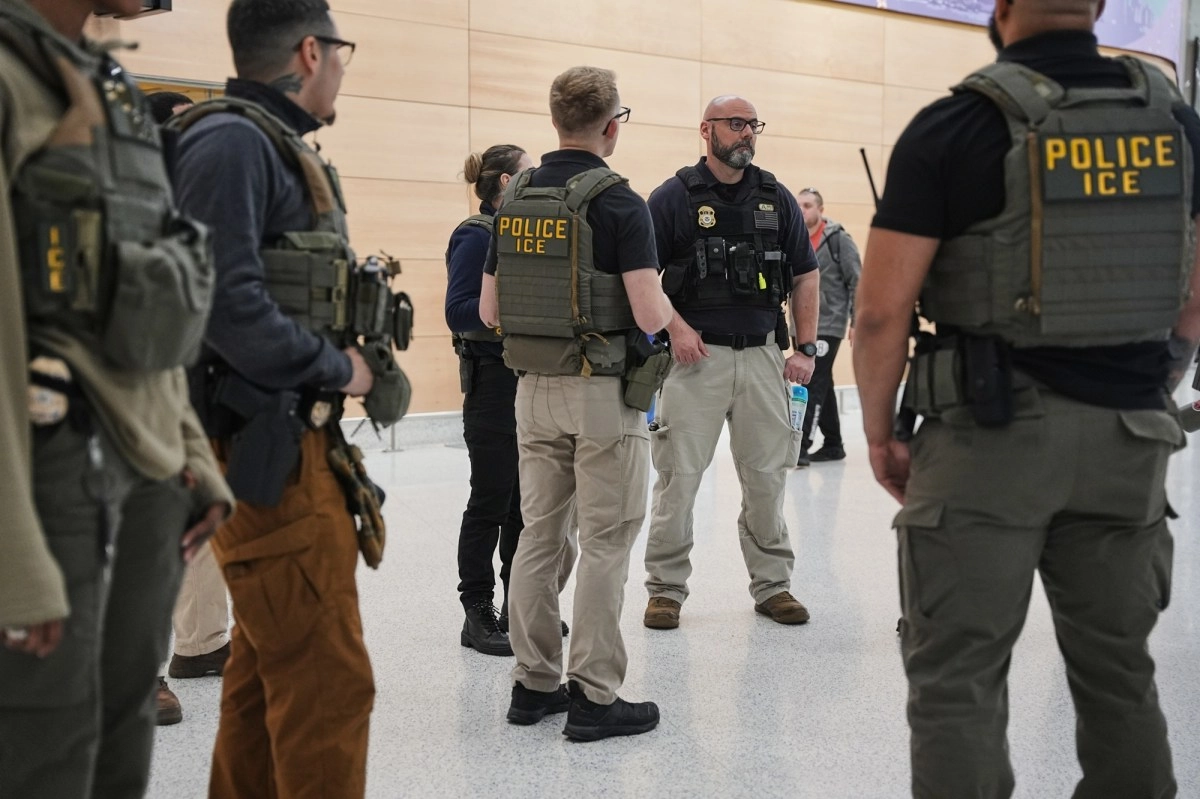
Current conditions at the Immigration and Customs Enforcement (ICE) facility in Portland have been described by its mayor as a “disaster waiting to happen.” A recent tour revealed logistical contamination, deteriorating facilities, and poor management that should never have remained hidden.
During his official visit, Mayor Keith Wilson compared the facility to a neglected construction site: overflowing containers, police equipment spilled about the hallways, and a broken air conditioning system that heightened tensions in the aging building. The contrast with the orderly facilities he has known in his professional life was striking.
Wilson also denounced that access to the site has been strictly controlled by the federal government. Regional media have been denied entry, while federal authorities show the place only to "ideological allies" who support the official narrative. This lack of transparency fuels suspicions about what really happens behind those walls.
Accumulating Risks: A Chain of Accidents
The mayor warns that what is underway is a chain of accidents: minor errors or failures that, together, can lead to human tragedies. He points out that many operational decisions are delegated to overburdened agents, without sufficient supervision or support, which increases the likelihood of critical failures. Wilson worried about ICE agents: many are far from home, overburdened, unpaid during government shutdowns, and forced to make immediate decisions with massive consequences for those in detention. According to him, such institutional pressure cannot be justified under any realistic policy. The mayor warns that the federal administration's language also worsens the situation. Terms like "total use of force" or Portland being a "military laboratory" create a climate of extreme tension. Instead of thoughtful strategies, they deliver an aggressive script that exacerbates conflicts. Violent episodes have already occurred in Portland:Protesters were tear-gassed without apparent provocation; elderly people were dragged; an ambulance was threatened by officers while trying to assist the wounded. There is no reliable evidence of sanctions against those responsible.
Most alarming is that deaths in ICE facilities continue to accumulate. The most recent case involves a 67-year-old man from Jordan. Wilson questions whether, with relaxed hiring standards and insistent recruitment, those involved may be motivated by incentives rather than institutional integrity.
This episode transcends Portland. The facility and ICE's modus operandi are a tangible manifestation of how federal decisions can violate values of integrity, transparency, and respect for life.