

“Migrant Trail Walk” begins to honor the immigrants who died in the desert between Mexico and the US.
This solemn 120-kilometer (75-mile) mobilization pays deep tribute to the more than 8,000 migrants who lost their lives in the desert
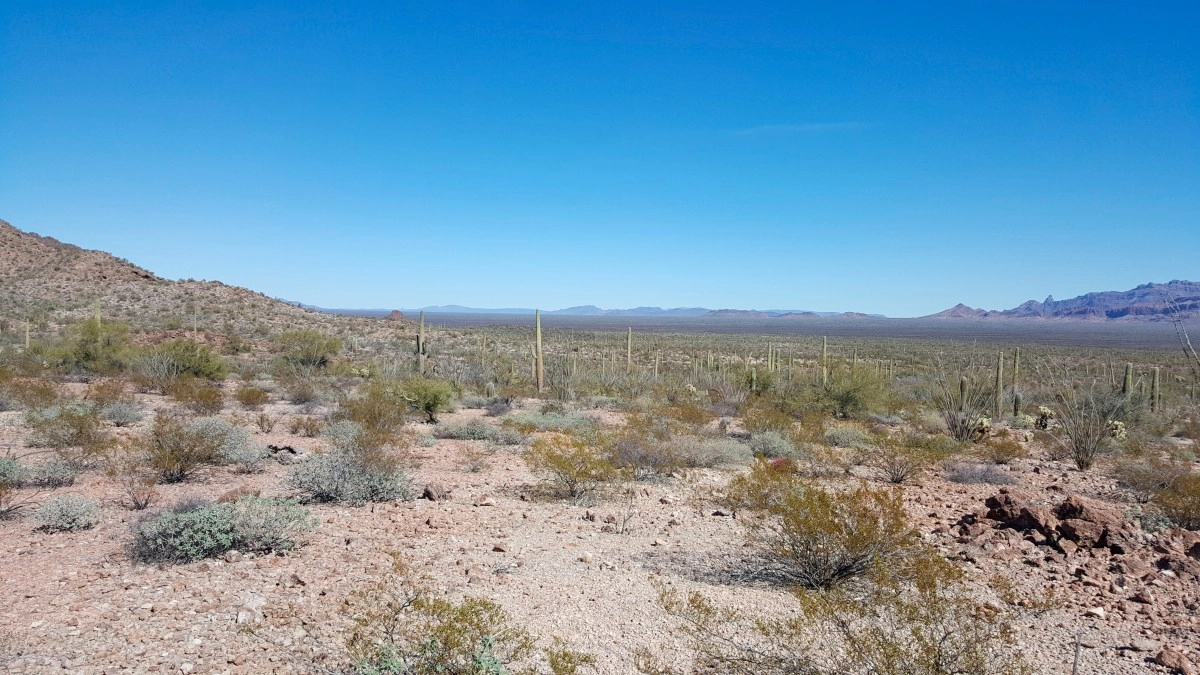

With white crosses in their hands, songs and moments of silence, dozens of activists, volunteers and human rights defenders began the 23rd edition of the Migrant Trail Walk in Arizona, a 120-kilometer journey that seeks to remember the thousands of migrants who have lost their lives trying to cross the Sonoran Desert to the United States.
The mobilization began at the South Side Presbyterian Church, in Tucson, where participants from different states of the country gathered to pay tribute to the victims of one of the most dangerous migratory routes in North America. Before leaving for the border in Sasabe, Arizona, attendees repeatedly said the word “Present,” a tradition used to honor the memory of those who died or disappeared during the journey.
Organizers estimate that more than 8,000 migrants have died since the late 1990s at different points along the US-Mexico border. According to humanitarian groups, more than half of those deaths occurred in the Arizona desert, where extreme temperatures and lack of water make the crossing a deadly risk.
“We walk to show solidarity with the victims of migration who have died or disappeared during their journey,” said Jamie Wilson, one of the walk participants.
For seven days, the group will travel about 75 miles from Sasabe to Tucson, facing the same conditions of heat and exhaustion that thousands of migrants experience each year. For many participants, the experience seeks to raise awareness about the human consequences of immigration policies and the dangerous routes used by those trying to reach the country.
White crosses and unknown names
At the starting ceremony, each participant received a white cross with the name of a deceased migrant or with the words “unknown” or “unknown,” in reference to people whose remains were never identified.
“Every step is a death, every step is a reminder for the forgotten,” said Lourdes González, director of a migrant shelter in Texas and participant in the mobilization.
Matthew Bridges, who traveled from Oakland, California, explained that the walk also provides insight into the difficult conditions migrants face at the border.
“It allows us to experience the type of conditions these people are enduring,” Bridges said. “Despite the number of deaths we see, there are still many, many people who care.”
The International Organization for Migration has reported that at least 131 migrants have disappeared this year on border routes in the region.
Activists fear more deaths at the border
Organizers expressed concern about the impact of stricter immigration measures promoted by President Donald Trump's administration, believing that they could push more people to use remote and dangerous routes to reunite with their families after deportation proceedings.
Kat Rodríguez, one of the founders of the walk, noted that the event was born more than two decades ago with the hope of attracting the attention of political leaders and reducing the number of deaths at the border.
“We thought that if we got enough public attention, we could help end so many deaths, but unfortunately that has not happened,” he declared.
As a recent example of the risks migrants face, activists recalled the discovery of seven people dead near a Union Pacific rail yard in Laredo, Texas. Six bodies were found inside a freight car and another closer to the train tracks.
The walk will conclude next Sunday in Kennedy Park, in Tucson, with a ceremony in memory of the migrants who died and disappeared on the border.