

Papaya, lechesa, fruit bomb… has as many health benefits as names that identify it
Once considered an exotic and tropical fruit, it is now available in all markets and most times of the year
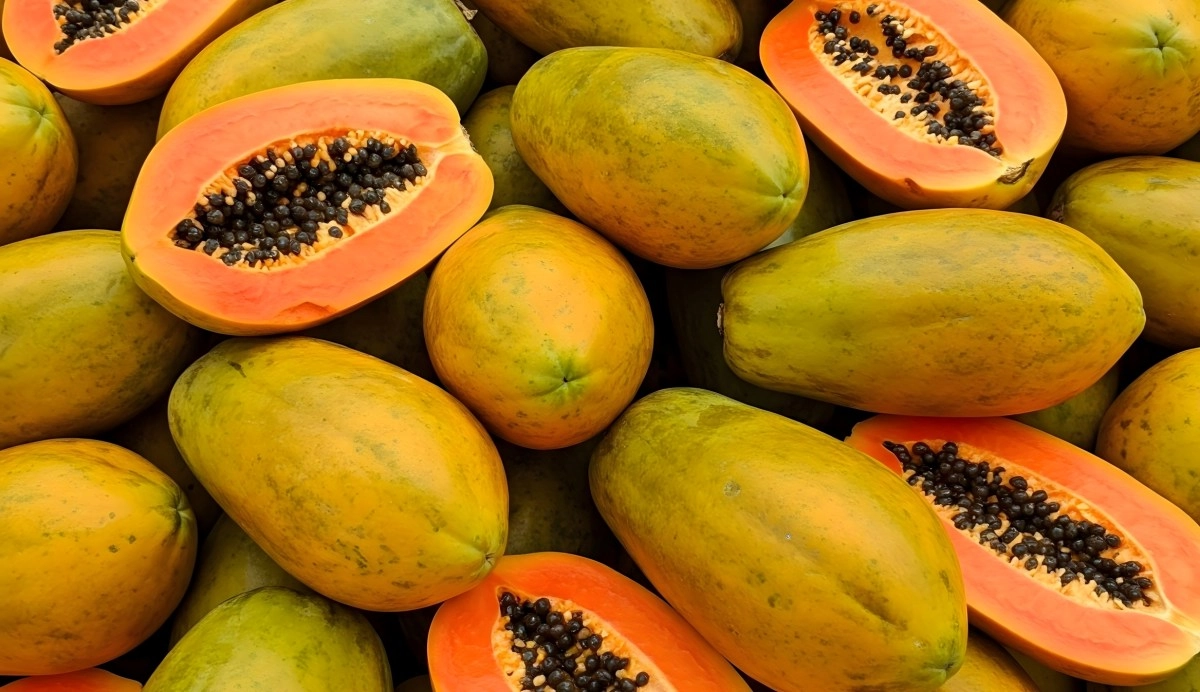

Papaya is fascinating both for its diversity of names and for its incredible benefits. It is accessible in the United States and its availability has been increasing in recent years. In 2023, fresh papaya imports reached a record high of over 500 million pounds, and per capita availability peaked at 1.51 pounds per person, double the average of two decades ago. Mexico is the leading supplier, accounting for about 82% of imports, followed by Guatemala and Brazil. Although imports declined slightly in the first months of 2024, the fruit remains popular and is available year-round, with retail prices around $1.09 per pound for Mexican and Central American varieties. Additionally, there is local production in Hawaii, and exports from countries such as Ecuador and Panama to the United States are expanding. Therefore, papaya is widely accessible to American consumers in various markets and supermarkets.
Names and Benefits
Papaya has almost as many synonyms as the Devil or a pig, depending on the region where it is grown or originates.
In Mexico and Central America, it is known as papaya
In Venezuela, Puerto Rico, and the Dominican Republic, it is called lechesa
In Cuba, it is known as fruit bomb
While in some places, it is also called mamon or melon zapote, among others.
In addition to its scientific name, Carica papaya.
As for its health benefits, it truly has an impressive list:
Digestion: Papain, its star enzyme, helps break down proteins and facilitates digestion. That's why many people eat it after heavy meals.
Immune system: It's very rich in vitamin C; a single papaya can exceed the recommended daily amount.
Skin and healing:This same papain has anti-inflammatory properties and is used both internally and topically.
Antioxidants: Lycopene and carotenoids help combat oxidative stress and may reduce the risk of chronic diseases.
Cardiovascular health: Its potassium, fiber, and vitamin content contributes to maintaining a healthy heart.
In addition, it is low in calories and has a sweet and refreshing taste.
How to consume it
Among the most popular and delicious ways people enjoy it are:
Green papaya is also used as a meat tenderizer (thanks to papain) and is cooked as a vegetable in many cultures.
Even papaya seeds have very beneficial properties for intestinal health.
There are contraindications associated with its Consumption
Because not everything is rosy, papaya consumption can have very specific contraindications and side effects in certain cases. Among the main risks is allergy, especially in people sensitive to latex, since papaya contains an enzyme called papain, similar to a latex protein, which can cause allergic reactions such as itching, swelling, difficulty breathing, or hives, and even severe reactions like anaphylaxis. This risk is higher with green or unripe papaya.
In addition, excessive papaya consumption can cause digestive discomfort such as stomach pain, bloating, diarrhea, or cramps due to its laxative effect and high fiber content.
Pregnant women should avoid green papaya because it can induce uterine contractions and increase the risk of complications during pregnancy.
People with chronic digestive problems should also be cautious with its consumption.
It should be noted that papain can interfere with anticoagulant medications, so it is recommended to consult a doctor if you are taking these drugs.