

The United States denies that Mexican governors have a special permit used for security cases
The DHS indicated that the governors of Sonora and Tamaulipas have not been 'paroled', in reference to a special permit to enter the United States.
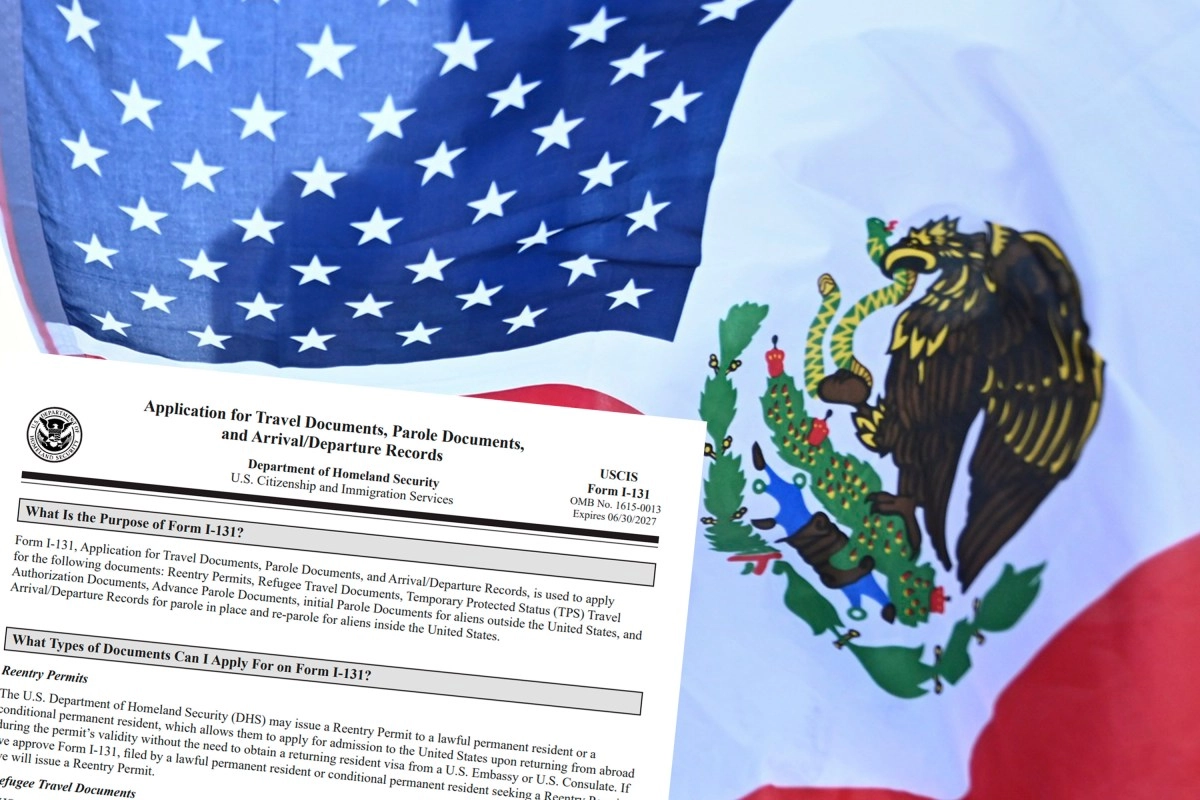

The Department of Homeland Security (DHS) denied that the governors of Sonora, Alfonso Durazo, and Tamaulipas, Américo Villarreal, have a 'parole' or special permit to enter the United States, after reports that their visa was canceled for security reasons.
This newspaper officially requested information from DHS on whether the agency granted a 'Significant Public Benefit Parole' and, if so, under what conditions. The response not only included the denial that such permission to enter the United States had been granted, but the office added the second surnames of both governors, confirming that it was referring to them, given that the formal request included only the first surname of each one.
“Francisco Alfonso Durazo Montaño and Américo Villareal Anaya have not been [benefited from such permission],” the agency indicated in an email to this newspaper. Parole is described as a “parole from deportation” when a foreigner is deemed inadmissible and is a term widely used in immigration matters.
The DHS explains that Significant Public Benefit Parole is a discretionary immigration permit that allows foreigners to temporarily enter or remain in the US without a visa, as long as their presence provides “a recognized benefit to the government, public interest or national security.”
The official response of the DHS is significant in these cases, since only three of its offices can issue such an entry document to a foreigner: the office of Citizenship and Immigration Services (USCIS); Customs and Border Protection (CBP), and Immigration and Customs Enforcement (ICE).
In addition to this, for its response, the DHS needed to review the 'parole' granted by these three agencies, to confirm that the two Mexican governors do not have such permission to enter the United States.
The case of Durazo and Villarreal sparked controversy after a report from the Los Angeles Times that stated that the US withdrew the visas of both governors, in addition to granting them special entry permission, in reference to the 'parole' described above.
In an interview with this newspaper, journalist Steve Fisher indicated that a source confirmed that at least Villarreal had entered the United States through an official port of entry and had been escorted by American officials. There are no details of the reason for that meeting or whether the governor of Tamaulipas is under investigation or is cooperating in any investigation.
“I'm not even saying that they are meeting with United States authorities,” Fisher said last week. "What I can say is that the governor of Tamaulipas, sometimes, when he arrives at the border, United States authorities receive him there and escort him to his destination. But I am not saying that he is cooperating with authorities either."
And what happened to the visas?
To clarify the visa case for Governors Durazo and Villarreal, the DHS directed the request to the Department of State, where this newspaper had already made a request for information.
“For any questions about your visas, we refer you to the Department of State,” the DHS said.
The State Department's response was that review of the validity of visas is an ongoing issue even after they have been approved and, in the event of security concerns that render a foreign national inadmissible to enter the US, consular officers may determine the withdrawal of such entry permission.
“Background checks are an ongoing process, and [visa] applicants are evaluated before, during and after consular resolution,” a State Department spokesperson said. “Upon issuance of a visa, if the Department becomes aware of new and potentially unfavorable information, a consular officer reviews it to determine whether the applicant remains eligible for the visa.”
The cases of Durazo and Villarreal add to the binational debate about corruption in Mexico and the connection between politicians and organized crime. Both governors have denied that their visas have been cancelled.
President Donald Trump's government has increased pressure on Mexico against drug cartels and filed charges against 10 politicians, including the licensed governor of Sinaloa, Rubén Rocha Moya, whom the Mexican federal prosecutor's office refuses to preventively detain, considering that the US did not present sufficient evidence.
Meanwhile, the retired general and former Secretary of Public Security of Sinaloa, Gerardo Mérida Sánchez, surrendered to the US authorities and could face trial in the Southern District Court of New York, where he pleaded “not guilty”, but his judicial process is only in the initial stage.