

U.S. The United States is pressuring Caribbean and Central American countries to break contracts with Cuban doctors.
Secretary of State Marco Rubio called the medical brigade system a “forced labor scheme”
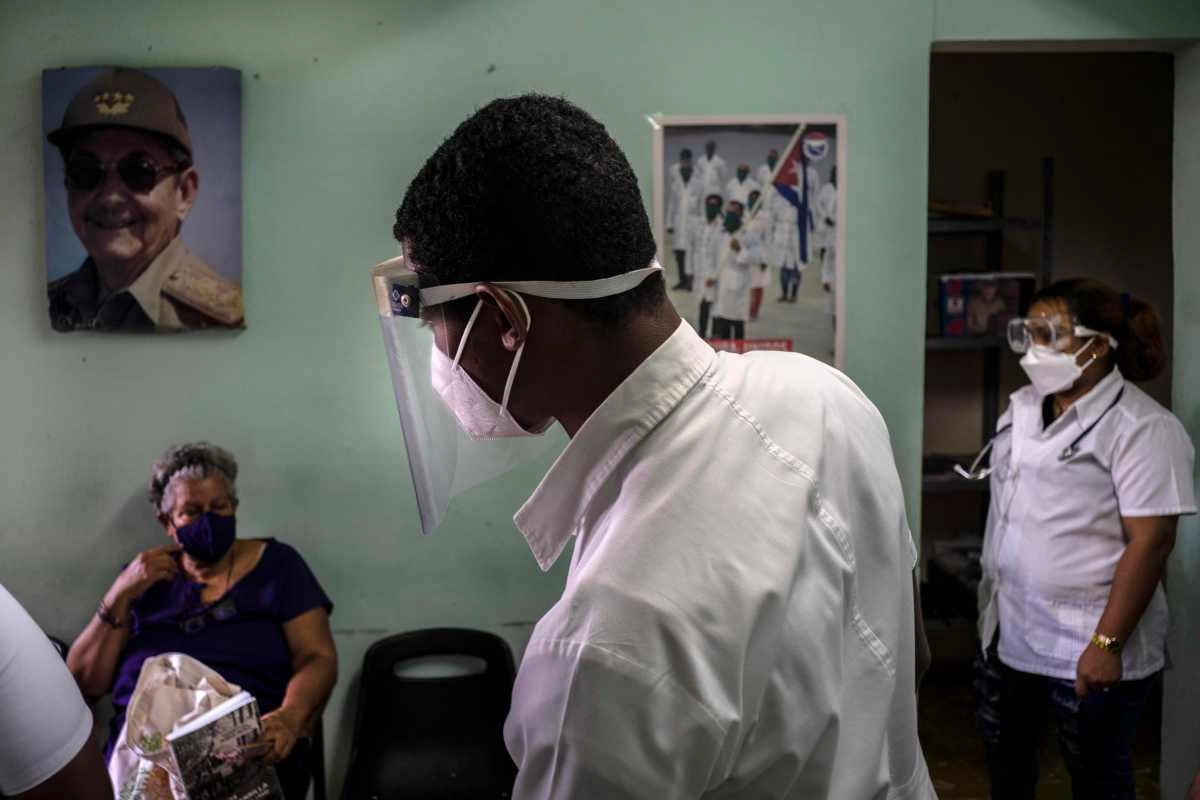

The offensive by the United States against Cuban medical missions is causing a dozen Caribbean and Central American countries to close or reduce their contracts with Havana, amid accusations of “forced labor” and threats of immigration sanctions. Secretary of State Marco Rubio described the medical brigade system as a “forced labor scheme” with “abusive and coercive labor practices,” and announced the revocation of visas for Cuban and foreign officials involved in hiring healthcare personnel from the island. The Cuban government rejects these accusations and maintains that these are solidarity cooperation programs.
An Economic Pillar at Risk
The export of professional services, mainly medical, has been one of Cuba's main sources of foreign currency for years, along with tourism and remittances, sectors also hit by sanctions and restrictions from Washington.
According to the State Department's 2024 Trafficking in Persons Report, Cuba earned between $6 billion and $8 billion annually from the export of professional services. Data from the National Office of Statistics and Information (ONEI) indicate that between 2018 and 2020 these services represented more than 40% of the island's total exports.
Since their creation more than six decades ago, Cuban medical brigades have sent some 600,000 professionals to 165 countries, according to official figures. For recipient countries, these programs have allowed for the rapid strengthening of understaffed healthcare systems. For Cuban doctors, they mean salaries in foreign currency that are higher than what they receive on the island. However, organizations such as Prisoners Defenders report that the Cuban government withholds up to 85% of the payments made by host countries, confiscates passports, and penalizes those who leave missions early. The Caribbean under pressure: The new US sanctions have generated concern in the Caribbean.where several countries depended on Cuban doctors to sustain their public health services.
Members of the Organization of Eastern Caribbean States (OECS) have acknowledged that some islands suspended the programs and others have filed complaints with Washington.
The Venezuelan Uncertainty
The most relevant case is Venezuela, historically one of the main destinations for Cuban medical brigades. According to official figures, in June 2025 there were approximately 13,000 Cuban professionals in that country, mostly doctors.
The cooperation agreement signed in 2000 stipulated the exchange of medical services for oil. However, following the capture of President Nicolas Maduro in the context of a military intervention backed by Washington, the future of the agreement is uncertain. Neither government has formally announced its cancellation.