

First death related to allergy to meat caused by a tick bite reported
It is estimated that more than 100,000 people in the United States have developed an allergy to red meat due to alpha-gal syndrome
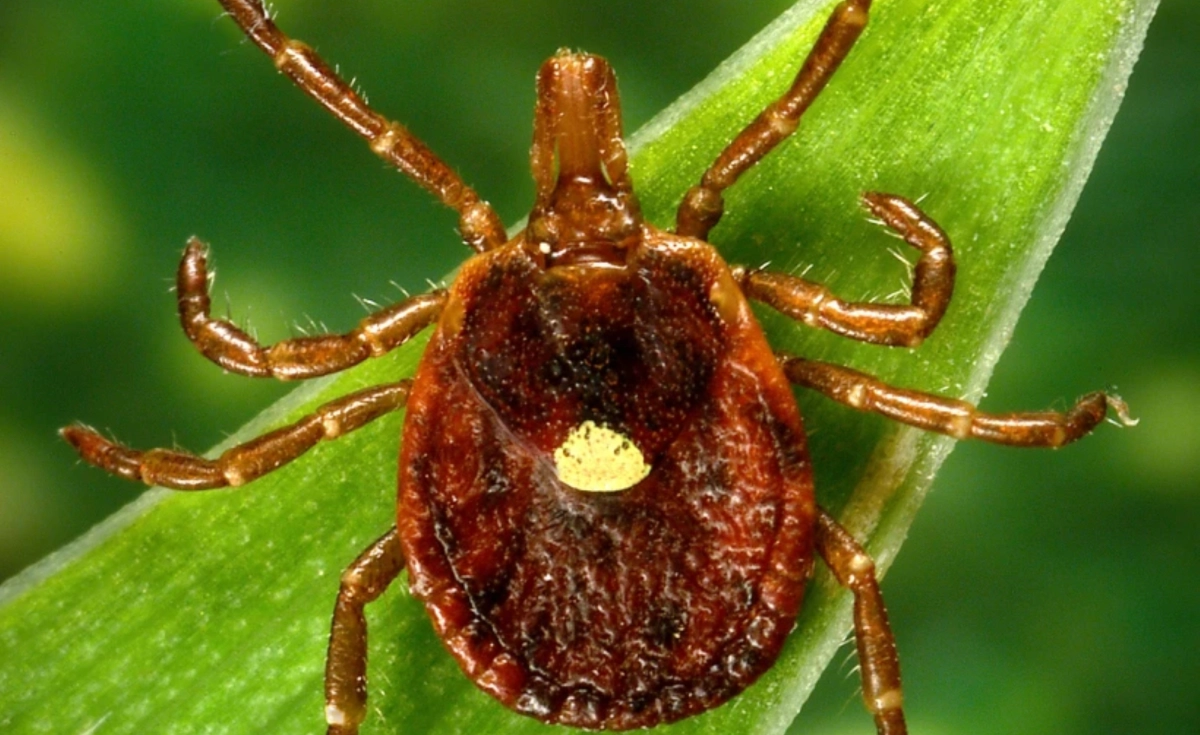

Researchers reported the death of a 47-year-old man in New Jersey, the first attributed to alpha-gal syndrome. The case highlights the severity of the syndrome, associated with bites from the Lone Star tick, which was first discovered in 2011. Since 2010, it is estimated that more than 100,000 people in the United States have developed an allergy to red meat due to alpha-gal syndrome. Some outside experts say this appears to be the first documented case of someone suffering a fatal reaction to alpha-gal shortly after eating meat, reports the Associated Press (AP). They also suggest that deaths may have been misdiagnosed in the past.
Other deaths may have occurred, but were attributed to other causes and not thoroughly investigated like this one, said Joshua Benoit, a tick biologist at the University of Cincinnati.
Alpha-gal Syndrome
The syndrome manifests with symptoms such as hives, nausea, vomiting, and difficulty breathing, which can occur hours after consuming meat. The importance of proper diagnosis to prevent fatalities is emphasized.
Symptoms usually appear between 2 and 6 hours after consuming foods containing the alpha-gal molecule, primarily red meats and sometimes dairy products. In severe cases, anaphylaxis, a life-threatening allergic reaction, can occur.
Some people may experience decreased sensitivity and improvement or disappearance of symptoms if they avoid further bites from alpha-gal-transmitting ticks. The Centers for Disease Control and Prevention (CDC) has launched an online training module to increase awareness of alpha-gal syndrome and improve diagnosis. The increasing presence of the Lone Star tick and its impact on public health requires ongoing attention and education. However,They stated that the agency is not involved in this investigation and cannot say for sure whether this is the first death of its kind.
Effective Treatments
Effective treatments exist for those diagnosed with red meat allergy due to alpha-gal syndrome (AGS),although there is no definitive cure.
The main strategy is to completely avoid consuming red meat and other mammalian-derived products containing the alpha-gal sugar to prevent allergic reactions.
In addition, antihistamines are commonly prescribed to control mild symptoms, and auto-injectable epinephrine (such as EpiPen) is used for emergencies in case of severe allergic reactions or anaphylaxis.
Some emerging treatments include oral immunotherapy and omalizumab, as well as alternative therapies such as auriculotherapy (SAAT), which has shown promising results in prolonged symptom remission without major adverse reactions.
For now, management is based on preventing exposure to the allergen and preparation to treat unexpected reactions, although research on nanoparticles to block allergies is under experimental development, mainly in animal models.