

Trump jeopardizes Gaza ceasefire plan after threatening Greenland
He seems convinced that his negotiation style, based on pressure and personal gain, will once again prevail over traditional diplomacy
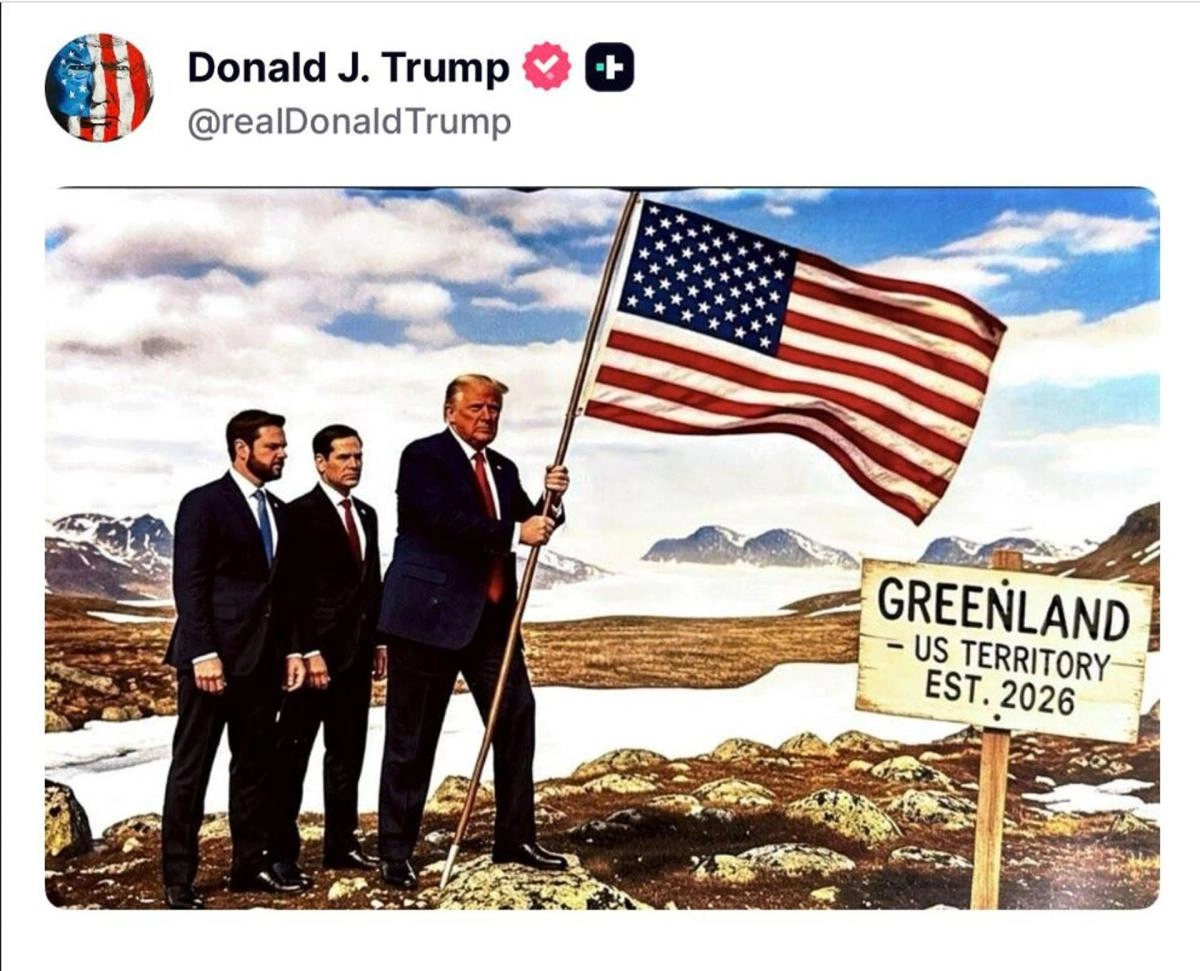

Donald Trump once again shook the international stage by reiterating his renewed threats to annex Greenland to the US and punish European allies with tariffs, actions that have called into question the next steps of his Gaza ceasefire plan and its implementation of the so-called Peace Board, the body he seeks to lead as an alternative to the UN.
In the midst of a key trip to Switzerland to present himself as an architect of global peace, Trump departed Washington for the World Economic Forum in Davos with the promise of discussing the economy and cost of living, but the headlines quickly turned to the diplomatic crisis he himself reignited.
“This will be a very interesting trip, I don’t know what might happen,” he said before boarding Air Force One, hinting that tension would mark his agenda. Experts warn that this conflict could undermine not only stability in Gaza, but also any progress toward halting the war in Ukraine. While advisors in Washington scramble to soften the language of the Peace Board's founding charter and avoid a massive snub in Davos, Trump seems convinced that his negotiating style, based on pressure and personal gain, will once again prevail over traditional diplomacy. Threats over Greenland strain NATO. Over the weekend, the president threatened to impose tariffs on eight European NATO countries that participated in military exercises to defend Greenland, an autonomous territory of Denmark. He followed this with a series of insults and provocative social media posts about the seizure of Greenland. In a message to the Prime Minister of Norway, Trump accused the Norwegian government of preventing the independent Nobel committee from awarding him the Nobel Peace Prize, implying that his main objective was no longer peace. The European response was swift.French President Emmanuel Macron warned from Davos that Europe prefers “respect to bullies” and stressed that the military deployment is solely intended to support Denmark. Although Macron invited Trump to dinner in Paris to ease tensions, the US leader declined the invitation and released the French president's private message. These statements have raised alarms among diplomats and allies who fear a further rift within NATO. “I think we’ll reach an agreement that satisfies both NATO and us,” Trump said in a conciliatory tone, although minutes later he again refused to clarify how far he was willing to go: “You’ll see.”
“I haven’t spoken to the Greenlanders yet, but I’m sure that when I do, they’ll be delighted,” Trump stated, ignoring the polls that show massive rejection on the island of integration with the U.S.
The Peace Board, between skepticism and boycott
Meanwhile, Trump is preparing to sign in Davos the founding charter of the Peace Board, initially conceived to oversee the ceasefire between Israel and Hamas in Gaza. The body, where the president would have exclusive veto power and could lead it even after leaving the White House, seeks to become a platform for intervening in other conflicts, including Ukraine.
But the initial enthusiasm has waned. Of more than 60 invitations sent, fewer than 10 leaders have confirmed their participation, including several considered authoritarian. Key powers such as the United Kingdom, France, and Germany are cautious, and some European officials question whether the new board intends to rival the UN Security Council. Trump has even suggested that the body “could” replace the United Nations, although he later qualified that the UN has “great potential.” For analysts, the offensive on Greenland complicates his “peace president” narrative and threatens to derail negotiations in Gaza. “These issues are not separate,” warned Matthew Schmidt, a defense expert at the University of New Haven. “Trump works with agreements to achieve personal victories, and that can undermine his own objectives.” With Europe irritated and allies reluctant, the Republican leader now faces the challenge of convincing the world that his Peace Board can be established without controversy. Otherwise, his ambition to consolidate the ceasefire in Gaza could become entangled in the same diplomatic storm he himself provoked.The statements have set off alarm bells among diplomats and allies who fear a further fracture within NATO. “I think we’ll come to an agreement that satisfies both NATO and us,” Trump said in a conciliatory tone, although minutes later he again refused to clarify how far he was willing to go: “You’ll see.” “I haven’t spoken to the Greenlanders yet, but I’m sure that when I do, they’ll be delighted,” Trump stated, ignoring the polls that show massive rejection on the island of integration with the U.S. The Peace Board, between skepticism and boycott. Meanwhile, Trump is preparing to sign in Davos the founding charter of the Peace Board, initially conceived to oversee the ceasefire between Israel and Hamas in Gaza. The body, where the president would have exclusive veto power and could lead it even after leaving the White House, seeks to become a platform for intervening in other conflicts, including Ukraine. But the initial enthusiasm has waned. Of more than 60 invitations sent, fewer than 10 leaders have confirmed their participation, including several considered authoritarian. Key powers such as the United Kingdom, France, and Germany are cautious, and some European officials question whether the new board intends to rival the UN Security Council. Trump has even suggested that the body “could” replace the United Nations, although he later qualified that the UN has “great potential.” For analysts, the offensive on Greenland complicates his “peace president” narrative and threatens to derail negotiations in Gaza. “These issues are not separate,” warned Matthew Schmidt, a defense expert at the University of New Haven. “Trump works with agreements to achieve personal victories, and that can undermine his own objectives.” With Europe irritated and allies reluctant, the Republican leader now faces the challenge of convincing the world that his Peace Board can be established without controversy. Otherwise, his ambition to consolidate the ceasefire in Gaza could become entangled in the same diplomatic storm he himself created.The statements have set off alarm bells among diplomats and allies who fear a further fracture within NATO. “I think we’ll come to an agreement that satisfies both NATO and us,” Trump said in a conciliatory tone, although minutes later he again refused to clarify how far he was willing to go: “You’ll see.” “I haven’t spoken to the Greenlanders yet, but I’m sure that when I do, they’ll be delighted,” Trump stated, ignoring the polls that show massive rejection on the island of integration with the U.S. The Peace Board, between skepticism and boycott. Meanwhile, Trump is preparing to sign in Davos the founding charter of the Peace Board, initially conceived to oversee the ceasefire between Israel and Hamas in Gaza. The body, where the president would have exclusive veto power and could lead it even after leaving the White House, seeks to become a platform for intervening in other conflicts, including Ukraine. But the initial enthusiasm has waned. Of more than 60 invitations sent, fewer than 10 leaders have confirmed their participation, including several considered authoritarian. Key powers such as the United Kingdom, France, and Germany are cautious, and some European officials question whether the new board intends to rival the UN Security Council. Trump has even suggested that the body “could” replace the United Nations, although he later qualified that the UN has “great potential.” For analysts, the offensive on Greenland complicates his “peace president” narrative and threatens to derail negotiations in Gaza. “These issues are not separate,” warned Matthew Schmidt, a defense expert at the University of New Haven. “Trump works with agreements to achieve personal victories, and that can undermine his own objectives.” With Europe irritated and allies reluctant, the Republican leader now faces the challenge of convincing the world that his Peace Board can be established without controversy. Otherwise, his ambition to consolidate the ceasefire in Gaza could become entangled in the same diplomatic storm he himself created.Between skepticism and boycott
Meanwhile, Trump is preparing to sign the founding charter of the Peace Board in Davos, initially conceived to oversee the ceasefire between Israel and Hamas in Gaza. The body, where the president would have exclusive veto power and could lead it even after leaving the White House, seeks to become a platform for intervening in other conflicts, including Ukraine.
But the initial enthusiasm has waned. Of more than 60 invitations sent, fewer than 10 leaders have confirmed their participation, including several considered authoritarian. Key powers such as the United Kingdom, France, and Germany are cautious, and some European officials question whether the new board intends to rival the UN Security Council.
Trump has even suggested that the body “could” replace the United Nations, although he later qualified that the UN has “great potential.”
For analysts, the offensive on Greenland complicates his “peace president” narrative and threatens to derail negotiations in Gaza. “These issues are not separate,” warned Matthew Schmidt, a defense expert at the University of New Haven. “Trump works with agreements to achieve personal victories, and that can undermine his own objectives.” With Europe irritated and allies reluctant, the Republican leader now faces the challenge of convincing the world that his Peace Board can be established without controversy. Otherwise, his ambition to consolidate the ceasefire in Gaza could be caught in the same diplomatic storm he himself created.Between skepticism and boycott
Meanwhile, Trump is preparing to sign the founding charter of the Peace Board in Davos, initially conceived to oversee the ceasefire between Israel and Hamas in Gaza. The body, where the president would have exclusive veto power and could lead it even after leaving the White House, seeks to become a platform for intervening in other conflicts, including Ukraine.
But the initial enthusiasm has waned. Of more than 60 invitations sent, fewer than 10 leaders have confirmed their participation, including several considered authoritarian. Key powers such as the United Kingdom, France, and Germany are cautious, and some European officials question whether the new board intends to rival the UN Security Council.
Trump has even suggested that the body “could” replace the United Nations, although he later qualified that the UN has “great potential.”
For analysts, the offensive on Greenland complicates his “peace president” narrative and threatens to derail negotiations in Gaza. “These issues are not separate,” warned Matthew Schmidt, a defense expert at the University of New Haven. “Trump works with agreements to achieve personal victories, and that can undermine his own objectives.” With Europe irritated and allies reluctant, the Republican leader now faces the challenge of convincing the world that his Peace Board can be established without controversy. Otherwise, his ambition to consolidate the ceasefire in Gaza could be caught in the same diplomatic storm he himself created.A defense expert at the University of New Haven said, “Trump works with agreements to secure personal victories, and that can undermine his own objectives.” With Europe irritated and allies reluctant, the Republican leader now faces the challenge of convincing the world that his Peace Board can be established without controversy. Otherwise, his ambition to consolidate the ceasefire in Gaza could become entangled in the same diplomatic storm he himself created.A defense expert at the University of New Haven said, “Trump works with agreements to secure personal victories, and that can undermine his own objectives.” With Europe irritated and allies reluctant, the Republican leader now faces the challenge of convincing the world that his Peace Board can be established without controversy. Otherwise, his ambition to consolidate the ceasefire in Gaza could become entangled in the same diplomatic storm he himself created.