

UN protects 40 new species in the face of global biodiversity crisis; alert for risk of extinction
The agreement reinforces the message that the ecological crisis requires urgent and coordinated responses at a global level
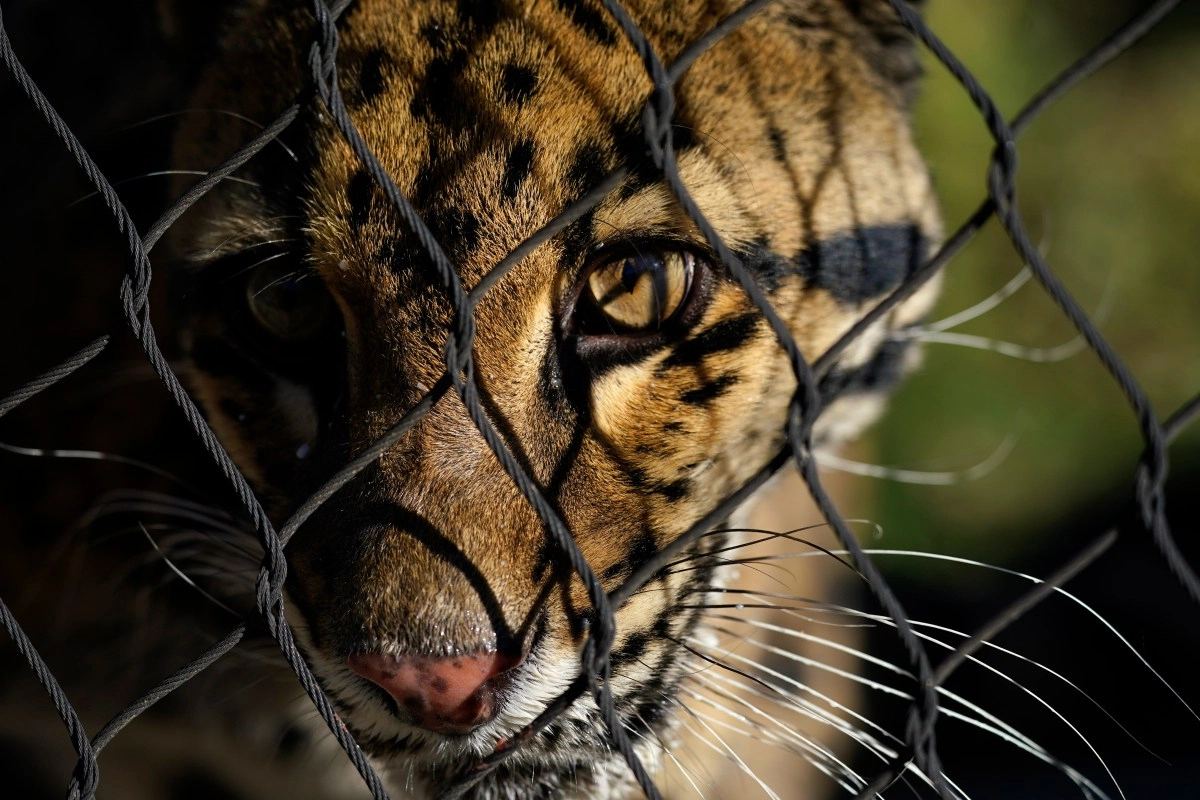

The United Nations agreed to strengthen the protection of global biodiversity by including 40 new species in conservation categories, given the accelerated deterioration of ecosystems and the growing risk of extinction.
The decision was made during the 15th Conference of the Parties to the Convention on the Conservation of Migratory Species (CMS) of Wildlife Conference, held in Campo Grande, where representatives from 132 countries and the European Union agreed on the urgent need to intensify coordinated actions. According to the organization's official statement, "the Parties agreed to include 40 additional species (...) in Appendices I and II of the CMS species," bringing the total number of protected by this international treaty to more than 1,200. Among the species benefiting are the cheetah, the striped hyena, the snowy owl, the giant otter, and the great hammerhead shark. The conference, known as COP15, lasted a week and was marked by compelling scientific warnings. According to the interim report on the state of species (2026), “key biodiversity indicators continue to trend negative,” implying an increased risk of extinction and a sustained decline in populations. CMS Executive Secretary Amy Fraenkel warned that “populations of half the species protected by this treaty are declining” and stressed that, although agreements were reached, “implementation has to start tomorrow,” according to statements made at the event. Among the main threats identified are habitat loss and fragmentation, overexploitation, bycatch in fisheries, pollution, and the impact of climate change. International organizations such as IPBES have previously warned that these factors are accelerating the global ecological crisis. During the summit, political leaders such as Brazilian President Luiz Inacio Lula da Silva emphasized the need for international cooperation. Along these lines, COP15 President Joao Paulo Capobianco stated: “We are protecting species that may never remain within our borders again (…) we are giving concrete meaning to global solidarity.” Furthermore, multi-species conservation plans were approved in key regions such as the Amazon,and collaboration with multilateral agreements was strengthened, as well as the integration of Indigenous knowledge into scientific strategies. International experts and media agree that the decision reflects a growing global concern. According to environmental press analysis, “the international community recognizes that migratory species are especially vulnerable because they depend on multiple ecosystems along their routes.”