

Former CIA director says the US is at a “dead end” in negotiating with Iran
David Petraeus, former director of the Central Intelligence Agency, warns that the US is far from reaching an agreement towards peace with Iran
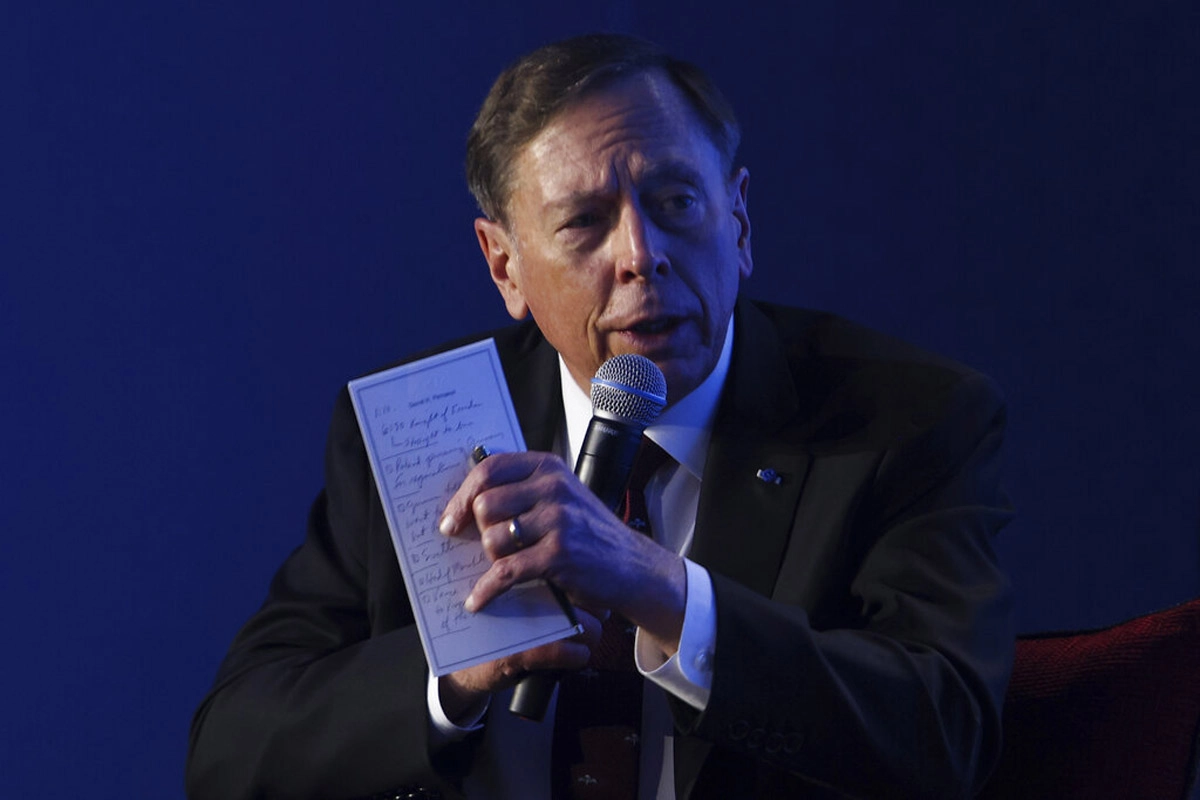

David Petraeus, former director of the Central Intelligence Agency (CIA), is convinced that the US government ran into a “dead end” by starting a war against Iran.
Starting on February 28, when President Donald Trump ordered the bombing of Iran under the argument of putting an end to its uranium enrichment project, he also inadvertently set in motion an energy crisis of still incalculable dimensions, as the Tehran government ordered the closure of the Strait of Hormuz, preventing the transit of oil tankers and any vessel loaded with other goods.
By preventing the arrival of crude oil to Europe and other regions of the world, the prices of most products have skyrocketed and a shortage of both fuels and fertilizers is beginning to be projected, which—directly or indirectly—will end up affecting most countries.
Faced with this panorama, international pressure is turning towards the United States to conclude its war conflict with the Islamic Republic as soon as possible.
Although Trump maintains that he is close to reaching an agreement with Tehran, from the perspective of David Petraeus that seems difficult to achieve, since there are few signs of the Iranians pointing towards a route that returns peace to the Middle East.
In fact, the retired general warned that even more complicated days could emerge for the Trump administration in the war it is waging in the Middle East.
“Iran believes it has more capacity for resistance than perhaps they have in Washington, and time will tell if this is the case or not, but it is clear that it is not offering minimally acceptable conditions.
Tehran is very good at delaying negotiations and having the last word.
David Petraeus also warned that if the United States resumes its offensive with more rigor against the Islamic Republic, it will end up further damaging the critical infrastructure of the Gulf nations.
“It is at a strategic dead end from which any route has significant potential negative consequences,” he pointed out.