

Florida beaches under alert for dangerous currents: what to do if the sea drags you away
The warnings affect parts of the East Coast and the Panhandle, with scattered storms and heat over the weekend. What the authorities warn
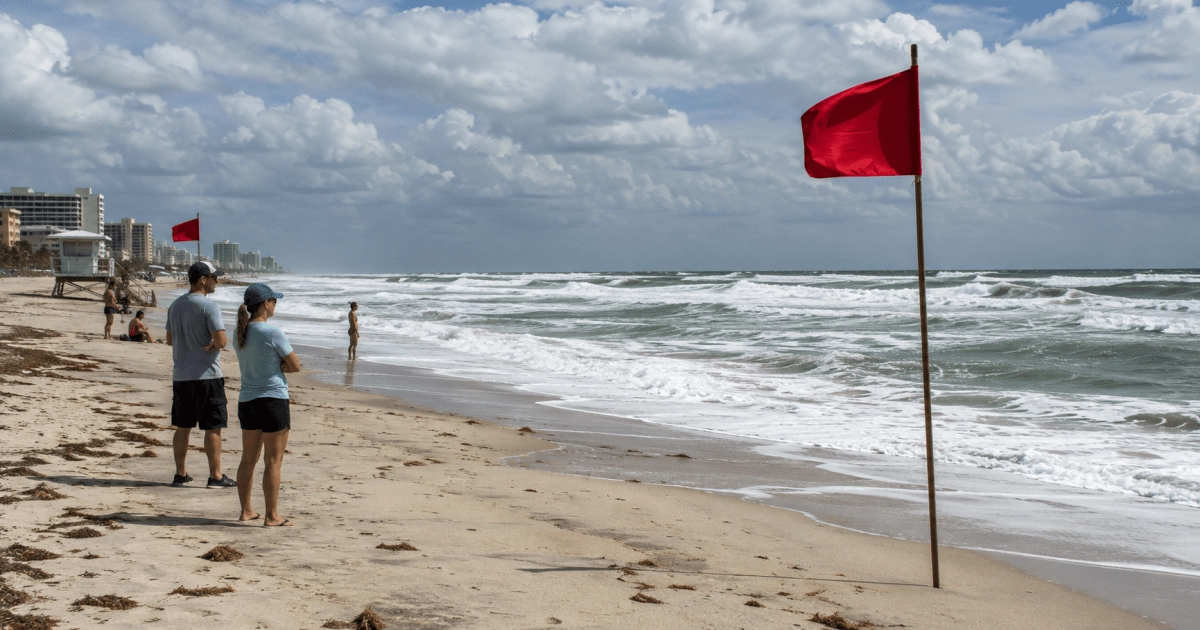

Several Florida beaches face risk of rip currents during the long Memorial Day weekend, a key warning for families and tourists who plan to spend these days near the sea.
The National Weather Service maintains warnings for dangerous currents in parts of the East Coast and the Panhandle. In the Vero Beach area, for example, a Rip Current Statement is in effect until early Sunday morning, May 24, while areas of northwest Florida also report similar advisories over the weekend.
The risk does not mean that all beaches are closed, but it does mean that entering the water can be dangerous, especially for inexperienced swimmers, children and people who do not know well the behavior of the sea. Rip currents can form near sandbars, docks, channels, or areas where waves break strongly.
What areas may be affected
The NWS state map for Florida shows risk of rip currents in various coastal areas and recommends checking local conditions before heading to the beach. In addition, local weather reports warn that the weekend may combine dangerous currents, isolated storms and high temperatures.
In southern Florida, local media reported a high risk of rip currents on beaches on the east coast this Saturday, associated with southeast winds of between 15 and 20 mph.
In Central Florida, the forecast for Orlando and surrounding areas points to a hot and humid weekend, with scattered storms in the afternoon. This can affect both beach plans and visits to parks and outdoor activities.
What to do if a rip current sweeps you away
The main rule is not to swim against the current. Trying to head straight back to shore can quickly exhaust even people who swim well.
It is recommended to stay calm, float or swim parallel to the beach until you get out of the current. Once out of the flow, you can move diagonally towards the shore. If it is not possible to get out, you have to stay afloat, raise your arm and ask for help.
It is also advisable to respect the warning flags, avoid swimming alone and do not enter the water if there are storms nearby. During a thunderstorm, the beach and water are no longer safe places.
How to review the risk before going to the beach
Before heading out, you can check the National Weather Service beach forecast, local advisories, beach flags and lifeguard instructions. Conditions can change within a few hours, even if the day seems sunny.
For this weekend, the recommendation is simple: check official alerts, do not underestimate red flags and prevent children from entering the water alone. On crowded beach days, a rip current can go unnoticed until someone is too far from shore.