

What is the federal law “Swamp Sweep” that would apply in Louisiana starting this Monday
The operation allows ICE to use mechanisms such as tear gas, chemical projectiles, and other restraint techniques
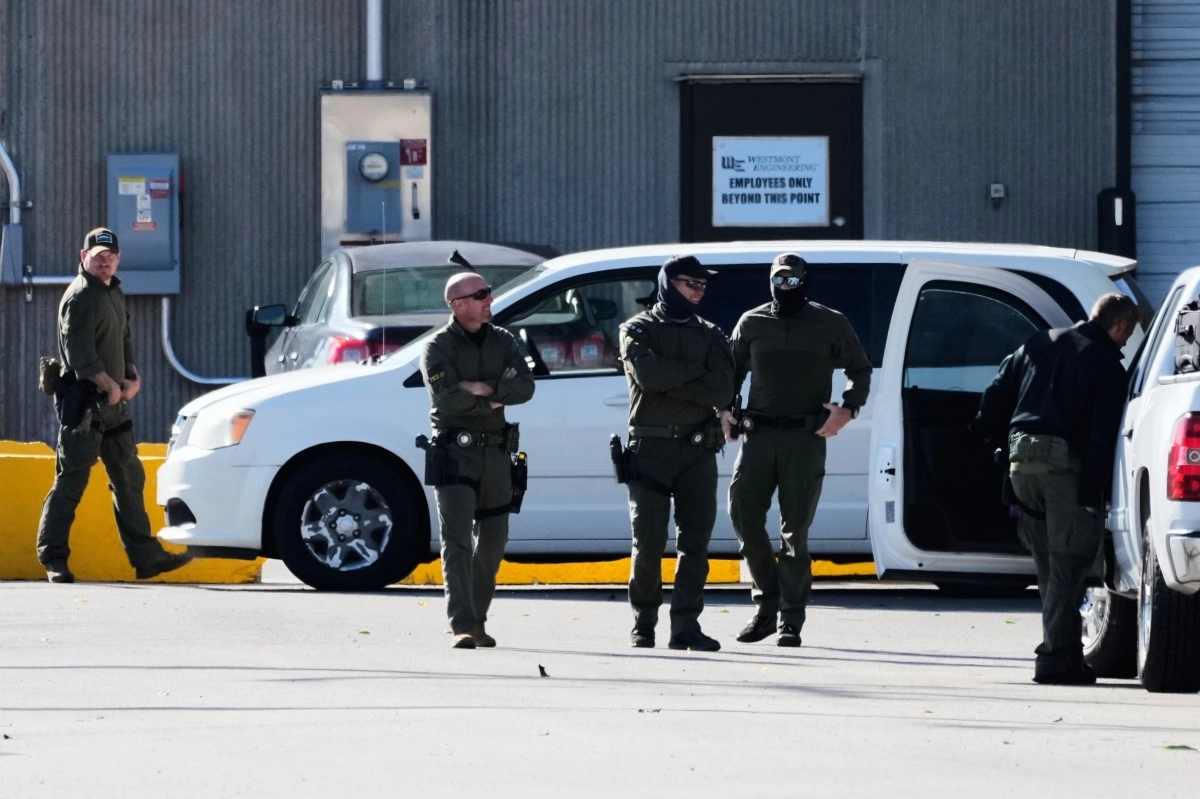

The federal operation known as “Swamp Sweep” has become the most talked-about immigration issue in the United States. This deployment, driven by the federal government, seeks to carry out a massive immigrant detention operation by transferring hundreds of Border Patrol agents to Louisiana and Mississippi. The plan envisions the arrival of approximately 250 federal agents to be deployed across various communities in the southeastern United States. The objective of Operation Swamp Sweep is to make thousands of arrests of undocumented immigrants, marking one of the largest actions ordered by the DHS in recent years. The operation, overseen by the Department of Homeland Security, will begin on December 1, 2025. Its resources include FBI facilities, military centers, and control equipment considered “less-lethal.” This approach reinforces the intensive nature of the new federal deportation policy. The name “Swamp Sweep” reflects the intention to cover large areas of Louisiana and Mississippi. Agents will be deployed across New Orleans, Jefferson, St. Bernard, St. Tammany, and Baton Rouge, conducting an operation that will have a significant community impact.
What is the federal Swamp Sweep law and why is it causing concern?
Although not technically a law, the term “Swamp Sweep” is used to describe a federal immigration enforcement mechanism that allows the government to mobilize agents in extraordinary circumstances, conduct mass arrests, and coordinate operations with local authorities. Its scope has raised concerns about the use of special forces and the possibility of indiscriminate arrests.
The operation contemplates the use of tools such as tear gas, chemical projectiles, and other techniques approved by federal protocols. Civil rights organizations have warned that this operation could lead to human rights violations and severely affect the immigrant population in the area.
Travel Tuesday grew thanks to Hopper,But in the case of Swamp Sweep, the impetus comes directly from federal strategies to intensify immigration enforcement.The operation follows other interventions in cities like Chicago and Los Angeles, solidifying a pattern of mass raids. The Louisiana state government also passed regulations facilitating cooperation with DHS, allowing local authorities to support federal actions. This adds a stricter legal component to the operation, expanding the scope of detentions and accelerating deportation proceedings. Local leaders in New Orleans have expressed concern about the social impact of Operation Swamp Sweep. They fear a breakdown in public trust and disruptions to schools, businesses, and transportation. Immigrant communities anticipate a possible wave of internal displacement due to the climate of fear. Immigrant support organizations have begun organizing "Know Your Rights" workshops to educate residents about their rights when interacting with federal agents. They also warn of a decline in labor and commercial activity in neighborhoods with a high immigrant presence.
Operation Swamp Sweep could become a watershed moment in US immigration policy. Its effects, both legal and social, will shape the course of future federal actions and define the new landscape for thousands of immigrants in the South.