

Chinese dealerships collapse in the face of a tsunami of EVs
The Chinese electric vehicle market is going through an unprecedented crisis: saturated dealerships, price wars that erode margins, and risky practices

At the heart of the global automotive industry, a silent and dangerous battle is being waged today. It is not a war of engines or technology, but a fight for survival by thousands of Chinese dealerships suffocated by a brutal excess of stock. What was an opportunity yesterday, today threatens to become an irreversible collapse.
Read also: Emergency: Ford recalls 700,000 cars due to fire risk
Behind this crisis are the executives who see how entire fairs seem to offer more cars than buyers, and lots accumulate new EVs everywhere.
You can read: Porsche raises its prices again: the 911, more expensive
The avalanche is such that what was thought of as a boost to electrification has transformed into a systemic threat for dealers. Just walk around any shopping area to see endless lines of cars without exit permits.
Faced with this reality, the voice of the Chamber of Commerce of Automobile Dealers in China resounds, demanding an immediate halt to shipments of units "that cannot be sold", since tolerating this avalanche only deepens the profitability crisis for independent sellers.
The dilemma of excess inventory
From within the industry, there are warnings about the widespread practice of self-registration: brands that register their own units to inflate results. A mechanism that, according to the association, "now exceeds the limits of what is reasonable."
The result is simple and devastating: dealers stockpile new vehicles and are forced to liquidate them with such drastic discounts that they operate at a loss.
According to Reuters, the inventory ratio reached 1.42 in June 2025, when a healthy ratio is between 0.8 and 1.2.
The inventory alert index remains at 62.3%, an indicator that traditionally indicates sectors in a critical state. At this rate, the pressure will not only be financial, but also organizational and human.
The warning from industry leaders
Wei Jianjun, chairman of Great Wall Motor, has been blunt: he compares the situation to Evergrande's real estate bubble. "Evergrande of the automobile" was his exact phrase, an alarm bell ringing in every management room. Jianjun warns that this situation affects between 3,000 and 4,000 dealerships, which currently have excessive inventory that puts their viability at risk.
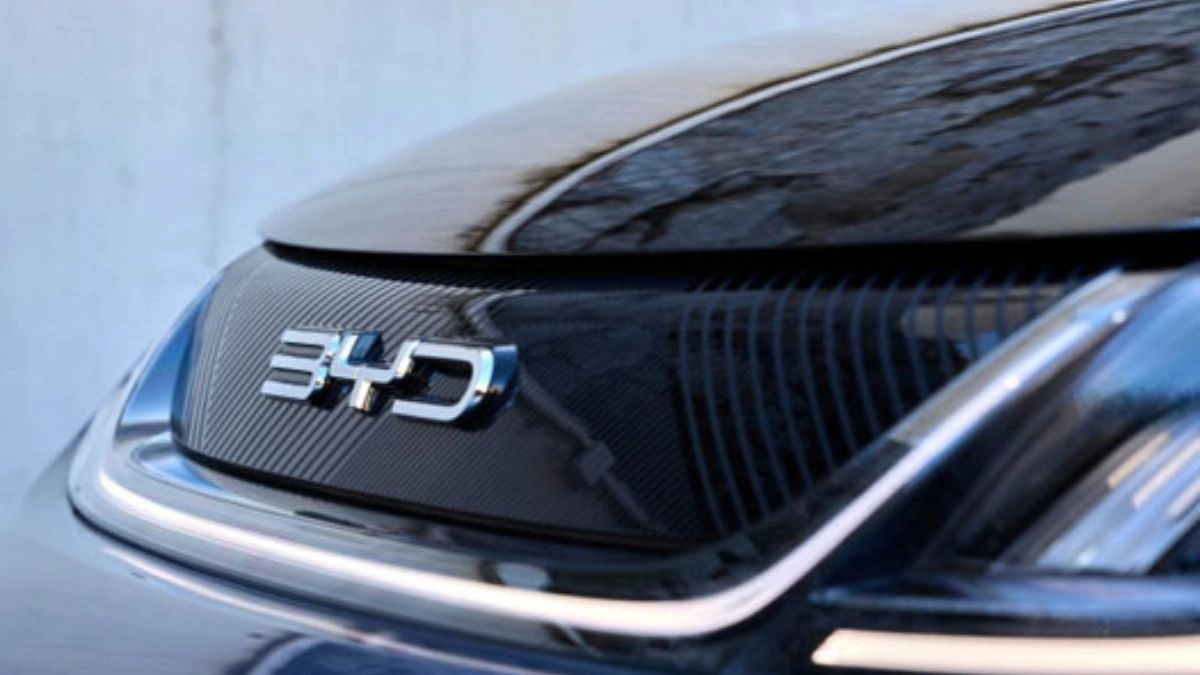
And this is no exaggeration; the big brands are already starting to react. BYD, the leader with 1.26 million units sold between January and May (28.9% of the NEV market), has paused production and halted expansions. Some plants have reduced shifts and canceled lines due to growing inventory, despite lowering prices to below $8,000 on certain models.
Chinese State Intervention
Pressure also reached Beijing. The State Council, led by Premier Li Qiang, pledged to contain "irrational competition" with concrete tools: monitoring prices, controlling the flow of units, and ensuring that suppliers receive timely payments.
Measures to stimulate domestic consumption are also mentioned: easing restrictions at the local level, promoting fleet renewal programs, and encouraging vehicle exchanges. All this in a context where demand is growing, but not at the same pace as supply.
The new energy car market continues to expand. In 2024, nearly 11 million units (BEVs and PHEVs) were sold, an increase of 42%. By 2025, the figure is expected to be around 16.5 million, which will represent 55% of total car sales in China.
But the abundance of models—with accelerated launches that are making previous models obsolete—is suffocating dealers.
If they don't sell today, it's no longer useful: what was presented last quarter doesn't attract customers. And even if carmakers reduce prices or adjust production, the surplus continues to accumulate.
The consequences are already being felt: some retailers, such as several BYD outlets in Shandong, have closed completely. Many are demanding shorter payment terms from brands, viable sales targets, and that store closures not be disguised as "optimization."
They also warn: liabilities caused by long-term purchases—a lesser evil under normal conditions—are now growing and weakening the supply chain. Automakers face a difficult dilemma: adapt or face more serious aftershocks.
Imminent risks in the near future
If this flow of stock is not controlled and targets are not adjusted, several sectors could be harmed. Suppliers, Those who are now being paid late; workers, at risk from mass closures; and consumers, who could see an explosion of low prices but no real resale value.
Furthermore, there is a risk of an abrupt market contraction, with negative consequences for urban mobility, employment, and automotive technology.