

Volvo detects failure in brakes in more than 14,000 vehicles
Volvo faces recall of electric and plug-in hybrid vehicles due to a brake system flaw caused by a software update
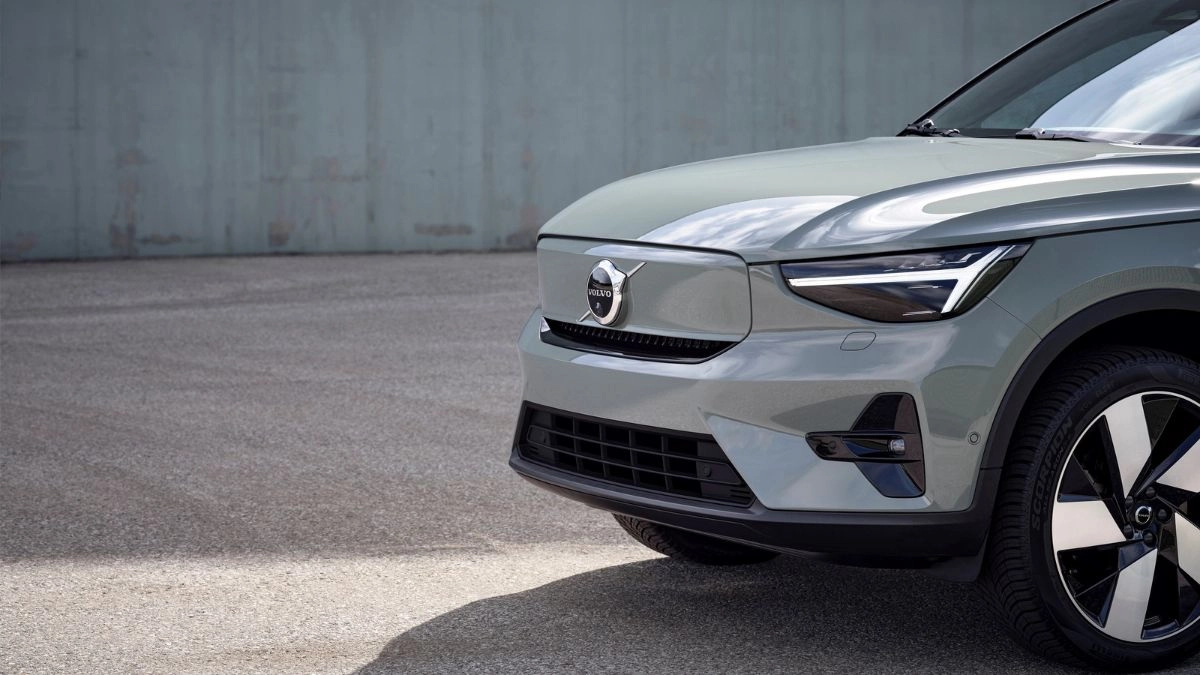

A small line of code can have big consequences. This was recently demonstrated when Volvo was forced to issue a recall affecting more than 14,000 of its vehicles in the United States. The cause was not a defective mechanical part or a structural failure.
This time, the origin was a software update that, far from improving, caused a potential risk in the braking system.
It all started with the distribution of version 3.5.14 of the software, sent by the Swedish brand at the end of April 2025.
The installation was carried out remotely, as part of the OTA (Over The Air) update system that Volvo, like many brands, uses to keep its vehicles up to date without having to go to the workshop. However, not everything went as expected.
The United States National Highway Traffic Safety Administration (NHTSA) publicly confirmed that the flaw affects exactly 14,014 Volvo vehicles, manufactured and sold between 2020 and 2025. All of them received and installed the aforementioned version of the vehicle operating system.
Among the models involved are the S60, V60, S90, XC60, XC90, XC40, EX40, EC40, and C40. That is, a wide range of both pure electric vehicles and plug-in hybrids.
What exactly is the flaw?
According to the technical analysis collected by specialized media such as InsideEVs, the problem does not occur under normal usage conditions. The fault could only occur if the driver descends a slope for at least one minute and 40 seconds without pressing either the brake or the accelerator.
In that very specific context, and if B mode (in hybrids) or One Pedal Drive mode (in electrics) is used, the system could stop responding correctly when pressing the brake.
In the words of the specialized portal, the brakes "could fail only 'after driving downhill for at least one minute and 40 seconds - in B mode for plug-in hybrid vehicles and in One Pedal Drive mode for electric vehicles - without using the brake or the accelerator.'"
Given this situation, Volvo has asked owners to avoid using these driving modes while the definitive solution is applied. Specifically, for plug-in hybrids, it is recommended not to use B mode, while in 100% electric models the One Pedal function should not be used until further notice.
These types of modes are designed to increase the efficiency of regenerative braking, allowing energy to be recovered while decelerating. However, its operation depends on precise synchronization between software, sensors, and the traditional mechanical braking system.
The failure appears to be directly linked to the adjustments that software 3.5.14 made to the electronic brake control module.
In the technical note distributed with that version, Volvo already warned that "the brake should feel less rigid after starting the vehicle." This seemingly minor change would have influenced the system's response in very specific scenarios.
In addition to this adjustment, the software also introduced other minor updates, such as improvements to the lane keeping assistant, traffic sign recognition, and tire pressure monitoring. But none of these modifications generated incidents like the one that has now put the brand in trouble.
Volvo's solution
Volvo was quick to develop a solution. The corrective version of the software, identified as 3.6.4, was released on June 16. This update is also being distributed remotely and has already begun rolling out to affected vehicles.
Thanks to the always-on connectivity of these cars, users do not need to take them to a dealership or schedule an in-person appointment. The fix is ??automatically downloaded and installed if the vehicle is connected to a Wi-Fi network and parked long enough.
Volvo has indicated that no accidents related to this anomaly have been reported so far, although the recall is issued as a precaution.
The brand emphasizes that the possibility of the described situation occurring is extremely low, but considers driver safety to be a priority.
It should be noted that the software update is free of charge for the owner. This is a procedure covered by the brand's maintenance policy, which extends for several years for affected models.
Regarding the commercial values ??of the vehicles involved, these range from approximately $48,000 dollars for a Volvo XC40 Recharge to more than $70,000 dollars for the top-of-the-range XC90 plug-in hybrid.
Consequently, customers who purchased these models expected not only technological innovation, but also total reliability.
And although this event does not translate into a catastrophe, it does reflect one of the most complex challenges facing automotive brands in the era of the connected car: the balance between digital advances and structural safety.