

Chinese giant earns less, but doesn't release the accelerator
BYD cuts its profit by 55% in 2026, pressured by aggressive discounts and an increasingly competitive market
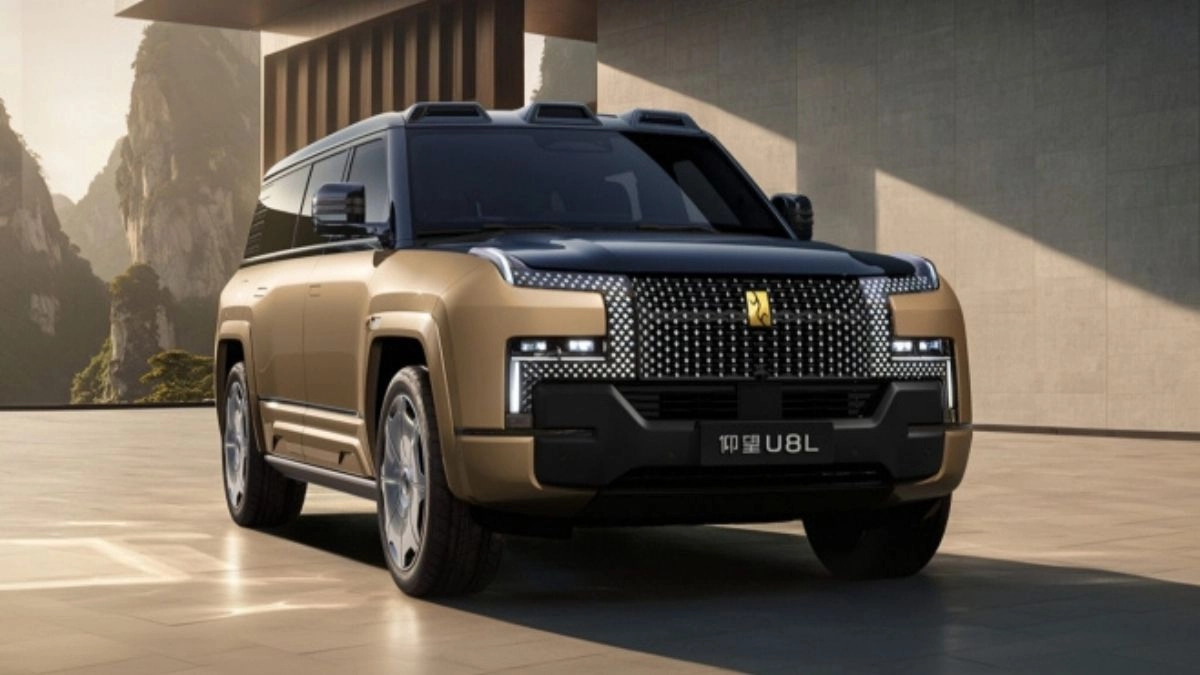

The BYD issues open the year with an uncomfortable mixture of sensations. On the hand, the brand maintains its dominant presence in the electrified vehicle market. On the other hand, the financial results make clear that growth is no longer as profitable as before.
Read also: Mustang Dark Horse SC outperforms Shelby GT500 in power
The Chinese manufacturer closed the first quarter of 2026 with a net profit close to $550 million dollars, a figure that represents a fall gives 55% compared to the same period of the previous year. The data is surprising, especially coming from a company that has been chaining solid results.
You can read: They couldn't hold it: Ford showed the cheapest electric in its history
The explanation is not in a pure fall in sales, but in something more strategic. BYD decided to tighten the prices in its local market to not give ground to new competitors. That decision allowed it to sustain volume, but took a direct toll on the margins.
Discounts that pass bill
The Chinese market has become a battlefield where each brand tries to survive based on aggressive offers. BYD not only participated, but led this dynamic with significant cuts in several of its most popular models.
The problem is evident. Selling cheaper implies earning less for each unit. Although total revenues reached figures close to $20,200,000,000 dollars, profitability was compressed noticeably.
Added to this is a complicated context for the entire industry. The transition towards new technologies and the pressure to electrify ever faster forces us to invest heavily while prices fall. A difficult combination to sustain over time.
Internal adjustments and efficiency
To counter this scenario, BYD is moving chips in its productive structure. The company is committed to simplifying processes and sharing components between different models to reduce costs.
The idea is clear. If each car leaves less margin, the only way is to manufacture more efficiently. In that line, the standardization of electrical and thermal systems becomes key to sustain competitiveness.
There are also more sensitive signs of adjustment. The company is evaluating personnel cuts that could affect a relevant part of its huge workforce, which exceeds one million workers.
Looking away from China
The CEO, Wang Chuanfu, let hint that the local market is going through a complicated stage. “Elimination stage” was the expression he used to describe an environment where not all players will survive.
Faced with that, BYD accelerates its international expansion. The strategy includes new plants in markets such as Brazil, Hungary and Thailand, in addition to greater logistical control with its own transportation fleet.
The focus is on improving the product mix. The premium brands of the group are gaining ground and already showing interesting growth figures, which helps balance the business.
Despite the hit in profits, there is a point where BYD does not plan to cut. Investment in technological development continues to grow and already exceeds $1,500,000,000 dollars at this beginning of year.
The brand understands that its competitive advantage goes through the evolution of its batteries and propulsion systems. That is where it wants to mark the difference against rivals that are moving fast.