

Five car noises that can empty your pocket
A squeaking or knocking noise may seem normal, but some car noises lead to very expensive repairs.
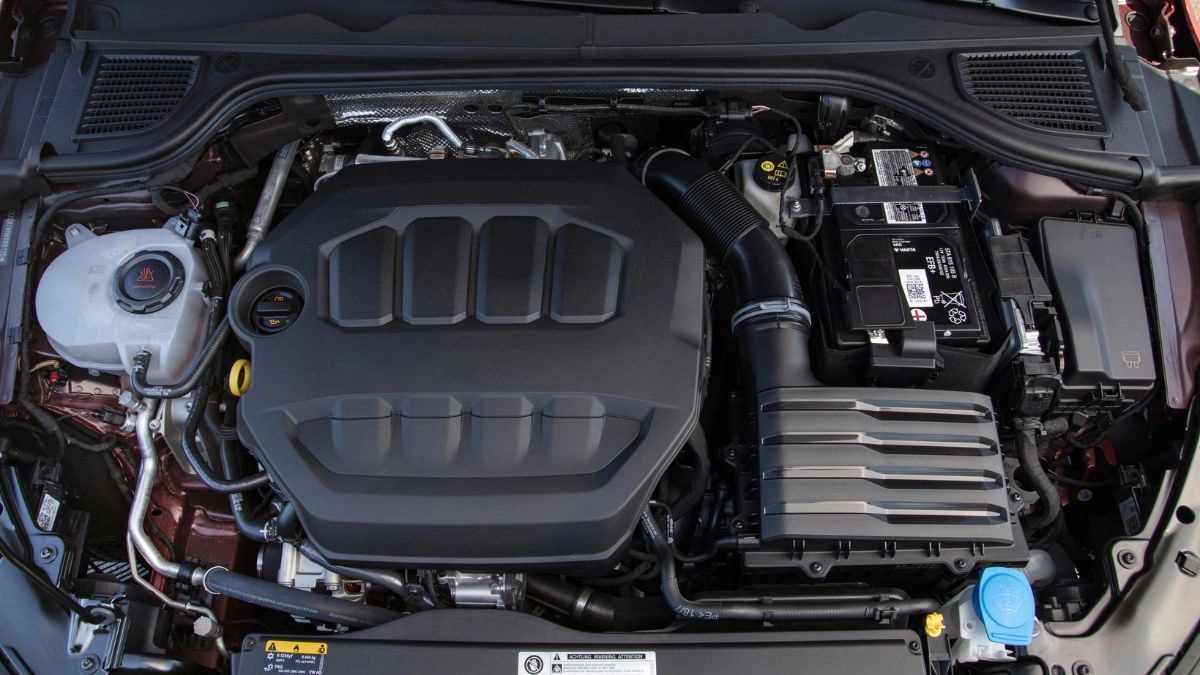

Few things cause more stress while driving than hearing a strange sound while driving. Sometimes it appears suddenly in the middle of traffic and other times it begins mildly, almost imperceptibly, until it becomes a constant nuisance. The complicated thing is that many drivers get used to those noises and continue using the vehicle as if nothing was happening.
Read also: BMW Alpina Vision Concept revives luxury with V8 engine
The problem is that several of those sounds function as an early warning of major mechanical failures. Ignoring them can turn a simple repair into a much higher bill. In some cases, they can even end up affecting key components of the engine, suspension, or braking system.
You can read: Ferrari HC25, the most retro and radical one-off from Maranello
Mechanics usually agree on something. The car almost always warns before suffering a serious breakdown. Therefore, identifying certain noises in time can make the difference between spending little money or facing a repair worth thousands of dollars.
The grinding noise that appears when starting
One of the most common sounds is that high-pitched squeal that appears as soon as the vehicle is turned on or when the driver accelerates. It is generally related to the serpentine belt or one of the engine's auxiliary belts.
When that piece loses tension, wears out, or becomes misaligned, it begins to slide and produces a very annoying noise.
Although many let it go, a damaged belt can end up breaking and affecting important systems such as the alternator, power steering or air conditioning. In the worst scenario, the vehicle may stop in the middle of the road.
Shaking when turning the steering wheel
If the car makes a repetitive sound when turning tight corners or while parking, there is a good chance that the CV joints are damaged.
These parts allow the transmission force to be transmitted to the wheels while the suspension and steering work at the same time. The problem usually begins when the rubber protectors break and leak lubricating grease.
Without that lubrication, metal parts begin to wear out quickly. Although the vehicle may continue to run for weeks, a completely damaged CV joint can cause sudden loss of traction.
Bangs that should never be ignored
A metallic knocking coming from the engine is usually one of the most worrying signs. This noise may be related to problems with the pistons, connecting rods, crankshaft or combustion failures within the cylinders.
It can also appear due to using poor quality fuel, lubrication problems or excessive accumulation of debris in the engine.
Continuing to drive under these conditions can cause severe internal damage. In extreme situations, the repair can end up costing several thousand dollars or even require complete engine replacement.
Squealing when braking and whistling under the hood
The brakes also tend to send pretty clear signals. When the pads are worn, a high-pitched screeching noise appears designed to alert the driver.
If the sound evolves into a loud metallic grinding noise, the metal of the pad is probably already rubbing directly on the brake disc. There the bill begins to rise rapidly, because it is no longer enough to change pads.
Another common noise is the whistling noise coming from the engine compartment. It is often related to vacuum leaks, damaged hoses, or leaks in the cooling system.
That sound can also be accompanied by overheating, something that should never be ignored.
The turbine-like hum
There are drivers who describe this noise as if a helicopter is approaching while the car is moving forward. It usually appears when a wheel bearing begins to wear.
The humming noise increases with speed and is usually felt more on one side of the vehicle. Although some continue to drive like this for months, the problem can affect the stability and safety of the car.
Most of these breakdowns have something in common. They start out relatively inexpensive to fix, but when left to progress they end up becoming much more expensive repairs.