

How to tell a common $5 bill from one that could be worth thousands of dollars
Unique serial numbers, ink details, or special editions make a banknote worth a lot of money at auctions
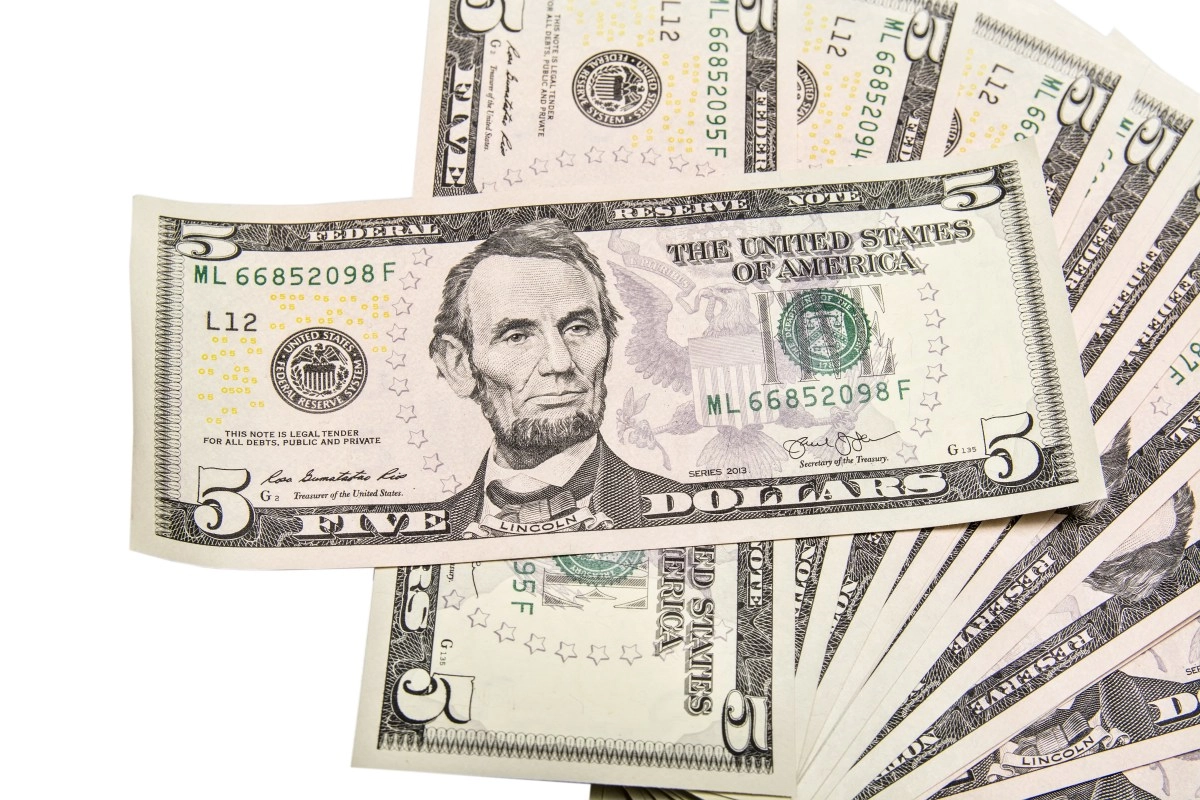

Although thousands of banknotes of any denomination are in circulation every second, and some of them are valuable, they often go unnoticed. The reason for this is that not everyone knows how to distinguish them Such is the case with $5 bills, which mostly have a common and ordinary appearance, but certain examples can end up in large collections and be coveted by many collectors. There are ways to identify these types of bills, and here's how: According to experts, you should first look at the serial numbers. $5 bills generally have serial numbers composed of 10 or 11 numbers and letters, which form patterns. If these patterns are unique combinations, that bill may be worth a lot on the auction market. For example: 22222222, 77773333,0000001,90000000. If a banknote has serial numbers with this type of pattern, it can be worth thousands of dollars. Printing errors are also among the details. Misaligned designs and missing ink are some of the imperfections that stand out. Similarly, star banknotes (replacements for damaged banknotes) are often highly sought after by collectors. Finally, antique banknotes, special or commemorative editions, as well as those related to historical events, can reach up to $1,000 in good condition.