

Loaning your car can be expensive if you don't check the insurance first.
Giving your vehicle to another person can cause insurance problems if the conditions established in the policy are not met.
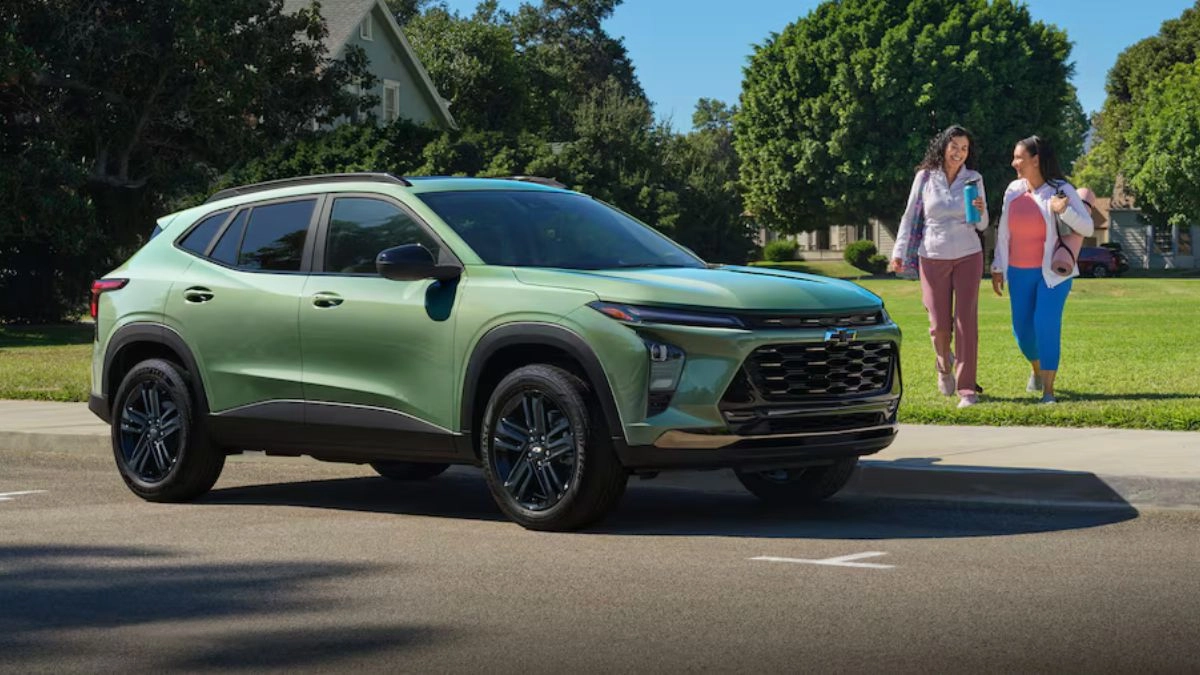

Giving car keys to a family member or friend is often seen as a simple favor. However, this gesture can have unexpected consequences if an accident occurs and the insurance policy establishes restrictions that the owner is unaware of.
Read also: Hyundai wants a more aggressive and powerful Elantra N
Many people believe that any driver is automatically protected by vehicle insurance. The reality is that insurance companies often set conditions on who can drive the car and under what circumstances coverage remains in force.
You can read: The new Mitsubishi Montero rescues a super classic 4×4
Therefore, before lending the vehicle, it is advisable to review the details of the contract to avoid surprises that could result in significant expenses.
Not all drivers are covered
In most states in the United States, insurance is tied to the vehicle. Still, that doesn't mean anyone can drive it without affecting coverage.
A common case occurs when the car is used regularly by someone who lives in the same house and is not listed as an authorized driver on the policy. If that person suffers an accident, the insurer could deny part of the claim or limit compensation.
There may also be restrictions for young drivers or those with a history of serious violations, depending on the contracted conditions.
Vehicle use also influences
The problem is not always related to who is driving. The destination of the car also matters.
If the vehicle is used to make deliveries, transport passengers, or provide services through applications without the policy covering that use, the insurance company may deny coverage.
Something similar can happen when the car participates in unauthorized activities, such as competitions, towing outside of what is permitted, or trips to territories where insurance is not valid.
There are decisions that can be very expensive
Allowing a person without a valid license to drive the vehicle represents another significant risk. In this scenario, the insurer could consider that there was negligence on the part of the owner and refuse to pay the damages.
Furthermore, even if the person responsible for the accident is the one who received the loaned car, the accident will be recorded in the history of the owner's policy. That can result in an increase in the cost of insurance, loss of accrued discounts, or, in some cases, cancellation of coverage.
Before lending the vehicle, it is best to confirm that the driver has a valid license, verify that the use will be occasional and review the conditions of the policy. Spending a few minutes on this check can avoid legal and financial problems much greater than the simple favor of lending a car.