

Mexico toughens taxes on soft drinks, tobacco, video games and gambling
Mexico is one of the largest consumers of soft drinks in the world, with an average of 166 liters per person per year, according to official data
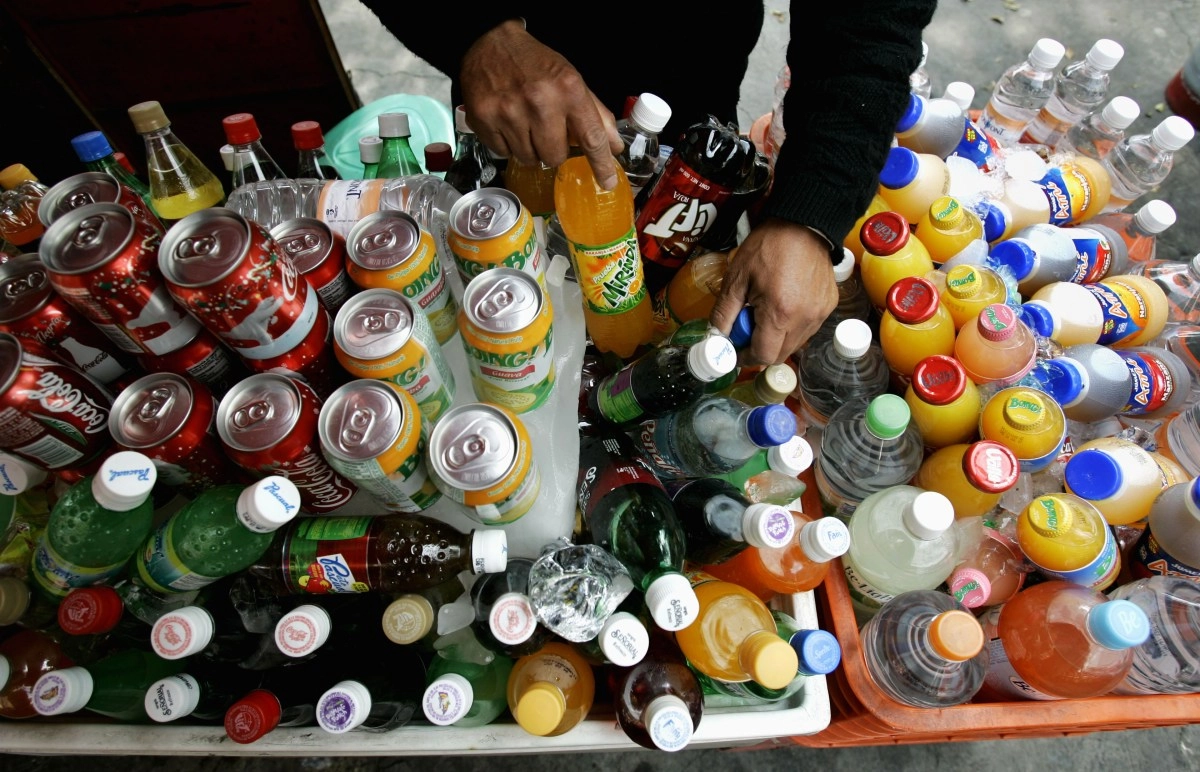

After five hours of the ruling, the Chamber of Deputies of Mexico approved the ruling that reforms, adds and repeals various provisions of the Special Tax on Production and Services Law (IEPS) with which the rates charged on soft drinks and tobacco are updated, and serums, flavored drinks with sweeteners, video games with violent content and gambling, starting in 2026.
For the first time in history, an IEPS will be applied to oral serums that do not comply with the formulas established by the World Health Organization (WHO).
The ruling was approved with 351 votes in favor, 129 against and one abstention. In addition, it establishes that the tax charged on cigarettes goes from the current rate of 160% to a rate of 200%, and for cigars and other hand-made tobaccos the current rate of 30.4% rises to 32%.
This vote takes place within the framework of World Food Day 2025, where the Alliance for Food Health (ASA) called on the Government of Mexico to strengthen public policies to guarantee the right to healthy food, warning that the consumption of sugary drinks, soft drinks and ultra-processed products continues to be one of the main threats to public health in the country.
It should be noted that Mexico remains among the largest consumers of soft drinks in the world, with an annual average of 166 liters per person, according to data from the National Institute of Statistics and Geography (INEGI) and the National Health and Nutrition Survey (ENSANUT).
In addition, it is estimated that in the country, 70% of Mexicans are overweight and almost a third suffer from obesity. In addition, this disease is mainly associated with diabetes and cardiovascular diseases, but also with bone and muscle disorders and some types of cancer.
This, without forgetting that Mexico faces a serious childhood obesity crisis, occupying one of the first places worldwide in this problem.
Hours before the vote,The Mexican Coca-Cola industry has committed to the Mexican government to reduce the calories in its soft drinks by 30% and to make sugar-free versions cheaper than regular versions.
The brand's announcement came as public health organizations have demanded greater restrictions on the sugary beverage industry, despite the implementation of a special tax in 2014 and the front-of-package warning labeling in effect since 2020.