

The electric braking: models that did not survive 2025
After years of promises of change, several brands decided to put the brakes on models that, despite their technology and design, failed to convince the market.

The automotive world does not stop, but sometimes it takes steps back to gain momentum. In 2025, the dream of a rapid transition to electric cars faced its toughest test. Manufacturers that invested millions in the development of new vehicles had to make difficult decisions: cancel projects or suspend production lines that did not meet their goals.
In the United States, where the adoption of electric cars seemed unstoppable, the numbers began to show signs of wear. Sales grew, yes, but only 8% compared to 2024, far from the double digits that analysts expected. With fewer incentives, high prices, and a still limited charging network in many regions, enthusiasm cooled.
The end of incentives and the return of the hybrid
The end of the $7,500 federal tax credit was the hardest blow. Without that benefit, electric car prices were at a disadvantage compared to hybrids and gasoline vehicles, which offer greater range and non-existent recharging times.
The average consumer, increasingly practical, leaned towards the middle option: plug-in hybrids, capable of offering efficiency without compromising the freedom to travel long distances.
Brands, which had been betting everything on total electrification, began to adjust their strategies. The result was a wave of cancellations and pauses that affected models in all segments.
Acura ZDX: a debut that died out too soon
Among the first casualties of the year was the Acura ZDX, the first pure electric SUV from Honda's luxury brand. Introduced with high expectations in 2024, it combined a sporty design with a powerful engine and a 102 kWh battery, capable of offering more than 500 km of range.
However, the public response was lukewarm. Sales never took off and, in September 2025,Acura announced the end of its production. Competition from Tesla, Rivian, and other specialty brands was fierce, and without tax incentives, the ZDX lost appeal to cheaper rivals or those with better charging infrastructure.
Although brief, its presence left its mark. It represented Acura's ambition to enter the new electric era, but ended up being a reminder that even premium brands must adapt to the real pace of the market.
Dodge Charger Daytona R/T: The Electric Muscle That Never Roared
If there's one manufacturer that symbolizes power and tradition in the United States, it's Dodge. Its commitment to the Charger Daytona R/T, an electric muscle car with a synthetic sound system to recreate the roar of the classic V8, seemed like the perfect formula for modernizing nostalgia.
But the dream was short-lived. For the 2026 model year, the R/T version was canceled. Behind the decision was a storm of factors: high battery import costs, tariff instability, and increasingly tight profitability.
The basic Charger Daytona is still standing, but without the most powerful variant (670 horsepower), Dodge missed an opportunity to redefine the muscle car in the electric era. A clear example of how global challenges can slow down even the most audacious projects.
Genesis Electrified G80: luxury that didn't find its audience
It wasn't just traditional brands that suffered the impact. Genesis, Hyundai's premium division, also had to backtrack on one of its most refined models: the Electrified G80.
With a 99 kWh battery, a range close to 480 km, and an interior full of fine materials, this sedan was aimed at the most demanding drivers. However, the numbers spoke for themselves: at their peak, barely 1,000 units were sold in North America.
In August 2025, the company confirmed its withdrawal from the market. The reason was simple: luxury sedan consumers still prefer options with traditional or hybrid engines. Genesis is now redirecting its efforts toward partially electrified versions, without abandoning its commitment to the elegant design that characterizes it.
Models on pause: Nissan Ariya, Volkswagen ID.7 and Ram 1500 REV
Other brands chose to put the brakes on, but without completely giving up on electrification. Nissan, for example, decided to pause production of the Ariya for the US market. Despite its modern design and competitive prices, sales did not justify continuing for now.
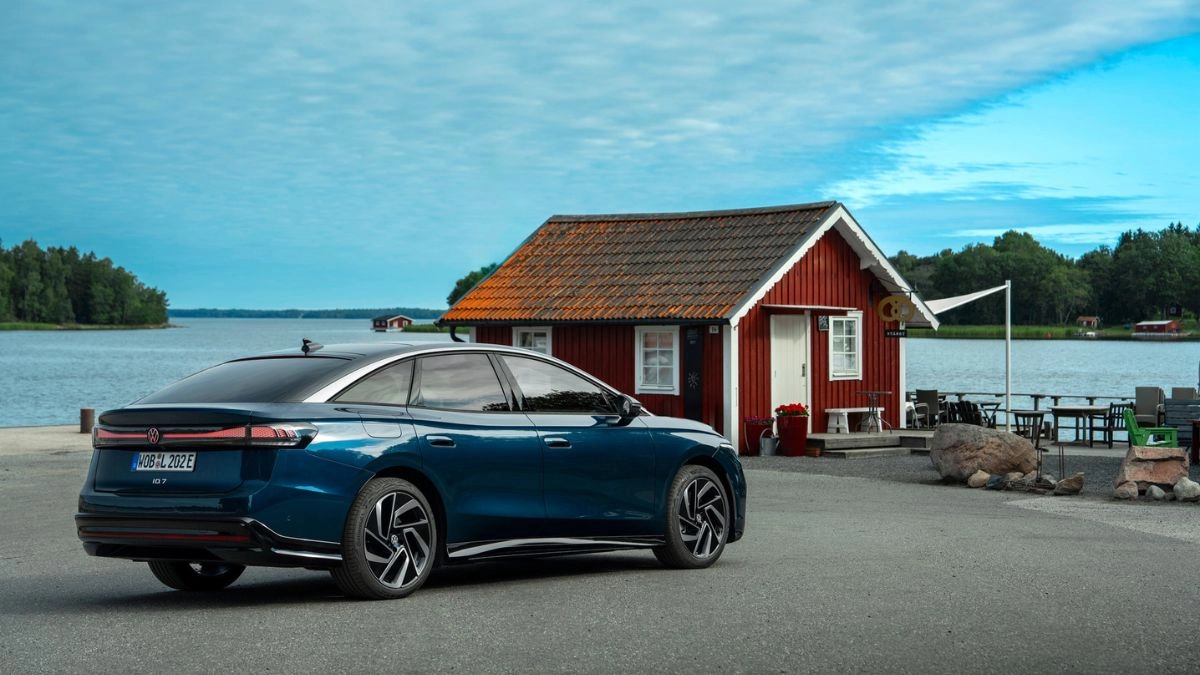
Volkswagen took a more drastic decision: it canceled the launch of the ID.7, its electric sedan intended to compete with the Tesla Model 3. The saturation of the SUV market and the fall in interest in sedans were decisive.
For its part, Ram reworked its strategy for the 1500 REV, the electric pickup truck that promised up to 1,000 km of total range. Instead of a fully electric model, the brand will focus on a plug-in hybrid version better suited to rural America, where charging infrastructure is still insufficient.