

The Ford Ranger faces another recall in the USA: this occurred
Ford announced a new recall of more than 100,000 units of its Ranger pickup in the United States due to a defect in the side curtain airbags
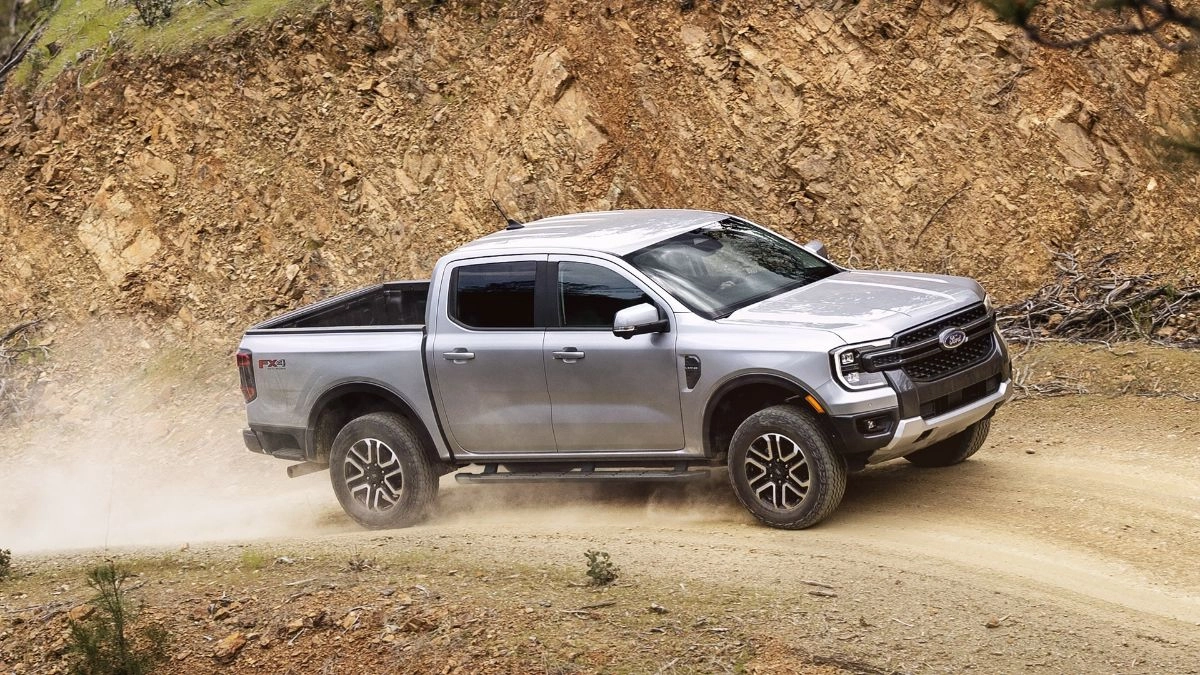

Ford's recent history with its vehicle recalls has added another chapter. The American brand confirmed that more than 100,000 units of the Ranger pickup truck will have to be recalled in the United States after detecting a defect in the side curtain airbags.
Also read: A cyberattack paralyzes Jaguar Land Rover factories
This new recall affects models manufactured between December 2022 and July 2025, corresponding to the 2024, 2025, and 2026 ranges.
You can read: The Chinese giant BYD U8L arrives with a shocking price
According to information published in coordination with the National Highway Traffic Safety Administration (NHTSA), the problem is that the airbags can rupture when deployed, which would compromise their ability to protect passengers.
Although Ford stressed that no accidents or injuries related to this fault have been reported, the company made the decision to proceed with the recall as a precautionary measure Preventive.
A difficult year for the Ford Ranger
2025 is proving to be a difficult year for Ford's flagship pickup. The Ranger had already been recalled on at least two previous occasions. In May, some 2024 models had rearview camera issues, while in August, a problem with the brake booster was reported on 2025 models.
As if that weren't enough, months earlier, defects were also detected in the steering system of 2024 and 2025 models. Now, this new airbag recall becomes the third major recall of the year for the Ranger and one of the most significant due to the number of units involved.
In total, the figure rises to 100,900 vehicles, which once again puts the pickup under the spotlight of consumers and specialists.
The technical problem behind the recall
According to the Ford report, the fault is in the side curtain airbags. During internal tests, engineers detected that, in the event of an impact,These could tear upon contact with the inner reinforcement flange of the B-pillar, a structural part located on the sides of the cabin.
The risk affects both the right and left-side airbags. While the system may activate, the loss of integrity upon rupture would prevent the bags from fulfilling their function of absorbing energy and protecting the occupants.
Although this is a situation that has not yet led to road incidents, early detection made it possible to take measures before an accident occurred.
This is how owners will be notified
Ford reported that it has already begun contacting Ranger customers included in this recall. Notifications will be sent by email and also through traditional mail.
The final solution is not yet ready: engineers are working on an additional protector to reinforce the side airbags, so that they do not come into contact with the B-pillar. The repair is expected to be available during the fourth quarter of 2025.
Once the component is approved and distributed to dealerships, customers will receive a second notification to bring their vehicle in for a review. The repair will be free of charge to owners.
Ford and the pressure of massive recalls
This is not an isolated problem for Ford. In fact, the company has been the brand with the most recalls during 2025. The largest case occurred in early September, when more than 1,300,000 vehicles were recalled for various reasons.
These recalls have a double impact for the brand: on the one hand, they entail considerable expenses in logistics and repairs; On the other hand, they affect the perception of quality in the market. However, they also reflect the company's willingness to act preemptively before defects result in serious accidents.
In the case of the Ranger, Ford emphasizes that none of the recent recalls have resulted in fatalities or crashes directly related to the defects, although it admits that the situation is putting pressure on its reputation.
The Role of the NHTSA and Road Safety
The NHTSA plays a central role in managing these recalls. By collaborating with Ford in the investigation and oversight of the recall, it ensures that consumers receive clear information and that repairs are carried out appropriately.
For owners, the process will be simple: simply check if their vehicle is on the list through the official NHTSA portal or the Ford website, by entering the vehicle identification number (VIN).
With this,ensures that every customer has access to accurate information about whether they should go to the dealership and when the final solution will be ready.
Impact on Consumers
The Ford Ranger is one of the brand's most popular models in the United States and international markets. Its reputation is based on its durability and load capacity, characteristics highly valued by drivers looking for a versatile vehicle for both work and personal use.
However, the string of recalls in such a short period of time has raised concerns among some customers, especially because they affect critical areas such as brakes, steering, and airbags.
Some owners expressed on specialized forums that, although they trust Ford's ability to solve problems, they are concerned about the frequency with which new faults appear. Others, however, value the company's transparency in admitting defects and taking swift action.
Ford Seeks to Regain Trust
With an eye to the future, Ford knows that regaining customer trust will be key.
The company's strategy involves strengthening quality control processes and streamlining technical solutions for each recall.
In the case of the Ranger, offering free repairs and maintaining constant communication with owners are necessary steps to avoid a loss of loyalty. In addition, Ford continues to work on new generations of the pickup, which could benefit from the lessons learned in this difficult 2025.
A Challenge in a Competitive Market
The midsize pickup segment is one of the most competitive in the United States, with rivals such as the Toyota Tacoma, the Chevrolet Colorado, and the Nissan Frontier. In this context, maintaining consumer trust is vital to staying ahead of the curve.
While recalls represent a temporary blow to Ford's image, a proactive response can be decisive in retaining its customers.
Ultimately, in an increasingly complex and technological industry, recalls have become an indispensable mechanism for maintaining road safety and brand transparency.