

The new Toyota Hilux: Will it finally arrive in the US?
The ninth generation of the Toyota Hilux was presented in Thailand with a BEV electric version, but the United States will still not receive it. We tell you more
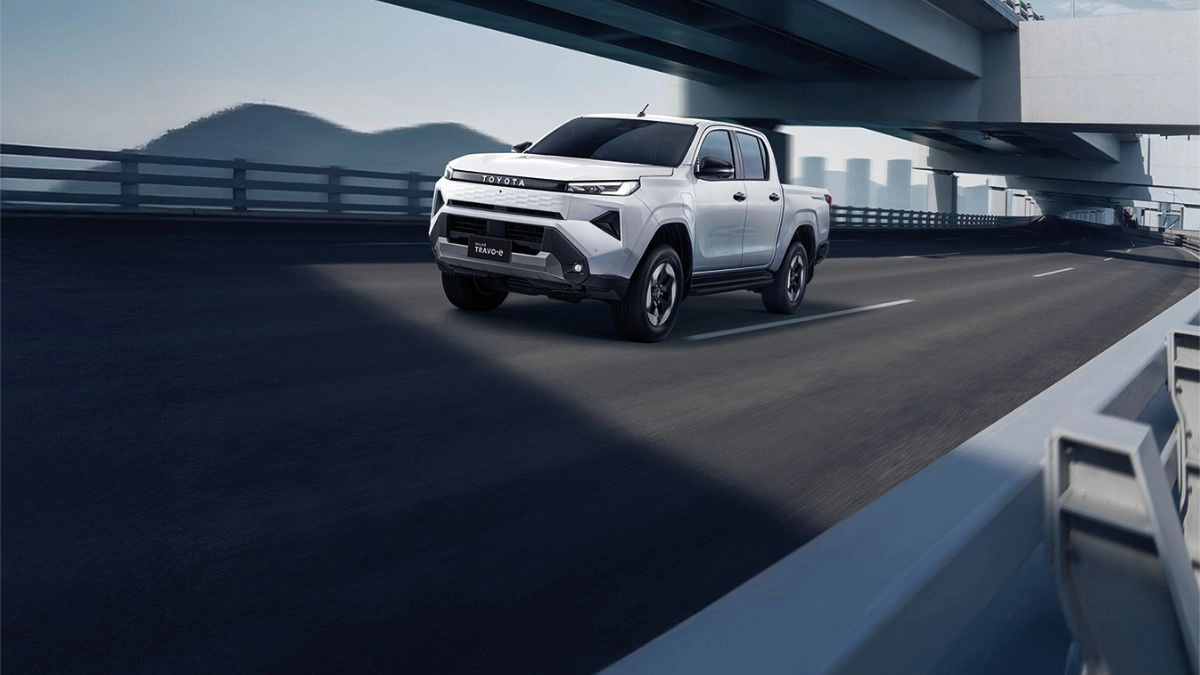

Every time Toyota presents a new Hilux, forums, Facebook groups, and Google searches are filled with questions: Will we finally see the Hilux in the United States? The answer remains negative.
Also read: We tested the 2026 Hyundai Palisade in its hybrid version
The brand has confirmed that its initial rollout targets Asia, Japan in mid-2026, Europe, and Oceania, with an electric variant planned for 2028. The United States, for the moment, is not on the list.
You can read: For soldiers only: the powerful Jeep Commando 392 arrives
This silence is not a mistake, but a strategic decision. The Hilux, even in its 100% electric version, is not intended to compete directly with the most popular pickup in the American market: the Toyota Tacoma.
Tacoma vs. Hilux: two different concepts
The success of the Tacoma explains much of the Hilux's absence. The Tacoma is designed, developed, and manufactured specifically for the American consumer. It offers greater on-road comfort, advanced technology, powertrains optimized for local highways, and a size tailored to American garages and lifestyles.
Meanwhile, the Hilux is a global vehicle, designed for extreme durability and payload capacity in adverse conditions. Simon Humphries, during the presentation in Thailand, mentioned the famous monozukuri: “a focus on simplicity and robustness that prioritizes toughness over technological sophistication.”
Toyota has just invested hundreds of millions of dollars in the new 2024 Tacoma, built on the global TNGA-F platform. Introducing the Hilux here would create confusion and cannibalize Tacoma sales, a move the brand is carefully avoiding.
The Mystique of the Hilux
Despite not being available in the United States, the Hilux maintains a legendary aura. Its fame stems from extreme tests and iconic media appearances, such as that Top Gear episode where they unsuccessfully tried to destroy it. The pickup is recognized in inhospitable areas around the world.From the Atacama Desert to the Arctic Circle.
That reputation for being “indestructible” creates enormous desire in the US market. Many enthusiasts value the Hilux's authenticity compared to the more refined Tacoma, even though in practice they would use it for everyday tasks.
The Tax Wall: The Chicken Tax
Even if Toyota decided to bring the Hilux over for nostalgia, it faces the infamous “Chicken Tax,” a 25% tariff on light trucks imported from outside North America, in effect since 1964. This makes any attempt at direct import an insurmountable economic challenge.
The Tacoma is manufactured in Mexico and, formerly, in Texas, which allows it to avoid this tax. The Hilux is produced in Thailand; Bringing it here would mean increasing the price by 25%, putting it at a disadvantage compared to the Tacoma and rivals like the Ford Ranger or the Chevrolet Colorado.
The only alternative would be to produce it locally, but that contradicts the strategy of prioritizing the Tacoma.
Electric Hilux: An Alternative for the US?
The most interesting new feature of the Hilux is the Hilux Travo-e, a BEV model with front and rear e-axles, 4WD, and a 59.2 kWh battery. Could this electric model change the situation in the United States?
The estimated range under the NEDC cycle is “300 km or more,” which would likely translate to less than 200 miles under the EPA cycle, the US standard. In a country obsessed with "range anxiety," a pickup with less than 200 miles of range would struggle to compete. Toyota seems to be betting on first developing a more robust electric platform based on the Tacoma's TNGA-F architecture, which would make more sense for the US market than importing the Thai BEV platform. The Hilux's absence in the United States is no coincidence: it combines market decisions, recent investment in the Tacoma, and historical tax barriers. The brand maintains the Tacoma as the queen of the mid-size segment while strategically and distinctly exploring electrification.The Tacoma is manufactured in Mexico and, previously, in Texas, which allows it to avoid this tax. The Hilux is produced in Thailand; importing it would mean increasing the price by 25%, putting it at a disadvantage compared to the Tacoma and rivals like the Ford Ranger or the Chevrolet Colorado. The only alternative would be to produce it locally, but that contradicts the strategy of prioritizing the Tacoma. Electric Hilux: An Alternative for the US? The most interesting new feature of the Hilux is the Hilux Travo-e, a BEV model with front and rear e-axles, 4WD, and a 59.2 kWh battery. Could this electric model change the situation in the United States? The estimated range under the NEDC cycle is "300 km or more," which would likely translate to less than 200 miles under the EPA cycle, the US standard. In a country obsessed with "range anxiety," a pickup with less than 200 miles of range would struggle to compete. Toyota seems to be betting on first developing a more robust electric platform based on the Tacoma's TNGA-F architecture, which would make more sense for the US market than importing the Thai BEV platform. The Hilux's absence in the United States is no coincidence: it combines market decisions, recent investment in the Tacoma, and historical tax barriers. The brand maintains the Tacoma as the queen of the mid-size segment while strategically and distinctly exploring electrification.The Tacoma is manufactured in Mexico and, previously, in Texas, which allows it to avoid this tax. The Hilux is produced in Thailand; importing it would mean increasing the price by 25%, putting it at a disadvantage compared to the Tacoma and rivals like the Ford Ranger or the Chevrolet Colorado. The only alternative would be to produce it locally, but that contradicts the strategy of prioritizing the Tacoma. Electric Hilux: An Alternative for the US? The most interesting new feature of the Hilux is the Hilux Travo-e, a BEV model with front and rear e-axles, 4WD, and a 59.2 kWh battery. Could this electric model change the situation in the United States? The estimated range under the NEDC cycle is "300 km or more," which would likely translate to less than 200 miles under the EPA cycle, the US standard. In a country obsessed with "range anxiety," a pickup with less than 200 miles of range would struggle to compete. Toyota seems to be betting on first developing a more robust electric platform based on the Tacoma's TNGA-F architecture, which would make more sense for the US market than importing the Thai BEV platform. The Hilux's absence in the United States is no coincidence: it combines market decisions, recent investment in the Tacoma, and historical tax barriers. The brand maintains the Tacoma as the queen of the mid-size segment while strategically and distinctly exploring electrification.The absence of the Hilux in the United States is no coincidence: it combines market decisions, recent investment in the Tacoma, and historical tax barriers. The brand maintains the Tacoma as the queen of the mid-size segment, while strategically and distinctly exploring electrification.The absence of the Hilux in the United States is no coincidence: it combines market decisions, recent investment in the Tacoma, and historical tax barriers. The brand maintains the Tacoma as the queen of the mid-size segment, while strategically and distinctly exploring electrification.