

USCIS ends cash payments: only digital payments will be accepted
Warning that immigrants will be left vulnerable to scams, and that the measure creates obstacles for those without access to banking
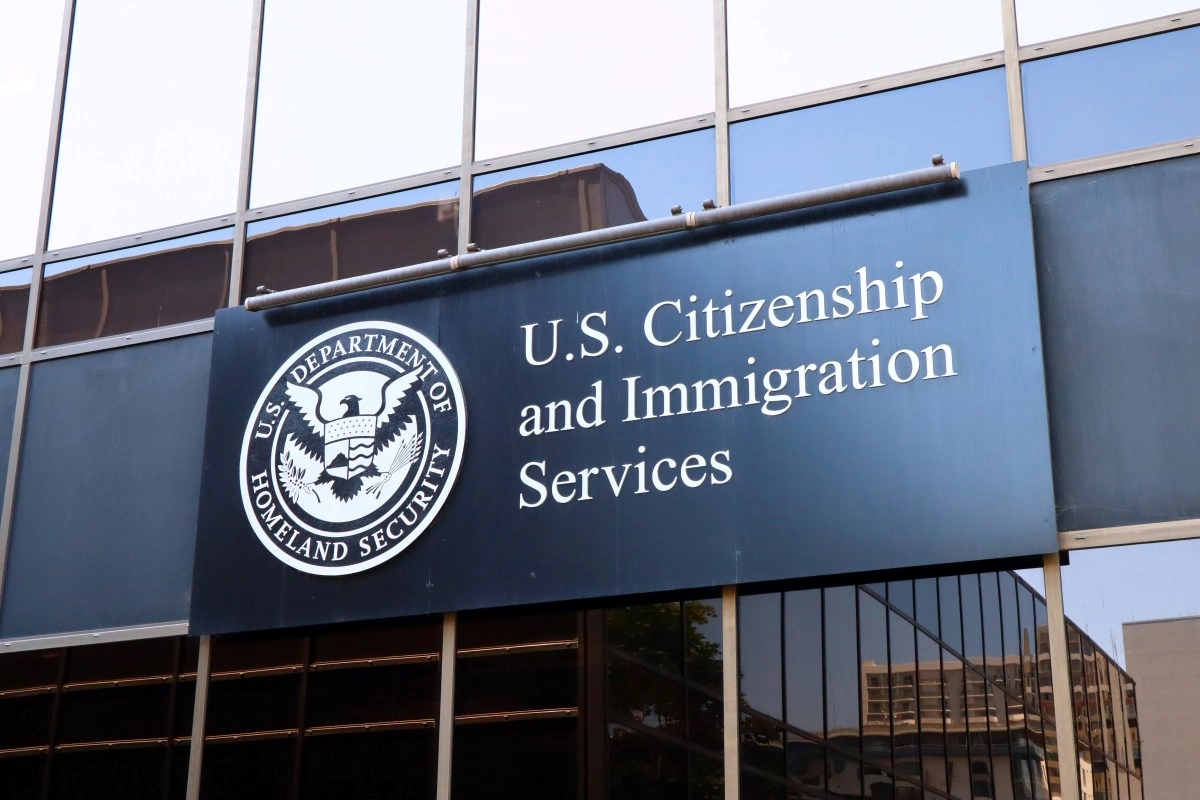

Starting this Tuesday, October 28, the U.S. Citizenship and Immigration Services (USCIS) will only accept payments for immigration procedures made by credit or debit card, or directly from your bank account.
Therefore, cash payments, personal and cashier's checks, as well as money orders will no longer be accepted.
According to immigration attorney Hector Quiroga, this digital transition could leave thousands of immigrants without options, especially those who do not have access to the banking system.
“The change seeks efficiency and transparency, but it also introduces a new barrier for thousands of people who do not have access to the formal financial system. We must remember that a large part of the immigrant population depends on cash or intermediaries to comply with their immigration obligations, and this change can complicate their legal process if they do not prepare in time,” said attorney Quiroga.
According to data from the Pew Research Center, one in five immigrants in the United States lacks a bank account, which means that many applicants will not be able to pay directly for procedures such as permanent residency, citizenship, or family-based petitions, unless they resort to third parties or prepaid cards.
USCIS reported in a statement that this measure aligns with Executive Order 14247, Modernizing Payments to and from Bank Accounts in the United States United States, and aims to reduce the time and manpower needed to process checks and money orders, as well as the risks of fraud, lost payments, and theft.
“We have a responsibility to the American people to operate as efficiently and securely as possible,” said USCIS spokesman Matthew J. Tragesser.
“More than 90% of our payments come from checks and money orders, which causes processing delays and increases the risk of fraud and lost payments. America deserves better, and we intend to deliver.”
But according to attorney Quiroga,The complete elimination of checks and money orders could increase the risk of abuse by unauthorized intermediaries, who often offer assistance in exchange for excessive fees or misuse banking information.
“This transition requires immigrants to be more careful with whom they share their information. That is why I insist that all processes be managed directly through government portals or with certified professional advice, where security and transparency are guaranteed. Any other route can open the door to fraud or unnecessary delays,” attorney Quiroga pointed out.
Among the operational changes, USCIS specified that only payments will be accepted via forms G-1450 (credit or debit cards) and G-1650 (ACH debits).
Transactions made with checks or money orders after October 28 will be returned without processing, which may affect legal deadlines or the validity of immigration status.
“In communities For those living in rural areas, with low incomes, or with limited access to technology, the new procedure may present an additional obstacle. “Not all immigrants have access to the internet, digital devices, or verified bank accounts in the United States,” noted attorney Quiroga. Other risks include: payments rejected for insufficient funds, errors in banking information, or system outages, which can result in the entire application being returned. In these cases, the responsibility falls on the applicant, so it is recommended to keep electronic receipts and verify that the payment was processed correctly. “In practice, a simple error in the account number can mean weeks or months of delay in the immigration process,” added the advocate. Juan Jose Gutierrez, leader of the Full Rights for Immigrants Coalition, said that given the current anti-immigrant climate, the new USCIS executive order puts immigrants in a serious predicament. “They will be afraid to use their bank cards, and that they might think USCIS could use their banking information to locate them if their case fails; and then they'll ask their lawyer or service provider to pay on their behalf, and they'll give them the money in cash in return.”
He added that this puts immigrants at risk of fraud if the service provider is unscrupulous and unethical.
“When you pay an individual in cash, there's no record of what you gave. So it's the opposite of what USCIS says they've implemented to prevent fraud.”
He pointed out that lawyers can deposit the money into an IOLTA account, which no one can touch and is authorized exclusively for advocates,But 99% of migration service providers do not have access to that account.