

Who will receive $2,000 from Social Security on April 3
Social Security will pay some of its beneficiaries on April 3. Some people will receive close to $2,000 depending on their history and type of assistance
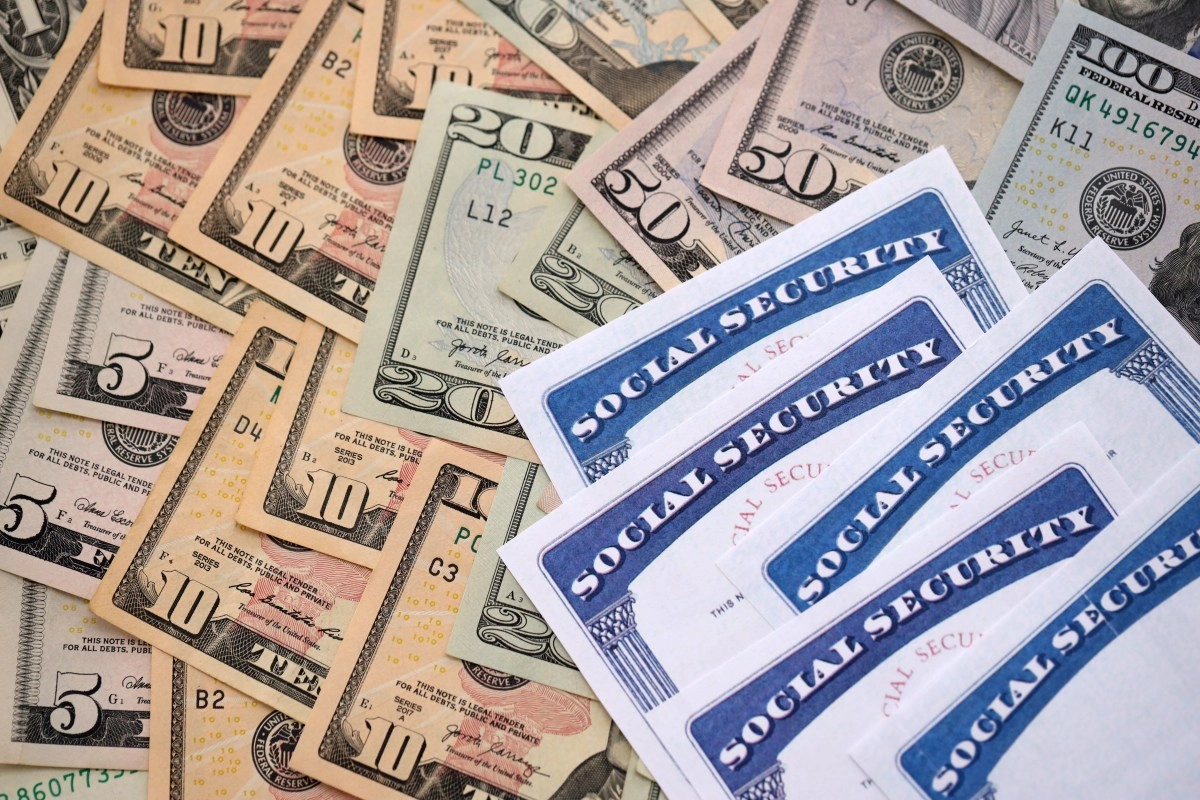

Thousands of Social Security beneficiaries in the United States should mark an important date on their calendars: April 3. On that day, a new round of monthly payments will be issued, and while not everyone will receive exactly the same amount, many could see deposits close to $2,000, depending on their work history and type of benefit. According to the Social Security Administration (SSA) schedule, this payment is primarily directed to two groups. The first includes those who began receiving benefits before May 1997. These individuals are part of the traditional payment system, which distributes money at the beginning of each month. The second group consists of beneficiaries who receive both Social Security and the Supplemental Security Income (SSI) program. The latter is intended for people with limited income and is paid separately. For April, SSI was deposited on the 1st, with an average amount of $735.91. This means that those who receive both benefits can expect higher combined incomes during the month, which explains why some total payments approach or exceed $2,000. According to recent SSA data, the average monthly Social Security benefit varies depending on the type of beneficiary. Retired workers receive around $2,076, while people with disabilities receive about $1,633. Survivors receive approximately $1,623. While not everyone reaches $2,000, this amount serves as a reference point to understand how much those who had higher incomes during their working lives or meet certain requirements can receive. For all other beneficiaries, payments are distributed throughout the month according to their date of birth. This system allows for the organization of deposits for millions of people and prevents payment delays. The April calendar is organized as follows:
Regarding how to receive the money,The SSA distributes benefits in two ways. The most common is direct deposit to a bank account, which can be set up online. The Direct Express card is also available, an alternative for those without a bank account who prefer to receive their benefits via debit.