

Supreme Court blocks nitrogen gas execution, rejects Alabama appeal
The highest court rejected a state appeal and suspended the execution of a prisoner who questions the method
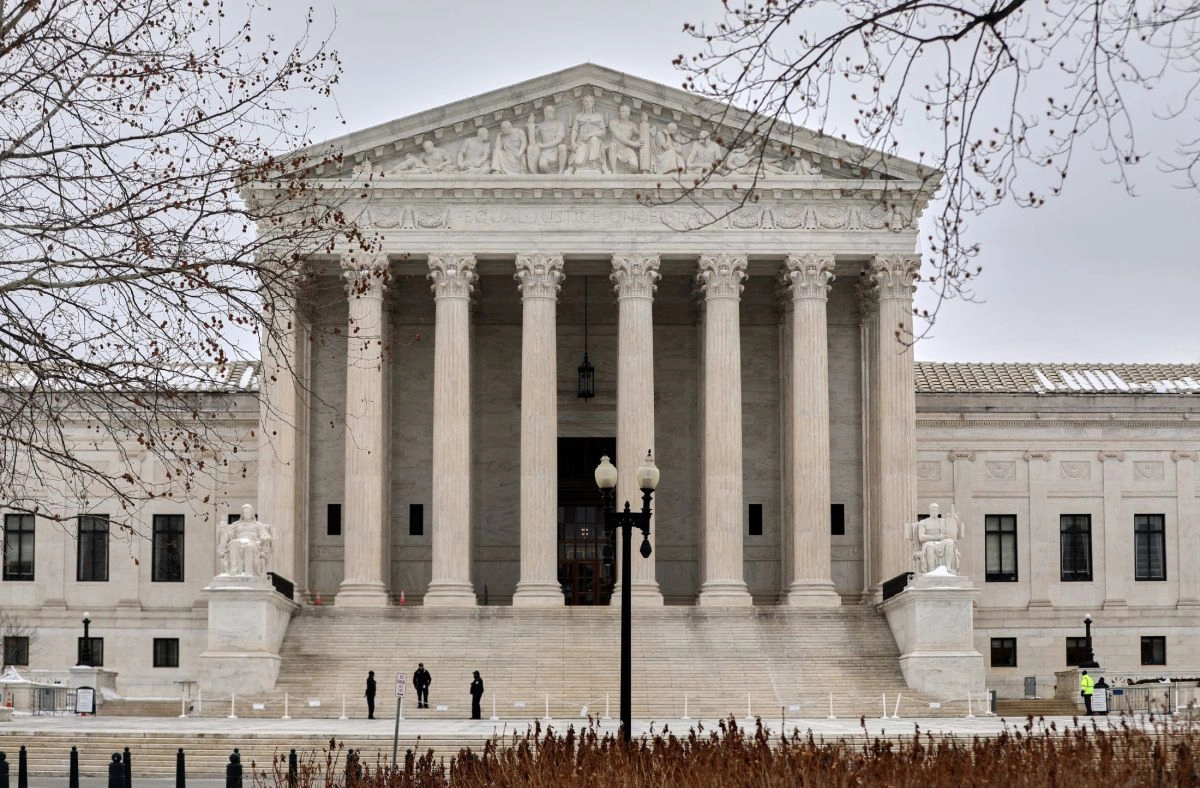

The Supreme Court rejected a request by Alabama to immediately revive the execution of a death row inmate using nitrogen gas, a decision that represents a new obstacle for the state in defending one of the most controversial execution methods in the country.
According to court documents reviewed by NPR, the high court issued a brief order saying that Alabama's request had been denied. Although the resolution did not include a detailed explanation, it emerged that Justices Clarence Thomas, Samuel Alito and Neil Gorsuch would have supported the state's position.
The decision temporarily benefits Jeffery Lee, convicted of a double homicide that occurred in 1998 and whose execution was scheduled for July 11.
Debate on the constitutionality of the method
The case revolves around the use of nitrogen gas as an execution mechanism. Lee's lawyers argue that the procedure violates the Eighth Amendment of the US Constitution, which prohibits cruel and unusual punishment.
Earlier this week, a federal appeals court concluded that the protocol used by Alabama could pose a “substantial risk of serious harm” and cause suffering exceeding that inherent in death itself.
The ruling contrasted with an initial decision by a lower court that had upheld the execution.
Controversy grows over nitrogen executions
Debate over this method has intensified since Alabama performed the first execution with nitrogen gas in 2024. Since then, eight such procedures have been carried out in the country, seven of them in Alabama.
Journalists, observers and human rights organizations have reported that some inmates showed convulsive movements and other signs of suffering during the executions.
Judge Sonia Sotomayor had already warned in a previous opinion that asphyxiation can represent “intense psychological torment.” Likewise, a group of doctors presented documents to the Court stating that, in their opinion, the method causes “inhuman suffering.”
While the legal battle continues, Lee's execution will remain on hold. However, the convicted man still faces the death penalty and the case could return to court again in the coming months.