

People who consume high-fat cheese and cream run a lower risk of dementia
The fermentation process of cheese generates beneficial bioactive compounds, unlike milk
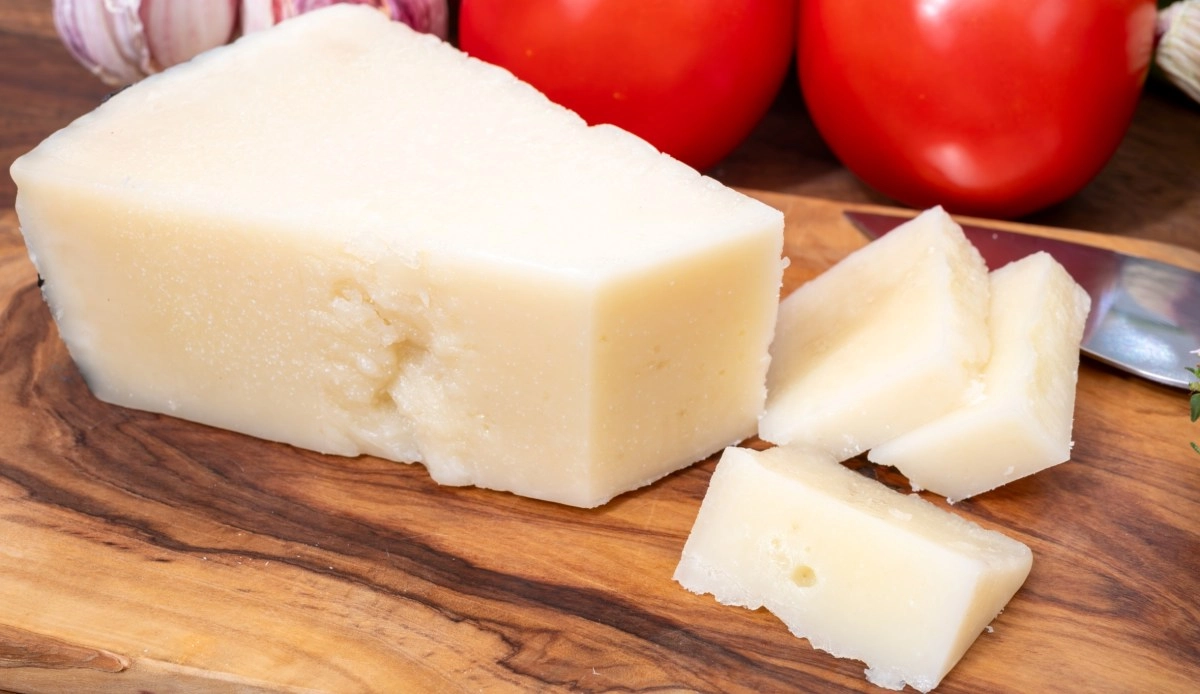

A Swedish study has found that regular consumption of high-fat cheese and cream is associated with a lower risk of developing dementia. The research, which spanned a 25-year period and nearly 28,000 participants, reveals that those who consumed 50 grams or more of full-fat cheese daily had a significantly reduced risk of dementia. The research, published in Neurology Journals, establishes that only full-fat dairy products, specifically cheese and cream, show benefits, while low-fat products and milk do not present a clear association with a reduced risk of dementia. Professor Emily Sonestedt, an associate at Lund University and lead author of the study, explains that the fermentation process of cheese generates beneficial bioactive compounds, unlike milk, whose intake varies more and does not follow the same process. Furthermore, Dr. Richard Isaacson, a neurologist specializing in dementia prevention at the Institute of Neurodegenerative Diseases, told ABC News that the quality of dairy products depends on the cattle's diet. cattle.
“Not all cheeses are created equal. What a cow eats determines the milk's contents, and that determines the cheese's contents,” he stated.
Dairy from grass-fed cows may contain more omega-3 fatty acids, which are beneficial for brain health.
Personalized Dietary Recommendations
The study suggests that dietary recommendations should be personalized, especially for people who carry the APOE ε4 gene variant, who did not benefit from consuming dairy.
Isaacson cautions about sensitivity to saturated fats in this population.
Precautions
Although the results are promising, the study authors caution against making drastic dietary changes based solely on these findings.
Moderate consumption of cheese and cream is recommended in the daily diet.
Fermentation of Dairy Products
The fermentation of dairy products such as yogurt, Kefir, and cheeses generates probiotics and bioactive compounds that benefit brain health by modulating the gut microbiota and the gut-brain axis.These processes improve cognitive function, reduce neuroinflammation, and may prevent cognitive decline.
Consumption of fermented dairy products is associated with improved mental processing speed and a lower risk of neurodegenerative disorders such as Alzheimer's, thanks to antioxidant peptides and B vitamins produced during fermentation. Probiotics modulate brain activity, alleviating symptoms of anxiety and depression by reducing inflammation and improving neuronal communication.
During fermentation, bacteria such as lactobacilli break down milk proteins into bioactive peptides that cross the blood-brain barrier, protecting neurons and promoting neurogenesis.
Daily intake of these products improves cognitive function in older adults and people with mild cognitive impairment.