

Revolutionary advance in the diagnosis of prostate cancer: new urine test improves patient follow-up
Results suggest that the MyProstateScore 2.0 - Active Surveillance (MPS2-AS) test could have prevented up to 64% of invasive biopsies
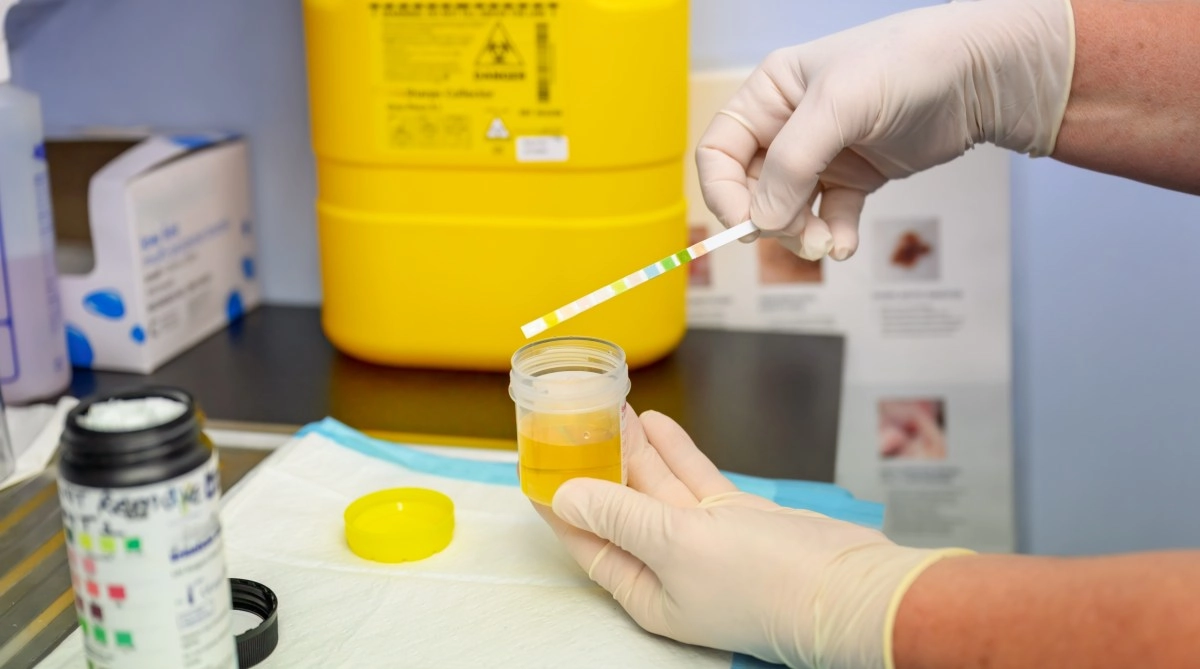

A recent study, published in The Journal of Urology, has revealed that the MyProstateScore 2.0 – Active Surveillance (MPS2-AS) test outperforms traditional methods in the evaluation of men with low-risk prostate cancer.
The results suggest that this test could have prevented up to 64% of invasive biopsies, allowing the timely detection of higher grade tumors that need immediate treatment.
The test demonstrated a 97% prediction rate for detecting high-grade cancer in patients initially diagnosed with Grade 1 cancer.
Benefits of a non-invasive approach
This advancement provides doctors with a more accurate and less invasive option to determine which patients need biopsies, improving the quality of life for thousands.
The team led by Dr. Jeffrey Tosoian plans to explore further applications of MPS2-AS in detecting cancer recurrences, transforming patient care in urology.
Patients with a family history of prostate cancer
Patients with a family history of prostate cancer should be aware that this history increases their risk and that the decision to be screened should be individualized with their doctor.
When to think about starting earlier
You may also be interested in:
· When should you have a mammogram? The importance of considering individual risk How you can verify health and wellness claims that proliferate on social media Sleep apps: hidden benefits and risks