

Sleeping apps: hidden benefits and risks
Concerns about sleep are more common among those with lower educational levels and a history of insomnia
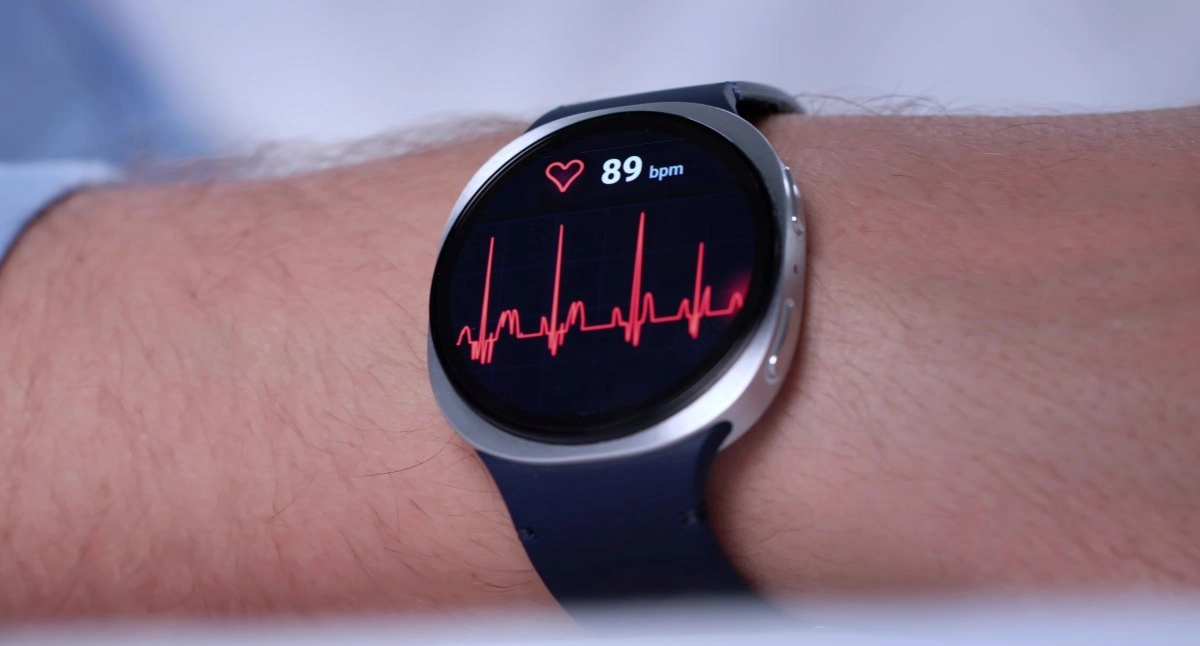

Recent research has shown that, although sleep monitoring apps promise to improve the quality of rest, they may also contribute to the increase of anxiety in certain users. This phenomenon has been identified particularly among vulnerable subgroups, warns a study published in Frontiers in Psychology.
The problem is that these applications use wearable sensors and algorithms to analyze physiological signs, generating information about the quality and efficiency of sleep. But, at the same time, this data collection can cause concern if the results do not align with the user's expectations, contributing to conditions such as orthosomnia.
Demographic differences in interpretation
Research has found that users, especially women and young people, tend to react differently to the results.
Concerns about sleep are more common among those with lower educational levels and a history of insomnia.
Analysis of a study on sleep apps
In a study with 1,002 adults in Norway, approximately 46% reported using sleep apps. Although the positive effects they outweigh the negatives, 17.8% of those respondents reported greater concern about their sleep after using these apps.
The findings suggest that younger adults experience a significant impact on their perception of sleep, both positive and negative, compared to older adults, who are less likely to use these technologies.
Data Considerations
The study recognizes several limitations, such as the risk of bias in participant selection and lack of formal validation in questionnaire questions. More required nresearch to understand the relationship between app use and long-term mental health, as well as the potential of the data obtained for assessing sleep disorders.
The authors warn about the need to customize apps for users with sleep disorders, suggesting that patients with these problems should be cautious when using them.
Affectation in people with pre-existing disorders
The use of sleep apps may have mixed effects in people with pre-existing sleep disorders, such as insomnia: in some cases they help improve awareness and habits, but in others they worsen anxiety and quality of rest.
Negative effects on pre-existing disorders
· Why do we feel tingling in the extremities? Sleeping just 11 minutes per night can reduce the risk of heart problems Sleeping postures say a lot: the connection between sleep, personality,and health