

Soybean oil: healthy or unfairly demonized?
Soybean oil is, along with palm oil, one of the most produced and used oils in the world. It is present in fried foods, ultra-processed foods and dressings.
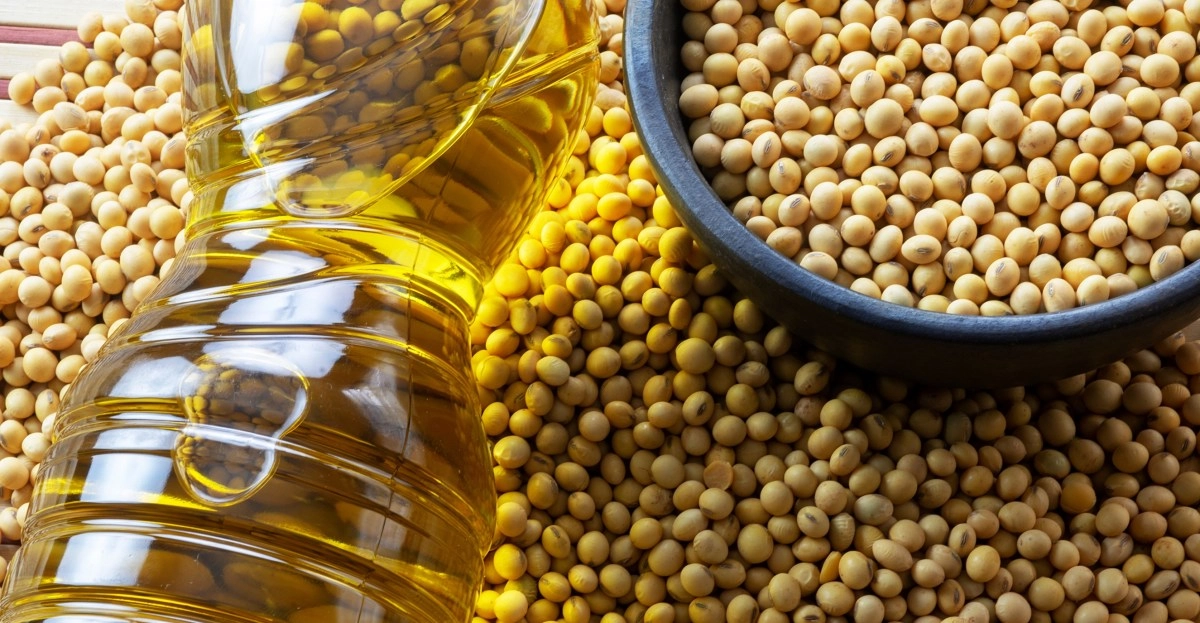

In recent years, soybean oil has become one of the protagonists of a debate that divides nutritionists, wellness influencers and ordinary consumers: is it an ingredient that should be banished from the kitchen or a healthy fat that is the victim of a smear campaign? The answer, as is often the case in nutrition, is not absolute.
Soybean oil is, along with palm oil, one of the most produced and used oils in the world. It is present in fried foods, ultra-processed foods, dressings and in livestock feed. Its popularity is explained by its low cost, its neutrality of flavor and its high agricultural yield, not necessarily because it is the healthiest option on the market.
Nutritionally, it is an oil rich in polyunsaturated fats—mainly linoleic acid (omega-6) and, to a lesser extent, alpha-linolenic acid (omega-3)—as well as vitamin E. Its profile distinguishes it from saturated fats such as butter or coconut oil.
Pros: reduces “bad” cholesterol
The most solid and least discussed scientific evidence supports a specific point: when soybean oil replaces saturated fats in the diet, it helps reduce LDL cholesterol, the so-called “bad cholesterol,” one of the main cardiovascular risk factors.
A review that combined several studies found that replacing 5% of daily calories from saturated fat with polyunsaturated fat was associated with about a 10% decrease in the risk of heart disease.
This evidence is so consistent that the United States health authority allows manufacturers to include a health claim on the label: consuming approximately 1.5 tablespoons of soybean oil per day, replacing saturated fat, can help reduce the risk of coronary heart disease.
Specialists from the Harvard School of Public Health have come out publicly to deny the idea that seed oils—soybean, canola, sunflower—are “toxic.” As they explained, a good part of the bad reputation of these oils comes from the fact that they are usually found in ultra-processed foods, rich in sodium, sugar and refined carbohydrates. The problem, they point out, is not the oil itself, but the type of food that contains it and the frequency with which it is consumed.
Against: What worries critics
On the other hand, there are signs that fuel mistrust towards this oil:
Research on the hypothalamus. Studies in animal models, carried out by a team at the University of California at Riverside, found that diets very high in soybean oil altered the expression of certain genes in the hypothalamus, the brain region that regulates body weight, temperature and reproductive functions. These findings, while striking, come from mice fed amounts much higher than those in an average human diet, so their direct translation to people is not yet confirmed.
Excess omega-6 versus omega-3. Some specialists question whether the modern Western diet, saturated with vegetable oils, has unbalanced the proportion between omega-6 and omega-3 fatty acids, which in theory could favor inflammatory processes. However, the scientific community does not have a consensus on whether this imbalance is actually harmful when omega-6 comes from sources such as soybean oil.
The ghost of trans fats. For decades, partially hydrogenated soybean oil was a major source of artificial trans fats, now widely recognized as harmful to cardiovascular health. That history left a mark on public perception, although most soybean oil sold today is refined, not hydrogenated, and therefore free of trans fats.
The smoke point and repeated frying. Like any oil rich in polyunsaturated fats, soybean oil is more sensitive to oxidation when it is repeatedly heated at high temperatures, as occurs in continuous use fryers. This process can generate potentially harmful compounds such as aldehydes and acrolein. The risk, experts clarify, is in misuse—reusing the oil many times at extreme temperatures—not in cooking with it regularly at home.
Demonized or rightly questioned?
The evidence available today suggests a middle ground. Soybean oil is not the poison that certain sectors of social media portray, but it is also not a functional food that should be consumed without limits. As with almost any fat, the key is:
Alternating it with other oils, such as olive oil, and prioritizing a diet with plenty of fresh foods, seems to be the advice most supported by current evidence, beyond the “healthy” or “toxic” labels that circulate in public debate.