

European countries are urged to update their strategies on sexually transmitted infections: they are obsolete
Between 2014 and 2023 there has been a 300% increase in gonorrhea, a 90% increase in syphilis and a 180% increase in chlamydia in the old continent
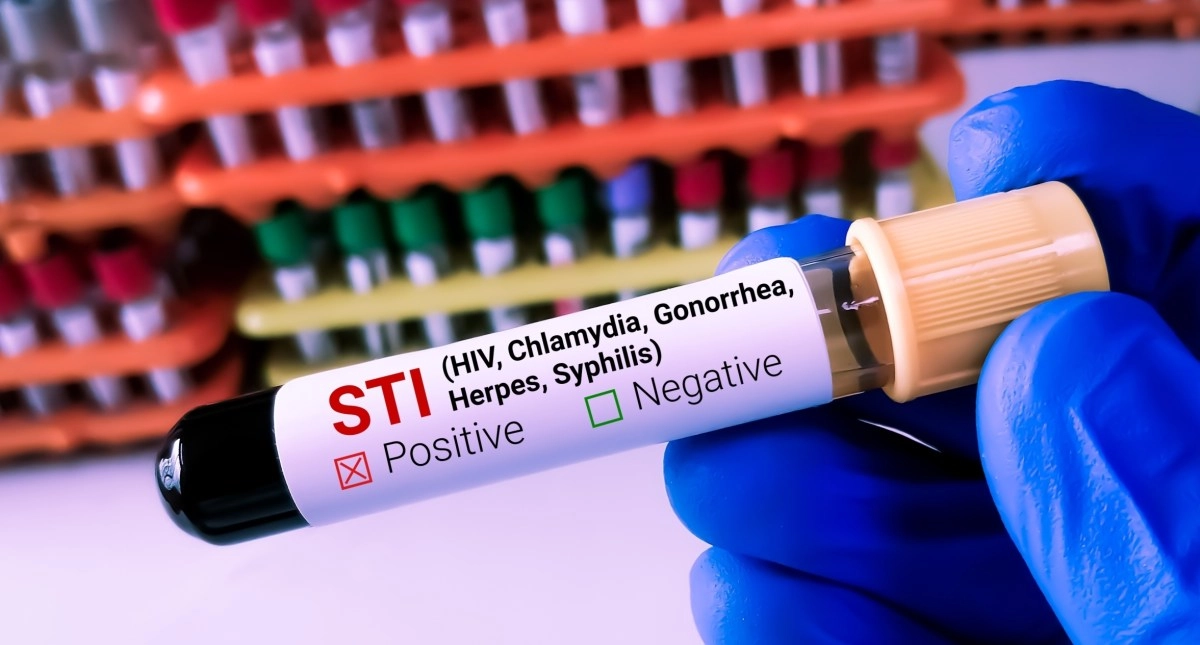

A recent study reveals a significant increase in cases of sexually transmitted infections (STIs) in Europe between 2014 and 2023, showing an increase of 300% for gonorrhea, 90% for syphilis, and 180% for chlamydia, particularly among gay and bisexual men. A 200% increase in gonorrhea among young women is also noteworthy. Although 18 of the 29 EU/EEA countries have national strategies for STI control, only 34% have been updated in the last five years. This highlights the lack of adaptation to changes in behavior patterns following the COVID-19 pandemic. The report notes that out-of-pocket costs for STI testing persist in 13 countries, while seven require parental consent for those under 18 to access testing, which could discourage adolescents from seeking care and prevention. Need for improved surveillance data: The European Centre for Disease Prevention and Control (ECDC) highlights the lack of data on STI prevention and treatment, with few countries providing information on testing in pregnant women. Countries are urged to strengthen data collection to improve control and prevention efforts.
It concludes that it is imperative for nations to update their public health policies to address the growing STI epidemics, removing barriers to detection and improving epidemiological surveillance.
Reasons for the rise in STIs
The increase in sexually transmitted infections (STIs) in Europe since 2014 is mainly due to a combination of factors related to sexual behaviors, the availability of testing, and access to healthcare.
Role of social media in the spread of STIs
Social media and dating apps facilitate quick and anonymous encounters among young people, which can increase the spread of sexually transmitted infections (STIs) by promoting risky sexual behaviors without sufficient protection.
Studies show a high prevalence of use of these platforms among adolescents, associated with low knowledge about STIs such as HIV, negative attitudes, and practices such as unprotected sex with casual partners. Furthermore, easy access to unknown contacts increases risks such as grooming or impulsive encounters.
Role of social media. Social media exposes young people to content that normalizes risky behaviors, such as casual sex or exposure to pornography, encouraging interactions with strangers that lead to unprotected physical relationships. Intensive use correlates with a higher probability of substance abuse and risky sexual behaviors among adolescents. This is exacerbated by the difficulty in distinguishing between public and private life, which fosters stress and impulsive decisions.
Impact of dating apps. Apps like Tinder or Bumble accelerate transitions from chats to face-to-face encounters, reducing the time to discuss protection and increasing unprotected sex or sex with multiple partners. Users report a higher incidence of STIs from casual partners compared to non-users, along with risks such as sexual abuse. Compulsive swiping generates emotional exhaustion, but prioritizes quantity over quality in relationships, facilitating viral spread.