

“Deportations instill widespread fear,” accuses leader of the Conference of Catholic Bishops
“People have the right to live safely and without fear of arbitrary deportations,” Coakley declared on CBS News' “Face the Nation”
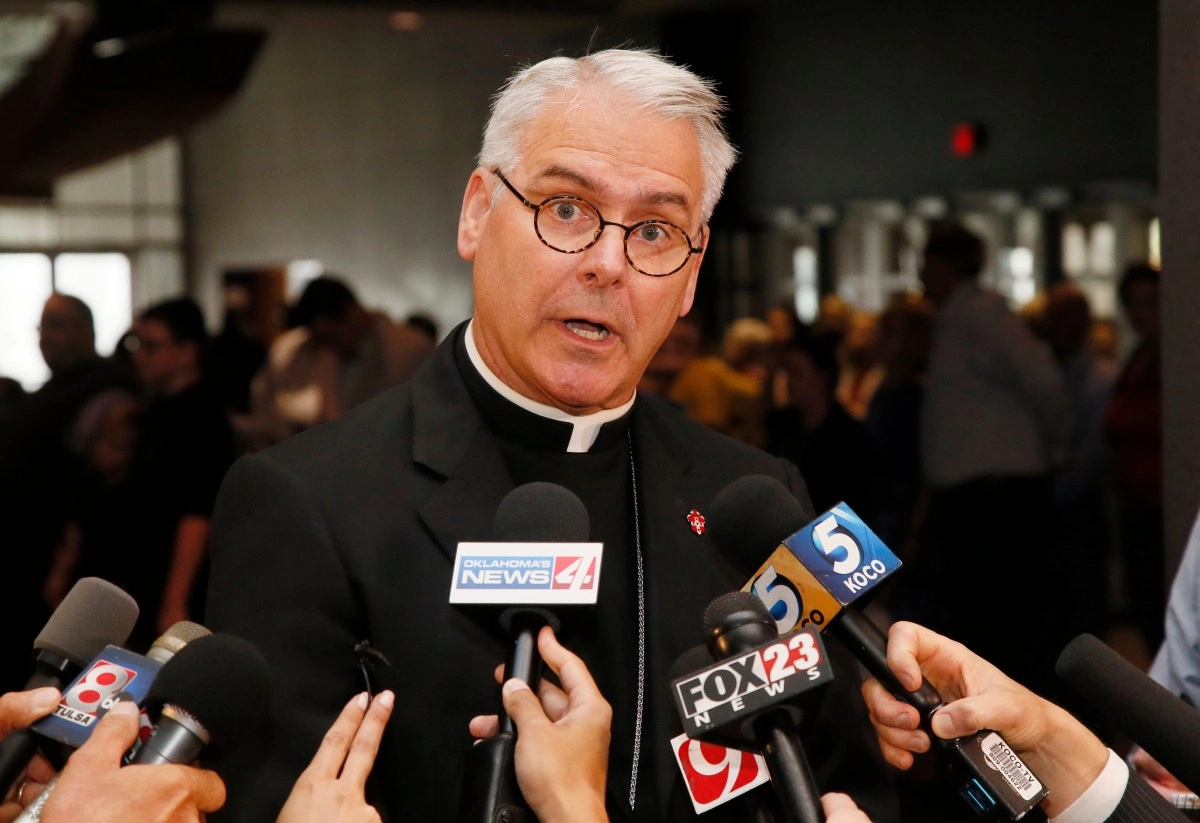

The president of the United States Conference of Catholic Bishops (USCCB), Paul Coakley, launched a harsh critique against President Donald Trump's immigration policy, warning that the mass deportations driven by his administration They are “instilling fear” among the country's immigrant communities, a situation that, he said, contradicts both the Church's social doctrine and the founding values ??of the United States. "As I said, it's instilling fear quite widely. So I think it's something that concerns all of us: that people have the right to live safely and without fear of arbitrary deportations," Coakley told host Margaret Brennan on CBS News' “Face the Nation.” The Archbishop of Oklahoma City maintained that the current administration's immigration control strategy has generated a climate of constant anxiety and fear, particularly among families who have lived in the country for years, Coakley stated, emphasizing that due process must be respected without exception. “A climate of fear and anxiety.” The Catholic leader's statements come amid a tightening of federal actions against irregular immigration. The Department of Homeland Security (DHS) reported that, since the beginning of Trump's new term, more than 527,000 undocumented immigrants have been deported, while approximately 1.6 million have left voluntarily since January 20 of this year. For the USCCB, these figures cannot be separated from the human impact of current policies. Last month, the episcopal body issued an unusual statement expressing its “disturbance” at the climate of fear generated by official rhetoric and practices that, in its view, lead to racial profiling and arbitrary detentions. The bishops also denounced the conditions in detention centers and the lack of access to pastoral care for detained immigrants.
The Church and Trump's Politics
Coakley, considered an outspoken critic of Trump, insisted that the Church is not opposed to the existence of borders or their protection. However,he questioned the administration's treatment of migrants—including those who have lived in the United States for decades—in a way he described as "troubling" and dehumanizing. "We must always treat people with dignity, the dignity that God bestows upon us. The state does not grant it, and the state cannot take it away," he asserted. Pope Leo XIV recently endorsed this stance, calling the message from the US bishops "very important," although he acknowledged that the immigration system faces structural problems. Even so, the pontiff made it clear that he does not endorse policies that generate fear or indiscriminately punish entire communities. Coakley, who has been consistent in his advocacy for migrants, was elected president of the USCCB last November after defeating Bishop Daniel Flores of Brownsville, Texas, in three rounds of voting. Flores was considered the other frontrunner for the position but was ultimately elected vice president. Just days after the taking of During Trump's inauguration, Coakley recalled that Jesus was a refugee and urged Catholics to reflect on the moral impact of "mass deportations." As the White House intensifies operations in cities like Los Angeles, Washington, and Charlotte, the voice of the Catholic Church is emerging as one of the strongest critics of Trump's immigration policy, insisting that national security cannot be achieved at the cost of fear or human dignity. He was elected last November as president of the USCCB after defeating Bishop Daniel Flores of Brownsville, Texas, in three rounds of voting. Flores was considered the other frontrunner for the position but was ultimately elected vice president. Just days after Trump's inauguration, Coakley recalled that Jesus was a refugee and urged Catholics to reflect on the moral impact of "mass deportations." As the White House intensifies operations in cities like Los Angeles, Washington, and Charlotte, the voice of the Catholic Church is emerging as one of the strongest critics of Trump's immigration policy, insisting that national security cannot be achieved at the cost of fear or human dignity. He was elected last November as president of the USCCB after defeating Bishop Daniel Flores of Brownsville, Texas, in three rounds of voting. Flores was considered the other frontrunner for the position but was ultimately elected vice president. Just days after Trump's inauguration, Coakley recalled that Jesus was a refugee and urged Catholics to reflect on the moral impact of "mass deportations." As the White House intensifies operations in cities like Los Angeles, Washington, and Charlotte, the voice of the Catholic Church is emerging as one of the strongest critics of Trump's immigration policy, insisting that national security cannot be achieved at the cost of fear or human dignity."We must always treat people with dignity, the dignity that God bestows upon us. The state does not grant it, and the state cannot take it away," he asserted. Pope Leo XIV recently endorsed this stance, calling the message from the US bishops "very important," although he acknowledged that the immigration system faces structural problems. Even so, the pontiff made it clear that he does not endorse policies that generate fear or indiscriminately punish entire communities. Coakley, who has been consistent in his advocacy for migrants, was elected president of the USCCB last November after defeating Bishop Daniel Flores of Brownsville, Texas, in three rounds of voting. Flores was considered the other frontrunner for the position but was ultimately elected vice president. Just days after the taking of During Trump's inauguration, Coakley recalled that Jesus was a refugee and urged Catholics to reflect on the moral impact of "mass deportations." As the White House intensifies operations in cities like Los Angeles, Washington, and Charlotte, the voice of the Catholic Church is emerging as one of the strongest critics of Trump's immigration policy, insisting that national security cannot be achieved at the cost of fear or human dignity. He was elected last November as president of the USCCB after defeating Bishop Daniel Flores of Brownsville, Texas, in three rounds of voting. Flores was considered the other frontrunner for the position but was ultimately elected vice president. Just days after Trump's inauguration, Coakley recalled that Jesus was a refugee and urged Catholics to reflect on the moral impact of "mass deportations." As the White House intensifies operations in cities like Los Angeles, Washington, and Charlotte, the voice of the Catholic Church is emerging as one of the strongest critics of Trump's immigration policy, insisting that national security cannot be achieved at the cost of fear or human dignity. He was elected last November as president of the USCCB after defeating Bishop Daniel Flores of Brownsville, Texas, in three rounds of voting. Flores was considered the other frontrunner for the position but was ultimately elected vice president. Just days after Trump's inauguration, Coakley recalled that Jesus was a refugee and urged Catholics to reflect on the moral impact of "mass deportations." As the White House intensifies operations in cities like Los Angeles, Washington, and Charlotte, the voice of the Catholic Church is emerging as one of the strongest critics of Trump's immigration policy, insisting that national security cannot be achieved at the cost of fear or human dignity."We must always treat people with dignity, the dignity that God bestows upon us. The state does not grant it, and the state cannot take it away," he asserted. Pope Leo XIV recently endorsed this stance, calling the message from the US bishops "very important," although he acknowledged that the immigration system faces structural problems. Even so, the pontiff made it clear that he does not endorse policies that generate fear or indiscriminately punish entire communities. Coakley, who has been consistent in his advocacy for migrants, was elected president of the USCCB last November after defeating Bishop Daniel Flores of Brownsville, Texas, in three rounds of voting. Flores was considered the other frontrunner for the position but was ultimately elected vice president. Just days after the taking of During Trump's inauguration, Coakley recalled that Jesus was a refugee and urged Catholics to reflect on the moral impact of "mass deportations." As the White House intensifies operations in cities like Los Angeles, Washington, and Charlotte, the voice of the Catholic Church is emerging as one of the strongest critics of Trump's immigration policy, insisting that national security cannot be achieved at the cost of fear or human dignity. He was elected last November as president of the USCCB after defeating Bishop Daniel Flores of Brownsville, Texas, in three rounds of voting. Flores was considered the other frontrunner for the position but was ultimately elected vice president. Just days after Trump's inauguration, Coakley recalled that Jesus was a refugee and urged Catholics to reflect on the moral impact of "mass deportations." As the White House intensifies operations in cities like Los Angeles, Washington, and Charlotte, the voice of the Catholic Church is emerging as one of the strongest critics of Trump's immigration policy, insisting that national security cannot be achieved at the cost of fear or human dignity. He was elected last November as president of the USCCB after defeating Bishop Daniel Flores of Brownsville, Texas, in three rounds of voting. Flores was considered the other frontrunner for the position but was ultimately elected vice president. Just days after Trump's inauguration, Coakley recalled that Jesus was a refugee and urged Catholics to reflect on the moral impact of "mass deportations." As the White House intensifies operations in cities like Los Angeles, Washington, and Charlotte, the voice of the Catholic Church is emerging as one of the strongest critics of Trump's immigration policy, insisting that national security cannot be achieved at the cost of fear or human dignity.bishops "very important," although he has acknowledged that the immigration system faces structural problems. Even so, the pontiff made it clear that he does not endorse policies that generate fear or indiscriminately punish entire communities. Coakley, who has been consistent in his advocacy for migrants, was elected president of the USCCB last November after defeating Bishop Daniel Flores of Brownsville, Texas, in three rounds of voting. Flores was considered the other frontrunner for the position but was ultimately elected vice president. Just days after the taking of During Trump's inauguration, Coakley recalled that Jesus was a refugee and urged Catholics to reflect on the moral impact of "mass deportations." As the White House intensifies operations in cities like Los Angeles, Washington, and Charlotte, the voice of the Catholic Church is emerging as one of the strongest critics of Trump's immigration policy, insisting that national security cannot be achieved at the cost of fear or human dignity. He was elected last November as president of the USCCB after defeating Bishop Daniel Flores of Brownsville, Texas, in three rounds of voting. Flores was considered the other frontrunner for the position but was ultimately elected vice president. Just days after Trump's inauguration, Coakley recalled that Jesus was a refugee and urged Catholics to reflect on the moral impact of "mass deportations." As the White House intensifies operations in cities like Los Angeles, Washington, and Charlotte, the voice of the Catholic Church is emerging as one of the strongest critics of Trump's immigration policy, insisting that national security cannot be achieved at the cost of fear or human dignity. He was elected last November as president of the USCCB after defeating Bishop Daniel Flores of Brownsville, Texas, in three rounds of voting. Flores was considered the other frontrunner for the position but was ultimately elected vice president. Just days after Trump's inauguration, Coakley recalled that Jesus was a refugee and urged Catholics to reflect on the moral impact of "mass deportations." As the White House intensifies operations in cities like Los Angeles, Washington, and Charlotte, the voice of the Catholic Church is emerging as one of the strongest critics of Trump's immigration policy, insisting that national security cannot be achieved at the cost of fear or human dignity.bishops "very important," although he has acknowledged that the immigration system faces structural problems. Even so, the pontiff made it clear that he does not endorse policies that generate fear or indiscriminately punish entire communities. Coakley, who has been consistent in his advocacy for migrants, was elected president of the USCCB last November after defeating Bishop Daniel Flores of Brownsville, Texas, in three rounds of voting. Flores was considered the other frontrunner for the position but was ultimately elected vice president. Just days after the taking of During Trump's inauguration, Coakley recalled that Jesus was a refugee and urged Catholics to reflect on the moral impact of "mass deportations." As the White House intensifies operations in cities like Los Angeles, Washington, and Charlotte, the voice of the Catholic Church is emerging as one of the strongest critics of Trump's immigration policy, insisting that national security cannot be achieved at the cost of fear or human dignity. He was elected last November as president of the USCCB after defeating Bishop Daniel Flores of Brownsville, Texas, in three rounds of voting. Flores was considered the other frontrunner for the position but was ultimately elected vice president. Just days after Trump's inauguration, Coakley recalled that Jesus was a refugee and urged Catholics to reflect on the moral impact of "mass deportations." As the White House intensifies operations in cities like Los Angeles, Washington, and Charlotte, the voice of the Catholic Church is emerging as one of the strongest critics of Trump's immigration policy, insisting that national security cannot be achieved at the cost of fear or human dignity. He was elected last November as president of the USCCB after defeating Bishop Daniel Flores of Brownsville, Texas, in three rounds of voting. Flores was considered the other frontrunner for the position but was ultimately elected vice president. Just days after Trump's inauguration, Coakley recalled that Jesus was a refugee and urged Catholics to reflect on the moral impact of "mass deportations." As the White House intensifies operations in cities like Los Angeles, Washington, and Charlotte, the voice of the Catholic Church is emerging as one of the strongest critics of Trump's immigration policy, insisting that national security cannot be achieved at the cost of fear or human dignity.Flores was considered the other frontrunner for the position but was ultimately elected vice president. Just days after the taking of During Trump's inauguration, Coakley recalled that Jesus was a refugee and urged Catholics to reflect on the moral impact of "mass deportations." As the White House intensifies operations in cities like Los Angeles, Washington, and Charlotte, the voice of the Catholic Church is emerging as one of the strongest critics of Trump's immigration policy, insisting that national security cannot be achieved at the cost of fear or human dignity. He was elected last November as president of the USCCB after defeating Bishop Daniel Flores of Brownsville, Texas, in three rounds of voting. Flores was considered the other frontrunner for the position but was ultimately elected vice president. Just days after Trump's inauguration, Coakley recalled that Jesus was a refugee and urged Catholics to reflect on the moral impact of "mass deportations." As the White House intensifies operations in cities like Los Angeles, Washington, and Charlotte, the voice of the Catholic Church is emerging as one of the strongest critics of Trump's immigration policy, insisting that national security cannot be achieved at the cost of fear or human dignity. He was elected last November as president of the USCCB after defeating Bishop Daniel Flores of Brownsville, Texas, in three rounds of voting. Flores was considered the other frontrunner for the position but was ultimately elected vice president. Just days after Trump's inauguration, Coakley recalled that Jesus was a refugee and urged Catholics to reflect on the moral impact of "mass deportations." As the White House intensifies operations in cities like Los Angeles, Washington, and Charlotte, the voice of the Catholic Church is emerging as one of the strongest critics of Trump's immigration policy, insisting that national security cannot be achieved at the cost of fear or human dignity.Flores was considered the other frontrunner for the position but was ultimately elected vice president. Just days after the taking of During Trump's inauguration, Coakley recalled that Jesus was a refugee and urged Catholics to reflect on the moral impact of "mass deportations." As the White House intensifies operations in cities like Los Angeles, Washington, and Charlotte, the voice of the Catholic Church is emerging as one of the strongest critics of Trump's immigration policy, insisting that national security cannot be achieved at the cost of fear or human dignity. He was elected last November as president of the USCCB after defeating Bishop Daniel Flores of Brownsville, Texas, in three rounds of voting. Flores was considered the other frontrunner for the position but was ultimately elected vice president. Just days after Trump's inauguration, Coakley recalled that Jesus was a refugee and urged Catholics to reflect on the moral impact of "mass deportations." As the White House intensifies operations in cities like Los Angeles, Washington, and Charlotte, the voice of the Catholic Church is emerging as one of the strongest critics of Trump's immigration policy, insisting that national security cannot be achieved at the cost of fear or human dignity. He was elected last November as president of the USCCB after defeating Bishop Daniel Flores of Brownsville, Texas, in three rounds of voting. Flores was considered the other frontrunner for the position but was ultimately elected vice president. Just days after Trump's inauguration, Coakley recalled that Jesus was a refugee and urged Catholics to reflect on the moral impact of "mass deportations." As the White House intensifies operations in cities like Los Angeles, Washington, and Charlotte, the voice of the Catholic Church is emerging as one of the strongest critics of Trump's immigration policy, insisting that national security cannot be achieved at the cost of fear or human dignity."As the White House intensifies operations in cities like Los Angeles, Washington, and Charlotte, the voice of the Catholic Church is emerging as one of the strongest critics of Trump's immigration policy, insisting that national security cannot be achieved at the cost of fear or human dignity. He was elected last November as president of the USCCB after defeating Bishop Daniel Flores of Brownsville, Texas, in three rounds of voting. Flores was considered the other frontrunner for the position but was ultimately elected vice president. Just days after Trump's inauguration, Coakley recalled that Jesus was a refugee and urged Catholics to reflect on the moral impact of "mass deportations." As the White House intensifies operations in cities like Los Angeles, Washington, and Charlotte, the voice of the Catholic Church is emerging as one of the strongest critics of Trump's immigration policy, insisting that national security cannot be achieved at the cost of fear or human dignity."As the White House intensifies operations in cities like Los Angeles, Washington, and Charlotte, the voice of the Catholic Church is emerging as one of the strongest critics of Trump's immigration policy, insisting that national security cannot be achieved at the cost of fear or human dignity. He was elected last November as president of the USCCB after defeating Bishop Daniel Flores of Brownsville, Texas, in three rounds of voting. Flores was considered the other frontrunner for the position but was ultimately elected vice president. Just days after Trump's inauguration, Coakley recalled that Jesus was a refugee and urged Catholics to reflect on the moral impact of "mass deportations." As the White House intensifies operations in cities like Los Angeles, Washington, and Charlotte, the voice of the Catholic Church is emerging as one of the strongest critics of Trump's immigration policy, insisting that national security cannot be achieved at the cost of fear or human dignity.