

Rodrigo Paz assumes the presidency of Bolivia
Paz opens a new political and economic cycle in the South American country after 20 years of the left in power
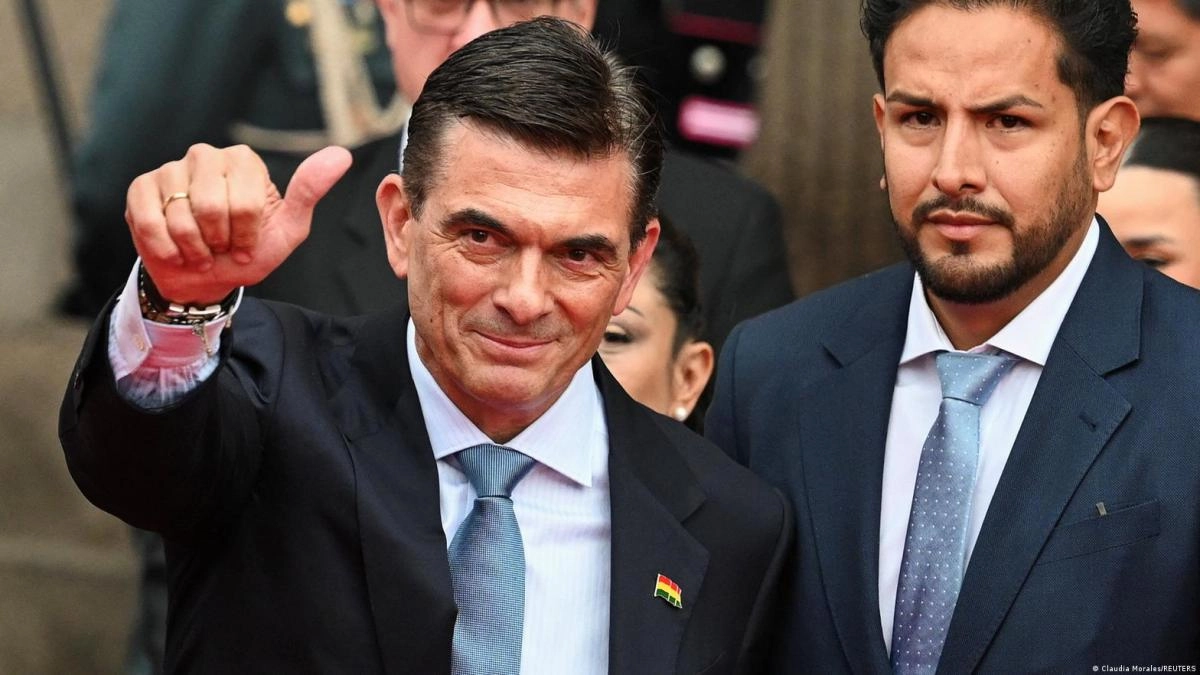

Center-right politician Rodrigo Paz assumed the presidency of Bolivia this Saturday, marking the end of a 20-year cycle of socialist governments amid the country's worst economic crisis in four decades.
The new president, 58, son of former president Jaime Paz (1989-1993), was received with applause at the Bolivian legislative palace, in downtown La Paz, by the assembly Members and international delegations.
A torrential downpour in the heart of the highland city marked the official ceremonies. The Plaza de Armas, where the Government Palace and the Parliament are located, remained under heavy police guard.
“God, family, and country: Yes, I swear!” declared the new president. The oath was administered by his vice president, Edmand Lara, a former police officer.
Paz, after winning the October runoff election with the Christian Democratic Party, inherits a country with a severe economic crisis due to a shortage of dollars and fuel.
The outgoing government of Luis Arce exhausted almost all of its foreign currency reserves to sustain a policy of universal subsidies for gasoline and diesel.
Year-on-year inflation in October was 19%, after reaching a peak of 25% in July. Paz has promised to cut more than half of fuel subsidies and implement a “capitalism for all” program, which focuses on formalizing the economy, eliminating bureaucratic hurdles, and reducing taxes. More than 50 international delegations arrived at the seat of government in Bolivia, 3,600 meters above sea level. Among the main attendees are US Deputy Secretary of State Christopher Landau and Presidents Gabriel Boric (Chile), Javier Milei (Argentina), and Yamandu Orsi (Uruguay), among others.