

WISA Act: bill that seeks to reverse Trump's restrictions on H-1B visas
The project aims to overturn a proclamation signed in 2025 that established stricter rules for this visa program
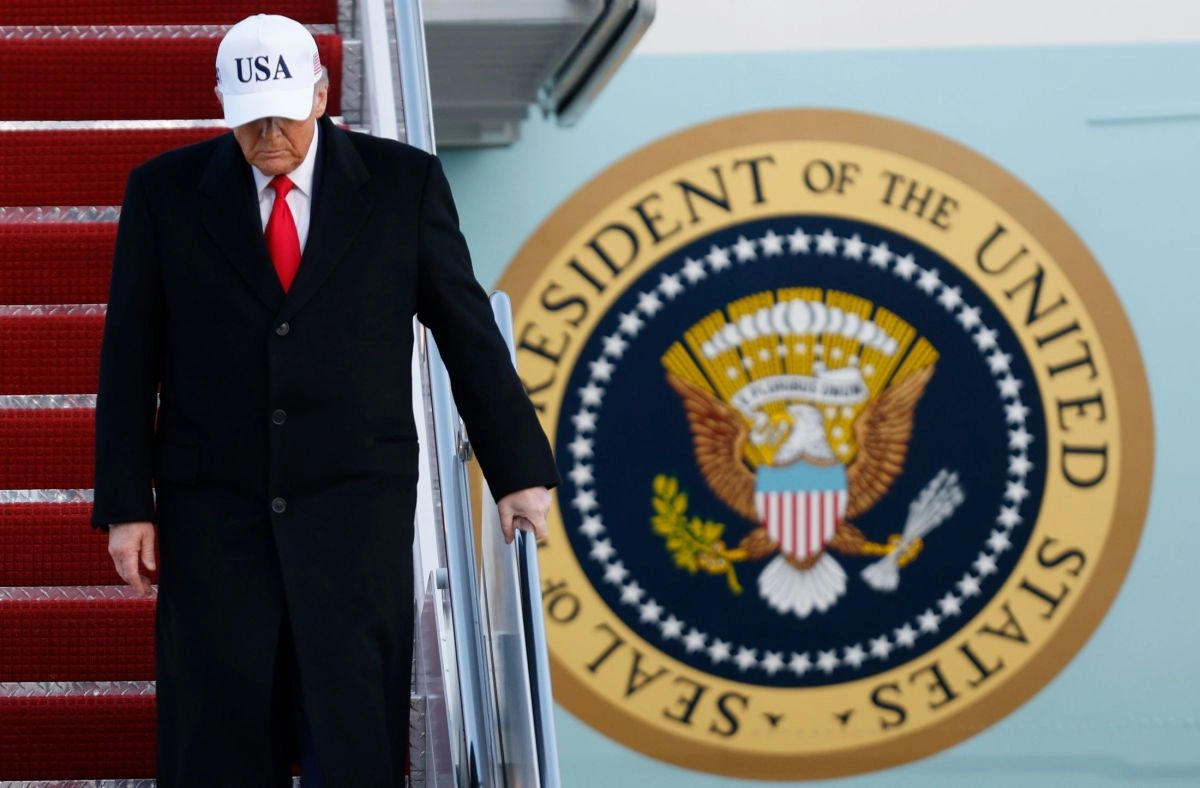

A new bill introduced in the House of Representatives seeks to reverse restrictions imposed on the H-1B visa work program, a key pathway for highly skilled foreign professionals to work temporarily in the country.
The initiative, known as the Welcome to International Success Act (WISA), was introduced by Democratic Congresswoman Bonnie Watson Coleman. The bill aims to overturn a proclamation signed in September 2015 by President Donald Trump, which established stricter rules for this visa program. Among the measures included in that order were higher salary requirements and a fee of up to $100,000 for employers who wanted to sponsor H-1B visa workers. The rules sought, according to the Trump administration at the time, to prioritize the hiring of American workers and limit what they considered excessive use of the program. However, proponents of the new legislation argue that these restrictions ended up creating obstacles for companies and institutions that depend on specialized talent. Watson Coleman stated that the rules created “significant barriers for employers, universities, hospitals, and research institutions that need highly skilled professionals.” The legislator also defended the program's role in the American economy. As she explained, the H-1B visa does not replace the national workforce, but rather serves as a complement when there are vacancies that are difficult to fill with local workers. “The program serves as a bridge between American talent and global talent that drives the country’s economic growth,” the congresswoman stated when presenting the proposal. The H-1B program allows American companies to hire foreign professionals in areas where there is a shortage of skilled workers. Among the sectors most dependent on this system are technology, engineering, healthcare, and education. In practice,A large portion of H-1B visas end up in the hands of workers from Asia. According to recent data, Indian citizens receive more than 70% of these visas, while China accounts for approximately 12%. Supporters of the WISA Act argue that the restrictions introduced in 2025 significantly increased costs for institutions that need to hire international talent. They say this has particularly affected universities, hospitals, and research centers that rely on foreign specialists to maintain scientific projects and medical services. The bill has the backing of several Democratic legislators. Co-sponsors include Yvette D. Clarke, Lois Frankel, Seth Moulton, and Hank Johnson. Watson Coleman also warned that the restrictions come at a particularly critical time for the U.S. healthcare system. She noted that the aging medical workforce, the burnout generated after the COVID-19 pandemic, and recent limitations in educational funding programs could exacerbate the healthcare personnel shortage. According to the congresswoman, these factors could lead to a shortage of nurses and other healthcare professionals in the coming years if options for attracting international talent are not expanded. For now, the future of the initiative is uncertain. The debate over H-1B visas remains one of the most sensitive issues in U.S. immigration policy, with some lawmakers seeking to reform the system while others propose further restrictions.These factors could lead to a shortage of nurses and other healthcare professionals in the coming years if options for attracting international talent are not expanded. For now, the future of the initiative is uncertain. The debate over H-1B visas remains one of the most sensitive issues in U.S. immigration policy, with some lawmakers seeking to reform the system while others propose further restrictions.These factors could lead to a shortage of nurses and other healthcare professionals in the coming years if options for attracting international talent are not expanded. For now, the future of the initiative is uncertain. The debate over H-1B visas remains one of the most sensitive issues in U.S. immigration policy, with some lawmakers seeking to reform the system while others propose further restrictions.