

Eclipsa Audio: the technology from Google and Samsung that wants to leave Dolby Atmos behind
Eclipsa Audio was developed by Google and Samsung to offer an immersive listening experience
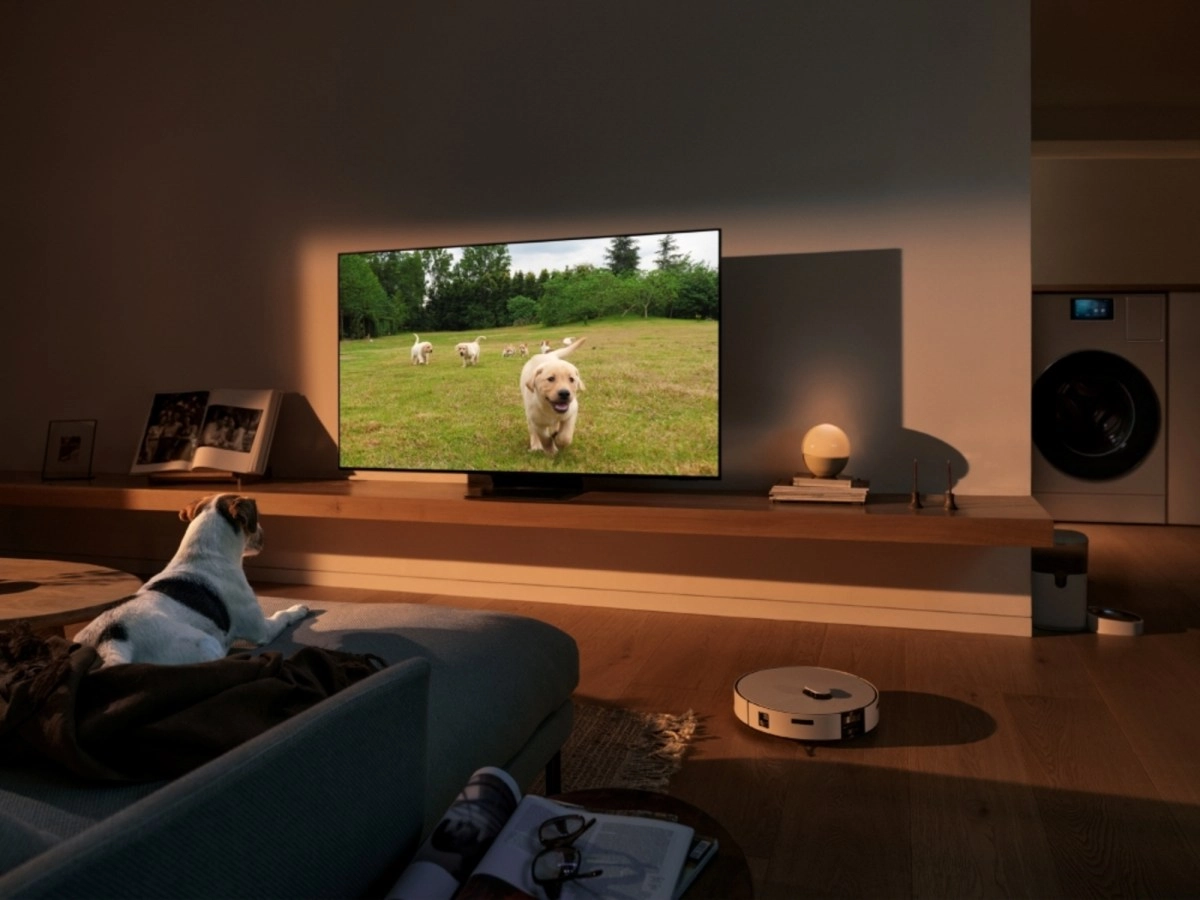

Eclipsa Audio is the new joint effort from Google and Samsung to revolutionize surround sound and compete directly with the all-powerful Dolby Atmos. If you're wondering why these giants have decided to challenge the benchmark for 3D audio, here's the straightforward explanation: they aim to democratize immersive sound with an open, flexible format, free from the constraints of Dolby's exclusive licenses. Below, we explain in detail what each technology is, how they differ, and how Eclipsa Audio intends to change the game.
What is Eclipsa Audio and why are Google and Samsung promoting it?
Eclipsa Audio is a 3D sound technology developed by Google and Samsung under the umbrella of the Alliance for Open Media, an organization that also includes Netflix, Meta, and many other key brands. It was officially unveiled at CES 2025, and its goal is to deliver an unprecedented immersive audio experience on televisions, soundbars, consoles, and, notably, even mobile devices.
The key difference between Eclipsa Audio and traditional codecs lies in its open and royalty-free nature.
This means that any manufacturer can integrate it into their devices without paying licensing fees, something that wasn't possible with Dolby Atmos until now. In this way, Google and Samsung intend for many more devices—including mid-range and entry-level models—to have access to a premium sound experience. The technology is based on the IAMF (Immersive Audio Model and Formats) standard, which allows for advanced audio customization: creators can adjust the location, intensity, and reflections of each sound in a fully three-dimensional environment. Thus, Eclipsa Audio aims to offer depth, realism, and a feeling of being inside the action, whether watching a movie or a concert on YouTube. What is Dolby Atmos and what makes it special? Dolby Atmos has become synonymous with premium surround sound in cinemas, televisions, soundbars, and even on streaming platforms like Netflix and Disney+.This proprietary technology allows sound to be positioned from any angle, even from above, building a true sonic "hemisphere" around the user. This is achieved through object-oriented channels and additional speakers—ceiling speakers, for example—allowing you to hear a helicopter flying directly overhead or rain falling from all directions. Atmos stands out for its ability to precisely position each sound effect within a three-dimensional space. Every audio track is mixed for Atmos, and compatible equipment automatically detects how many speakers you're using—whether two, five, or a veritable arsenal—and distributes the sound for maximum immersion. Its major drawback, however, is its closed nature: implementing Atmos requires permits and costs that not all manufacturers are willing to bear. Dolby Atmos: How are they different?
Both technologies aim to offer you the best possible immersive sound, but they have different philosophies and technical support.
Eclipsa Audio relies on ambisonic channels and techniques to construct the soundscape and is compatible with up to 28 input channels in a single bitstream. It also allows binaural rendering for headphones and can be adapted from a simple soundbar to configurations with dozens of speakers. Their initial focus is on digital content, especially on YouTube and Samsung 2025 TVs.
Atmos, on the other hand, enjoys a solid foundation in the traditional film industry and major studios, where its ecosystem and agreements maintain it as the reigning standard, especially for mega-productions and movie theaters.
Will Eclipse Audio manage to dethrone Dolby Atmos?
The challenge is enormous, but Google and Samsung's move is smart: they're not looking to replace Atmos in theaters, but rather to multiply the possibilities of 3D audio for all users and creators.
Eclipsa Audio makes it easier for any creator to produce immersive sound and eliminates Dolby's main entry barrier: cost and restrictions. You'll likely see it as an option in YouTube content, on affordable TVs, and perhaps rival brands will soon adopt it, as the industry supports it as an open standard.
The surround sound war has just escalated. One thing is certain: users will benefit from more options, flexibility, and, above all, better audio experiences—regardless of the brand of TV or soundbar you use.For example, this allows you to hear a helicopter flying directly overhead or rain falling from all directions.
Atmos stands out for its ability to precisely position each sound effect within a three-dimensional space. Each audio track is mixed for Atmos, and compatible equipment automatically detects how many speakers you're using—whether it's two, five, or a veritable arsenal—and distributes the sound for maximum immersion. Its major drawback, however, is its closed nature: implementing Atmos requires permits and costs that not all manufacturers are willing to bear.
Eclipsa Audio vs. Dolby Atmos: How do they differ?
Both technologies aim to offer you the best possible immersive sound, but they have different philosophies and technical support.
Eclipsa Audio relies on channels and ambisonic techniques to construct the soundscape and supports up to 28 input channels in a single bitstream. Furthermore, it allows binaural rendering for headphones and can be adapted from a simple soundbar to setups with dozens of speakers. Its initial focus is on digital content, especially YouTube and Samsung 2025 TVs.
Atmos, for its part, enjoys a solid foundation in the traditional film industry and major studios, where its ecosystem and agreements maintain it as the reigning standard, especially for mega-productions and movie theaters.
Will Eclipse Audio manage to dethrone Dolby Atmos?
The challenge is enormous, but Google and Samsung's move is smart: they are not looking to replace Atmos in theaters, but rather to multiply the possibilities of 3D audio for all users and creators.
Eclipsa Audio facilitates the production of immersive sound for any creator and eliminates Dolby's main entry barrier: cost and restrictions.
In a short time, you'll likely see it as an option in YouTube content, on affordable TVs, and perhaps rival brands will soon adopt it, as the industry supports it as an open standard. The surround sound war has just escalated. If one thing is certain, it's that users will benefit from more options, flexibility, and, above all, better audio experiences—no matter what brand of TV or soundbar you use.For example, this allows you to hear a helicopter flying directly overhead or rain falling from all directions.
Atmos stands out for its ability to precisely position each sound effect within a three-dimensional space. Each audio track is mixed for Atmos, and compatible equipment automatically detects how many speakers you're using—whether it's two, five, or a veritable arsenal—and distributes the sound for maximum immersion. Its major drawback, however, is its closed nature: implementing Atmos requires permits and costs that not all manufacturers are willing to bear.
Eclipsa Audio vs. Dolby Atmos: How do they differ?
Both technologies aim to offer you the best possible immersive sound, but they have different philosophies and technical support.
Eclipsa Audio relies on channels and ambisonic techniques to construct the soundscape and supports up to 28 input channels in a single bitstream. Furthermore, it allows binaural rendering for headphones and can be adapted from a simple soundbar to setups with dozens of speakers. Its initial focus is on digital content, especially YouTube and Samsung 2025 TVs.
Atmos, for its part, enjoys a solid foundation in the traditional film industry and major studios, where its ecosystem and agreements maintain it as the reigning standard, especially for mega-productions and movie theaters.
Will Eclipse Audio manage to dethrone Dolby Atmos?
The challenge is enormous, but Google and Samsung's move is smart: they are not looking to replace Atmos in theaters, but rather to multiply the possibilities of 3D audio for all users and creators.
Eclipsa Audio facilitates the production of immersive sound for any creator and eliminates Dolby's main entry barrier: cost and restrictions.
In a short time, you'll likely see it as an option in YouTube content, on affordable TVs, and perhaps rival brands will soon adopt it, as the industry supports it as an open standard. The surround sound war has just escalated. If one thing is certain, it's that users will benefit from more options, flexibility, and, above all, better audio experiences—no matter what brand of TV or soundbar you use.Its biggest barrier, however, is its closed nature: implementing Atmos requires permits and costs that not all manufacturers are willing to bear.
Eclipsa Audio vs. Dolby Atmos: How do they differ?
Both technologies aim to offer you the best possible immersive sound, but they have different philosophies and technical support.
Eclipsa Audio relies on channels and ambisonic techniques to construct the soundscape and is compatible with up to 28 input channels in a single bitstream. Furthermore, it allows binaural rendering for headphones and can be adapted from a simple soundbar to configurations with dozens of speakers. Their initial focus is on digital content, especially on YouTube and Samsung 2025 TVs.
Atmos, on the other hand, enjoys a solid foundation in the traditional film industry and major studios, where its ecosystem and agreements maintain it as the reigning standard, especially for mega-productions and movie theaters.
Will Eclipse Audio manage to dethrone Dolby Atmos?
The challenge is enormous, but Google and Samsung's move is smart: they're not looking to replace Atmos in theaters, but rather to multiply the possibilities of 3D audio for all users and creators.
Eclipsa Audio makes it easier for any creator to produce immersive sound and eliminates Dolby's main entry barrier: cost and restrictions. You'll likely see it as an option in YouTube content, on affordable TVs, and perhaps rival brands will soon adopt it, as the industry supports it as an open standard.
The surround sound war has just escalated. One thing is certain: users will benefit from more options, flexibility, and, above all, better audio experiences—regardless of the brand of TV or soundbar you use.Its biggest barrier, however, is its closed nature: implementing Atmos requires permits and costs that not all manufacturers are willing to bear.
Eclipsa Audio vs. Dolby Atmos: How do they differ?
Both technologies aim to offer you the best possible immersive sound, but they have different philosophies and technical support.
Eclipsa Audio relies on channels and ambisonic techniques to construct the soundscape and is compatible with up to 28 input channels in a single bitstream. Furthermore, it allows binaural rendering for headphones and can be adapted from a simple soundbar to configurations with dozens of speakers. Their initial focus is on digital content, especially on YouTube and Samsung 2025 TVs.
Atmos, on the other hand, enjoys a solid foundation in the traditional film industry and major studios, where its ecosystem and agreements maintain it as the reigning standard, especially for mega-productions and movie theaters.
Will Eclipse Audio manage to dethrone Dolby Atmos?
The challenge is enormous, but Google and Samsung's move is smart: they're not looking to replace Atmos in theaters, but rather to multiply the possibilities of 3D audio for all users and creators.
Eclipsa Audio makes it easier for any creator to produce immersive sound and eliminates Dolby's main entry barrier: cost and restrictions. You'll likely see it as an option in YouTube content, on affordable TVs, and perhaps rival brands will soon adopt it, as the industry supports it as an open standard.
The surround sound war has just escalated. One thing is certain: users will benefit from more options, flexibility, and, above all, better audio experiences—regardless of the brand of TV or soundbar you use.where its ecosystem and agreements maintain it as the reigning standard, especially for mega-productions and movie theaters.
Will Eclipse Audio manage to dethrone Dolby Atmos?
The challenge is enormous, but Google and Samsung's move is smart: they're not looking to replace Atmos in theaters, but rather to multiply the possibilities of 3D audio for all users and creators.
Eclipsa Audio makes it easier for any creator to produce immersive sound and eliminates Dolby's main entry barrier: cost and restrictions. You'll likely see it as an option in YouTube content, on affordable TVs, and perhaps rival brands will soon adopt it, as the industry supports it as an open standard.
The surround sound war has just escalated. If one thing is certain, it's that users will benefit from more options, flexibility, and, above all, better audio experiences—no matter what brand of TV or soundbar you use.