

Are all old coins and bills worth a lot of money?
Not all old banknotes or coins have a high value. Know what factors determine their true price and avoid falling for scams or false expectations
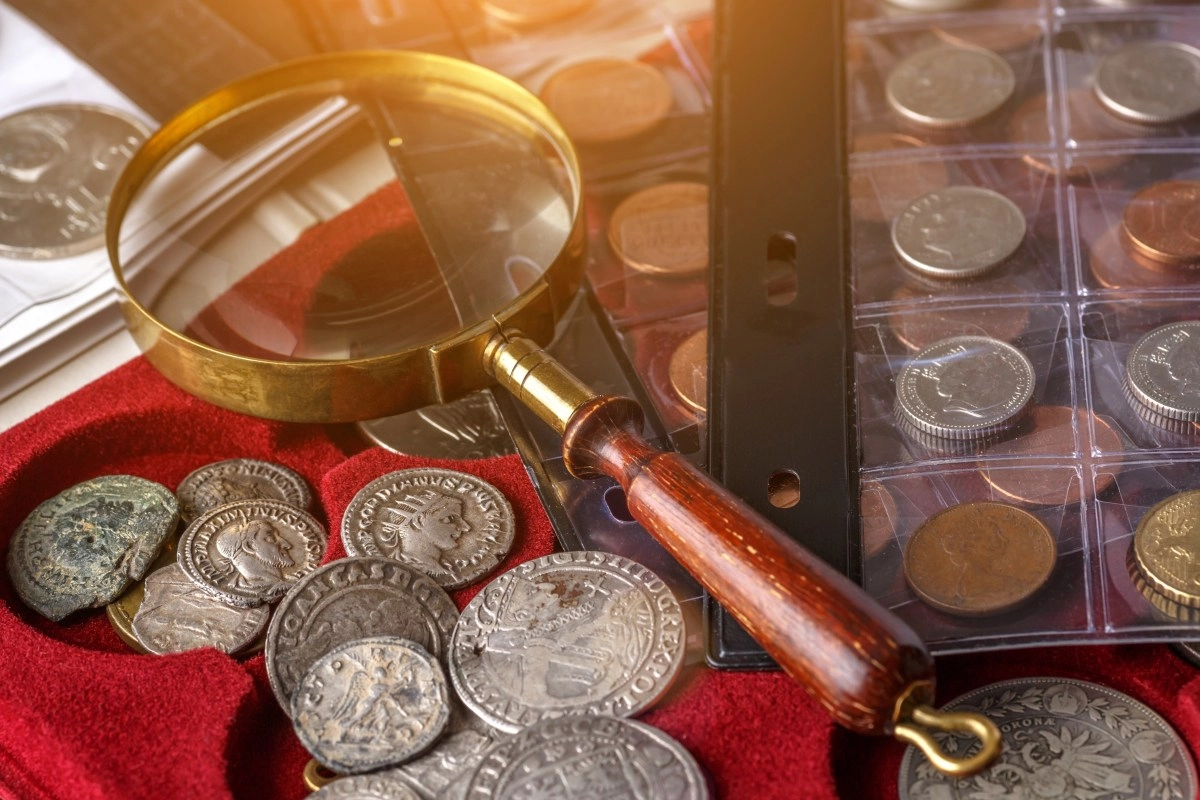

Having an old banknote or coin among your belongings may seem like an open door to a fortune. However, the reality is very different. Not all antique items are highly valued, and it's important to know why before you get excited or fall for scams.
One of the most common mistakes is to think that just because a coin or bill is old, it's automatically worth thousands of dollars. In the world of collecting, known as numismatics, what really matters is the rarity of the item.
This means that a piece may be from the 1800s and not be worth much, while a more recent one could fetch high prices if it's hard to find.
What Determines True Value?
Several factors influence the value of a coin or bill. The most important is how many similar examples are currently in circulation. The less available they are, the greater the interest from collectors.
Another key aspect is the mint mark, which is the city where the coin was manufactured. Two pieces of the same year and design can have very different prices if they were minted in different places. One may be worth $10, while another, with a less common mark, may be worth over $1,000.
If you find exorbitant prices for your coin or bill online, don't immediately trust it. Anyone can list an item for whatever price they want, but that doesn't mean anyone will buy it for that amount.
It's best to seek professional appraisals and get at least two or three different opinions to get a clearer, more objective idea of ??your coin's true value.
Another common mistake is trying to clean a coin to make it look "better." This may seem like a good idea, but it actually lowers its value. Collectors often prefer items in their original condition, even if they are dirty or worn.
Overhandling, polishing, or washing them can cause them to lose some of their appeal and, ultimately, their market value.
Some coins can fetch significant sums. This is the case with the 1993 Walking Liberty 50-cent coin, which has sold for significant amounts. But these are exceptions, not the general rule.
To know if you have a gem in your hands, it's best to consult a numismatic expert or go to a reputable specialty store.
Knowing how to distinguish between a common object and a valuable piece can save you disappointment and, at the same time, help you protect a true treasure, if you have one.