

Controversial Plea Deal in 9/11 Case: Arguments Scheduled
A military judge is set to hear arguments regarding the controversial plea deal in the 9/11 case at Guantanamo Bay, raising questions about its validity and the Pentagon official behind the decision.
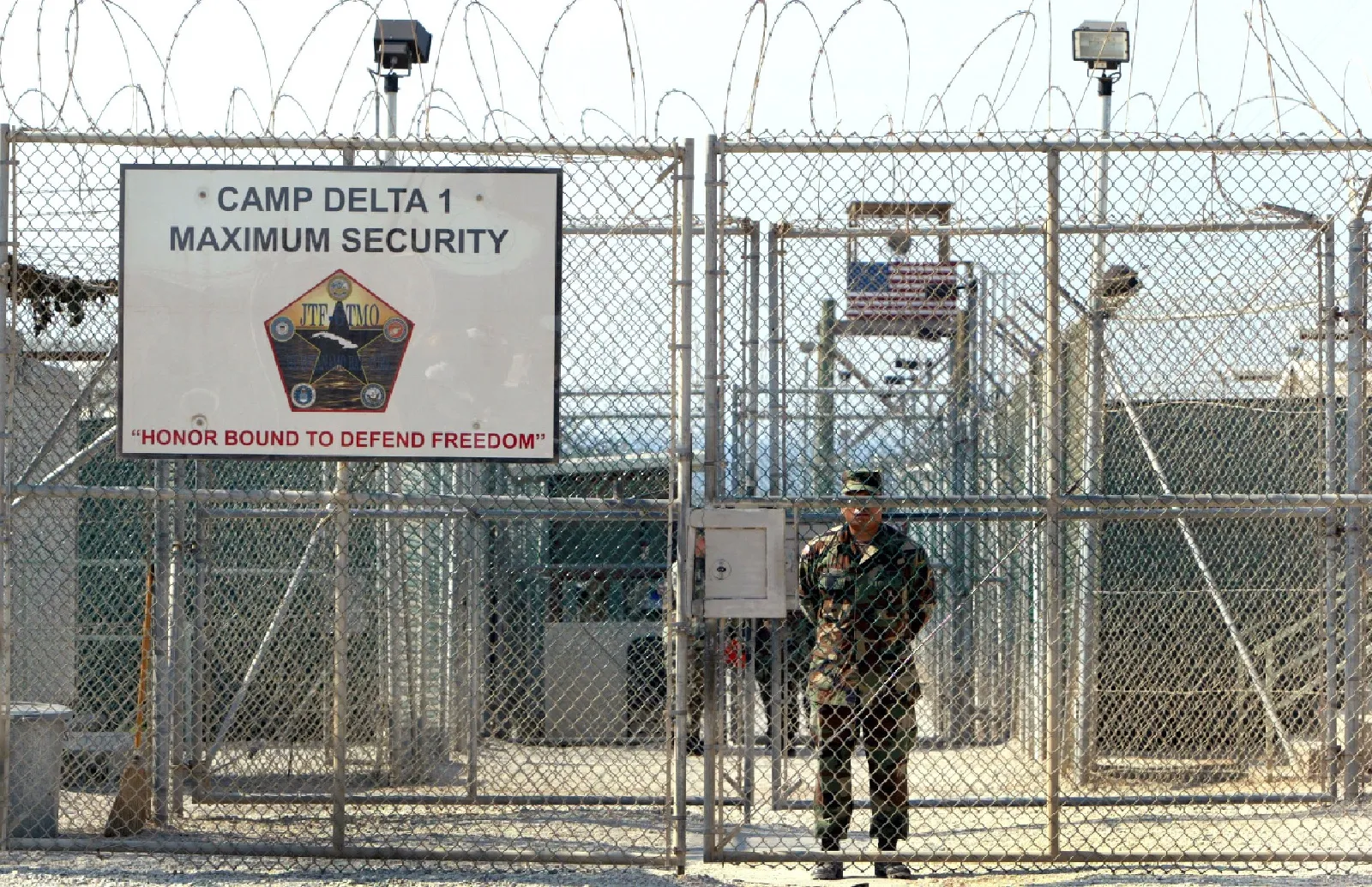

A military judge has set the stage for a crucial hearing this month concerning the controversial plea deal related to the September 11 attacks, a development that could have significant implications for the ongoing legal proceedings at Guantanamo Bay. The hearing is expected to delve into the complexities surrounding the deal’s validity, raising pressing questions about the judicial processes involved in one of the most high-profile terrorism cases in U.S. history.
Background: The Plea Deal Controversy
The plea deal, which has been mired in legal and ethical debates since its inception, was intended to expedite proceedings against key figures associated with the 9/11 attacks. However, the deal has faced scrutiny from various legal experts, victims’ families, and human rights advocates who argue that it undermines the principles of justice and accountability. Critics assert that any resolution that allows defendants to plead guilty in exchange for lighter sentences compromises the severity of their actions and the suffering inflicted upon countless victims.
This hearing marks a pivotal moment as the military court grapples with the complexities of military justice, national security concerns, and the rights of the accused. The judge’s decision could either uphold the plea agreement or set a precedent that challenges its validity, influencing not just this case but potentially future military trials.
The Role of the Pentagon Official
Central to the controversy is the little-known Pentagon official who approved the plea deal. This individual, whose identity has not been widely publicized, plays a crucial role in the legal framework surrounding military commissions. Understanding their motivations and the rationale behind endorsing such a deal is essential to grasping the broader implications of this case.
Insiders suggest that the decision to pursue a plea deal was influenced by a desire to expedite proceedings that had already faced significant delays. With the complexity of the 9/11 case, the government aimed to find a resolution that would avoid prolonged litigation while still addressing national security concerns. However, the ethical implications of such a decision continue to be hotly debated, highlighting the tension between expediency and justice.
The Legal Landscape Ahead
The upcoming arguments before the military judge will address the validity of the plea deal, examining legal precedents and the broader context of military justice. Legal experts expect a vigorous debate as both sides present their cases, with prosecutors advocating for the deal’s enforcement and defense attorneys challenging its legitimacy.
Many observers are particularly focused on how the judge will navigate the intricate balance between ensuring national security and upholding the rights of the accused. This case has implications beyond the courtroom; it speaks to the ongoing challenges faced by the U.S. legal system in addressing terrorism while maintaining principles of justice and due process.
Public Sentiment and Victim Advocacy
As the hearing approaches, public sentiment remains deeply divided. Victims’ families, who have long sought justice for the 9/11 attacks, express frustration at what they perceive as a failure to hold perpetrators fully accountable. Many families argue that the plea deal diminishes the gravity of the crimes committed, and they are vocal in their opposition to any resolution that appears to sidestep justice.
Advocacy groups have rallied around these families, amplifying their calls for transparency and accountability in the legal proceedings. They argue that a plea deal undermines the sacrifices made by those affected by the attacks and that justice must be served in a manner that reflects the severity of the crimes.
National Security Implications
The legal discussions surrounding the plea deal also carry national security implications. Some argue that swift resolutions to such high-profile cases can serve to reinforce the government’s commitment to combating terrorism, while others caution against prioritizing expediency over thorough judicial processes.
The military judge’s upcoming decision will likely set a tone for how the government approaches future terrorism cases, particularly those involving military commissions. The legal framework established during these proceedings may shape the future of military justice and the handling of terrorism-related offenses in the U.S.
What’s Next?
As arguments are set to unfold, the legal community and the public alike will be watching closely. The military judge’s ruling will not only impact the defendants but could also resonate throughout the broader legal landscape, potentially influencing how future cases of this nature are prosecuted and resolved.
Legal analysts are also considering the ramifications for U.S. relations with other nations regarding counterterrorism efforts and international law. How the U.S. handles high-profile terrorism cases can affect its standing in global discussions about justice and human rights.
The Ongoing Quest for Justice
The upcoming hearing concerning the 9/11 plea deal encapsulates the complex interplay between national security, justice, and ethical considerations in the aftermath of terrorism. As the military judge prepares to hear arguments, the stakes are undeniably high. The outcomes of these proceedings will serve as a reflection of the values that underpin the U.S. legal system and the nation’s commitment to delivering justice for those impacted by the tragic events of September 11, 2001.