

New report highlights the main concerns of Latino families in the U.S.
The economy and immigration top the list of concerns for Latino families
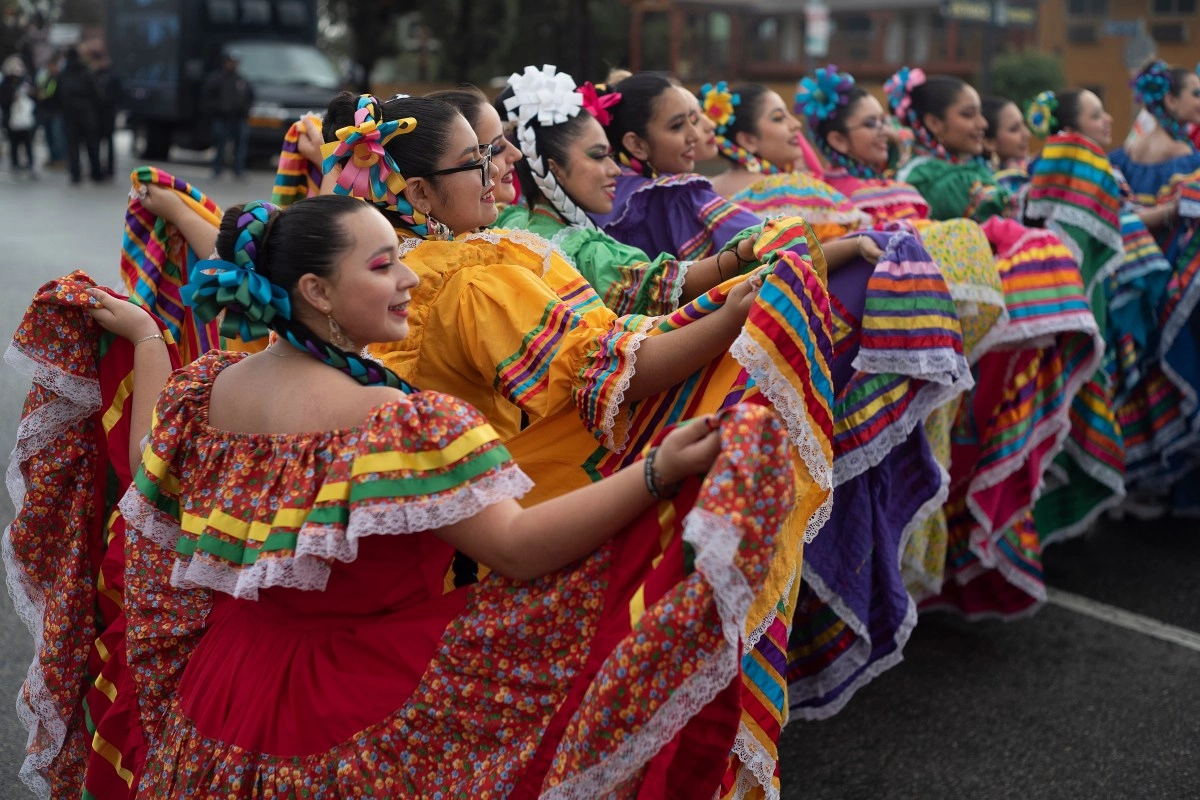

The majority of Latino families feel that the federal government's economic policies will negatively impact their financial situation and the country's economy, according to a new report published by AP-OD (Abriendo Puertas/Opening Doors) in collaboration with UnidosUS and BSP Research.
The fourth annual National Latino Family Report offers a snapshot of the aspirations, challenges and fears of Latino families with young children in the United States, in a context of intensification of the Administration's immigration policy.
The survey included nearly 1,400 Latino families in the United States. This report offers a snapshot of families’ hopes, concerns, and visions for a stable and prosperous future for themselves and their children.
More respondents than ever (45%) said their financial situation has worsened over the past year, and Latino families selected several economic issues they believe are crucial for the federal government to address, including raising wages, lowering the cost of living, and creating more affordable housing, Unidos US reported in a press release sent to La Opinion.
For the first time since these surveys were conducted, respondents chose two immigration policies as among the most important for the administration and Congress to address: protecting immigrants’ rights and providing a path to citizenship.
Families also expressed widespread fear regarding the administration’s hardline policies.
More than half expressed concern about their friends and family being detained or deported, and between 24% and 35% said they will avoid seeking essential support and services, such as medical treatment and early education programs for their children, in response to the administration's policies.
“The chilling effect is widespread, and these behavioral changes can be devastating for children,” said Adrián A. Pedroza, National Executive Director of AP-OD. “The impact of the administration’s immigration policies on families will outlast President Trump’s term, and it will be everyone’s responsibility to help communities rebuild their lives.”
Key Findings from the Report
Economic Opportunity and Resilience: 45% said their financial situation worsened over the past year. 20% reported starting a new business in the past year. Immigration Fears and a Path Forward: 57% are worried that their friends or family members will be detained or deported because of their immigration status. 35% said the president’s immigration policies could cause them to avoid talking to police or reporting a crime. Bilingualism: 88% want their children to be bilingual in English and Spanish. 92% said childcare should offer multilingual and multicultural education.
Urgent need for affordable childcare: 39% of families spend between 11% and 25% of their take-home pay on childcare, while 17% spend between 26% and 50% of their income. 23% are unable to work due to lack of childcare.
Family Well-Being and Social Safety Nets: Nine in 10 parents support state paid family leave programs that allow them to care for newborns without enduring the stress and uncertainty of unpaid time off work. Nearly the same number, about 87%, support expanding the Earned Income Tax Credit to provide $5,000 per child per year, with quarterly payments.
Despite economic uncertainty, Latino families across the United States continue to lead with resilience, ambition, and a steadfast commitment to their children’s future.
The report shows that families are actively seeking higher-paying jobs, starting businesses, and saving for their children’s education.
“These families aren’t waiting for change. They’re building their power,” said Amalia Chamorro, director of the Education Policy Project at Unidos US. “Now is the time for policymakers to complement that determination with policies that honor the contributions of Latino families to America’s economic prosperity.”
The 2025 National Latino Family Report is available online at nationalsurvey.ap-od.org/2025-report/.
The Latino community is an economic powerhouse in the United States, generating $3.6 trillion in gross domestic product in 2022 alone, an amount that alone would rank it as the fifth-largest economy in the world, according to the 2024 Official LDC US Latino GDP Report.
Eligible Hispanic voters make up the second largest and fastest-growing racial or ethnic voting bloc in the United States, With more than 36 million eligible voters. Latino voters are, on average, younger than their non-Hispanic white counterparts, and each year, about 1.4 million Latinos become eligible to vote, according to the Pew Research Center.