

Organizations and lawyers warn of the danger of deportations to third countries
Immigration lawyers and civil rights advocates denounced the dangers and lack of guarantees of deportations of immigrants to third countries

Civil rights organizations and the American Immigration Lawyers Association (AILA) warned on Tuesday of the great dangers for immigrants following the Supreme Court ruling that authorized the administration of President Donald Trump to continue deporting immigrants to third countries.
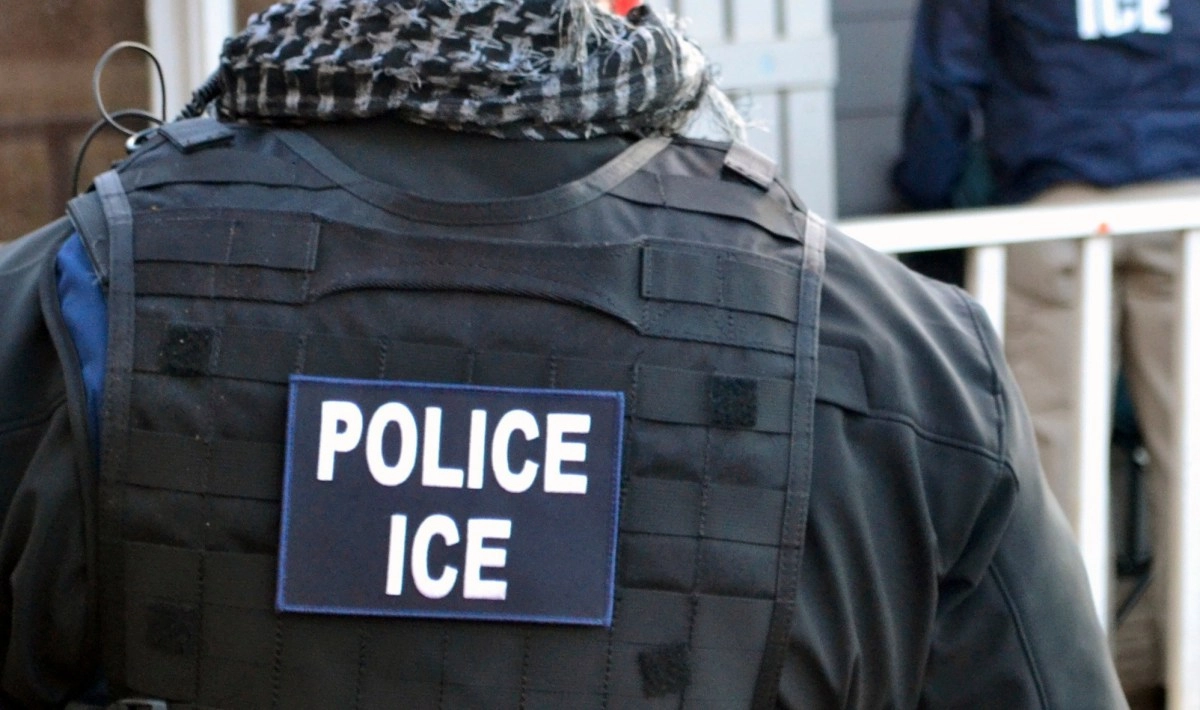
The Association of Lawyers Americans for Immigration questioned that the Court has “allowed the Trump Administration to evade its constitutional obligation to provide due process” to “non-citizens facing deportation to countries with which they have no prior connection.” This is “essentially a green light to secret deportations, including to countries deemed dangerous,” warned Jeff Joseph, president of AILA, which represents more than 16,000 immigration lawyers, in a statement. America’s Voice (AV), which seeks reform to regularize the eleven million undocumented immigrants in the United States, also criticized the Supreme Court for allowing the Trump Administration to resume deportations of immigrants to third countries, such as South Sudan and El Salvador. America’s Voice said that this is in addition to other tactics of the government’s mass deportations, such as the deployment of Immigration and Customs Enforcement (ICE) agents, who “without identification” are “violently detaining and deporting students, workers, community members, and even American citizens.”
“Now they will not only be kidnapped from our streets, but they could be deported to dangerous third countries with impunity and without due process,” said Vanessa Cárdenas, executive director of America's Voice.
The high court’s decision also drew international attention because it halted a federal judge’s order that had halted the deportation of eight immigrants to South Sudan, including two Cubans and one Mexican.
Federal District Judge Brian Murphy of Massachusetts, had determined last month that the Trump administration violated an order preventing it from deporting the eight migrants to a country where they could face torture without providing them with an adequate legal defense.
The plaintiffs in this case have warned that they will persist in their defense of these eight migrants, who remain in a container at a U.S. naval base in Djibouti.
“The Supreme Court’s ruling leaves thousands of people vulnerable to deportation to third countries where they could face torture or death, even if the deportations are clearly unlawful,” Leila Kang, an advocate at the Northwest Immigrant Rights Project, which is following the case, said in a statement.
U.S. immigration law stipulates that the government cannot deport migrants to third countries where they could be at risk or suffer torture.
But, to speed up deportations, the Trump administration is seeking agreements with other countries to accept expelled migrants from the country regardless of their nationality, as it has already agreed with the Salvador.