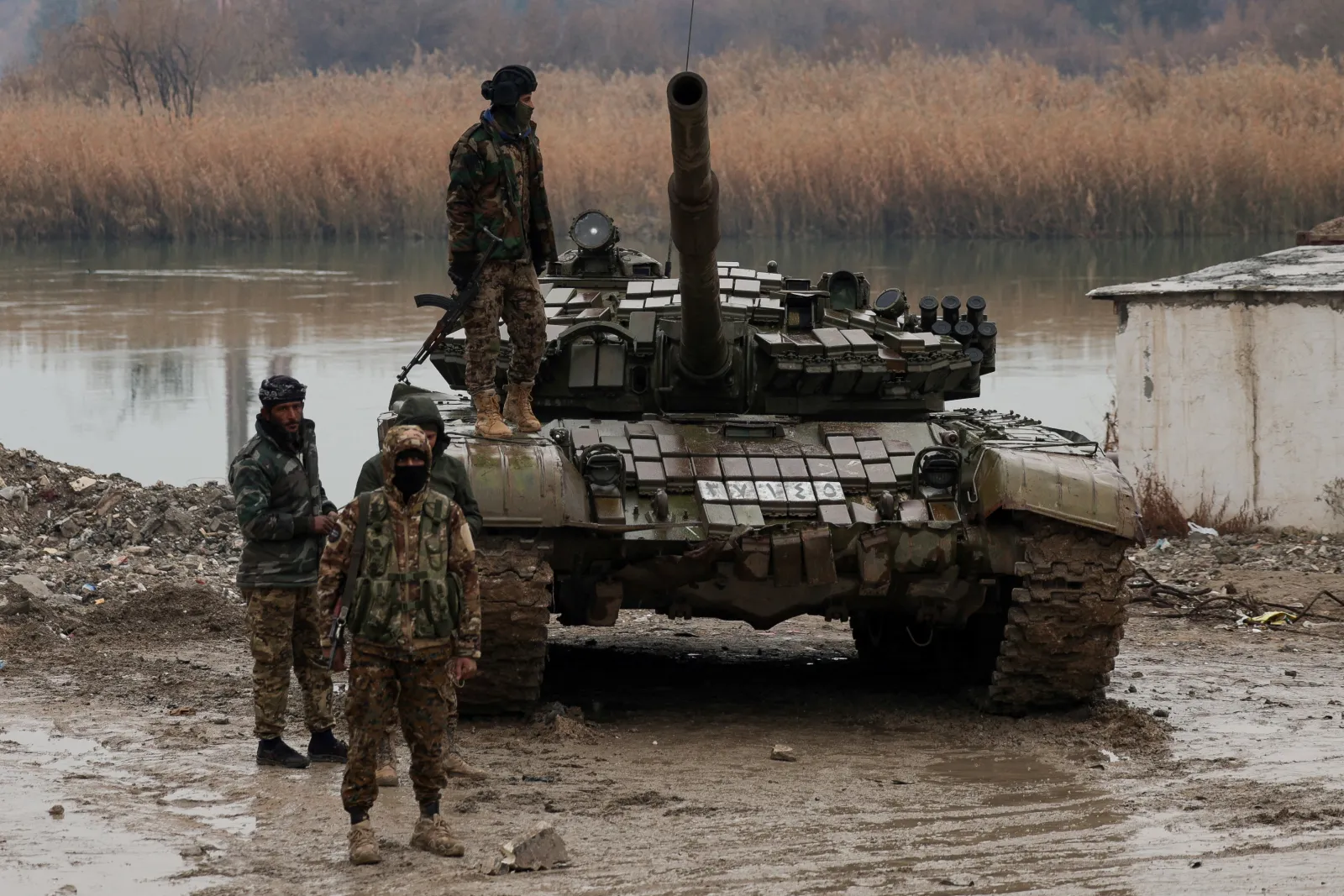

A major political and security development is unfolding in northern Syria following a new ceasefire agreement. Syria’s permanent representative to the United Nations, Ibrahim Olabi, has announced that the Syrian Democratic Forces will be dissolved in Hasakah Governorate, marking a significant change in the balance of power in the region.
According to Olabi, the agreement signals a return of full state authority. He stated that the SDF will no longer operate as an independent force and that all state institutions have resumed their roles. The announcement suggests a formal end to parallel governance structures that have existed in parts of northeastern Syria for years.
What the Ceasefire Means for Hasakah
Hasakah Governorate has long been a strategically sensitive area due to its ethnic diversity, oil resources, and proximity to international borders. The presence of the SDF, which played a central role in fighting extremist groups during the conflict, shaped local administration and security for much of the past decade.
The dissolution of the SDF under the ceasefire agreement indicates that control over security, civil services, and governance will be consolidated under the Syrian state. Olabi emphasized that official institutions are once again functioning, suggesting a transition toward centralized administration.
International Implications
The statement delivered at the United Nations carries diplomatic weight. By framing the move as part of a ceasefire agreement, Syrian officials appear to be signaling stability and a step toward restoring national sovereignty in contested regions.
International observers are closely watching how this transition will unfold on the ground. Questions remain about how SDF fighters will be integrated, demobilized, or reassigned, and how local communities will respond to the return of state authority.
A Turning Point in the Conflict
The announcement represents a potential turning point in the Syrian conflict, particularly in the northeast. The SDF has been a key actor backed by foreign partners, and its dissolution would reshape military and political dynamics in the area.
While details of the ceasefire agreement have not been fully disclosed, the confirmation from Syria’s UN envoy suggests that negotiations have reached a decisive phase. The coming weeks are expected to reveal whether the agreement brings lasting calm or introduces new challenges during the transition.
What Comes Next
As state institutions re establish themselves in Hasakah, attention will turn to governance, security arrangements, and the humanitarian situation. The success of this shift will likely depend on how smoothly authority is transferred and whether all parties adhere to the ceasefire terms.
For now, the message from Damascus is clear. With the dissolution of the SDF under the new agreement, the Syrian government is asserting that the era of fragmented control in Hasakah is coming to an end.