

At least 444 political prisoners have been released in Venezuela, according to the NGO Foro Penal
Despite the releases, thousands of released prisoners, their families, and organizations continue to demand a full amnesty
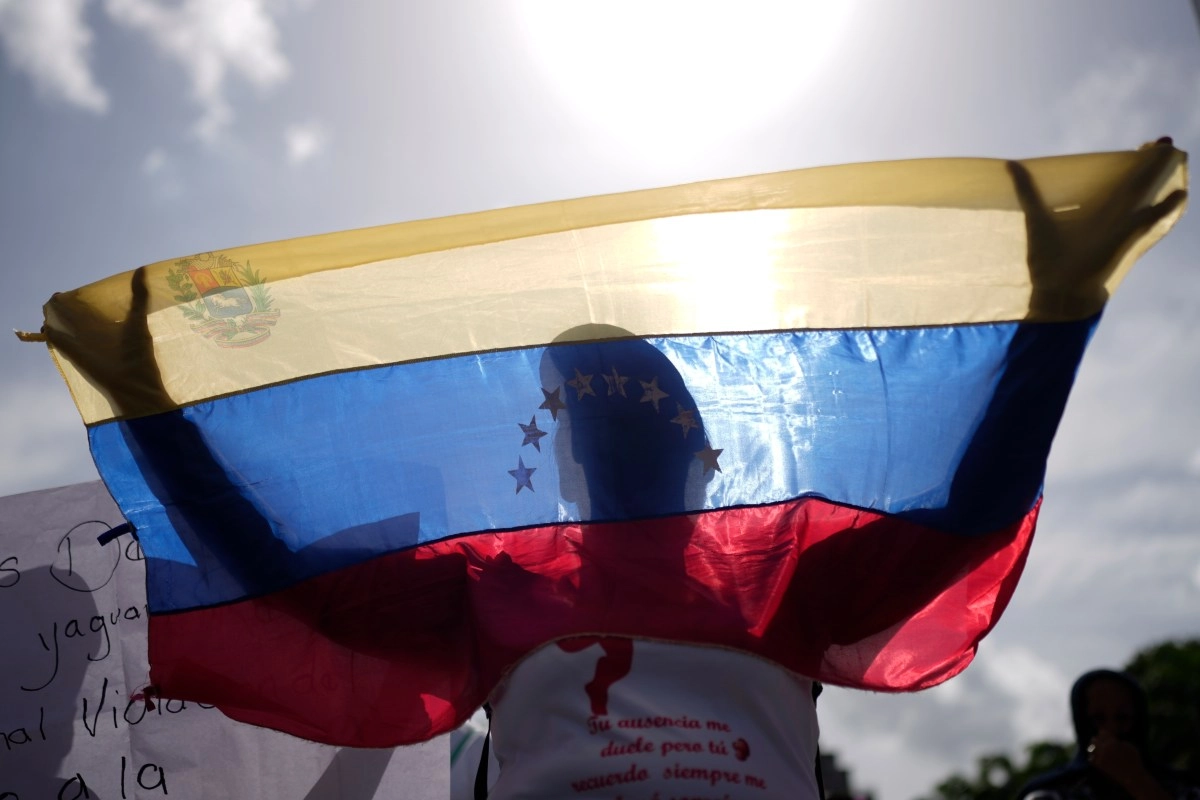

The Venezuelan non-governmental organization Foro Penal reported that at least 444 people considered political prisoners have been released in Venezuela since the government announced a process of releases, from January 8 to the night of February 15, according to data verified by the NGO.
The figure was published through the X account of Alfredo Romero, president of the organization, and corresponds to documented releases during that period, not counting those cases in which freedom is conditioned on house arrest or other restrictions.
Foro Penal specifies that it does not consider as releases those cases in which, after leaving detention centers, people remain deprived of their liberty under house arrest or other precautionary measures that limit their full freedom.
In recent days, the emblematic case of Juan Pablo Guanipa, former deputy and close to opposition leader Maria Corina Machado, you have emerged. He was released along with other activists, but was later placed under house arrest and rearrested by the Prosecutor's Office for allegedly violating precautionary measures, according to Foro Penal and various media outlets.
In addition, since early Saturday morning, a group of at least a dozen women, relatives of Political prisoners continue their hunger strike in front of a police station in Caracas, where recent releases have taken place. Some of these women have suffered health problems, including fainting spells, requiring medical attention without leaving their protest site. This process of releases occurs amidst discussions on a proposed amnesty law promoted by the president of the Chavista Parliament, Jorge Rodriguez, who on February 6 promised the release of “all” political prisoners once the law is approved. However, the legislature postponed the debate on the second and final article of the initiative until next week, amid disagreements over a requirement that compels those pursued to appear before the courts. National and international human rights organizations,Organizations including Amnesty International have highlighted that while the releases are a step forward for those freed and their families, hundreds of people remain detained for political reasons, and some of those released continue to be subject to arbitrary proceedings, which effectively limits their freedom. They also demand guarantees of justice, transparency, and a definitive end to arbitrary detentions in the country. The political context in Venezuela has changed following the kidnapping of former President Nicolas Maduro by US forces in January, the assumption of the interim presidency by Delcy Rodriguez, and the opening of a “new political moment,” according to official statements. Despite the climate of change, human rights defenders and the opposition point out that the release of political prisoners still reflects a partial or conditional freedom, and not the eradication of repressive practices against political dissidents.