

Senate confirms Kevin Warsh and brings him closer to leading the Federal Reserve
The Economist backed by Trump advances to replace Jerome Powell as head of the Fed
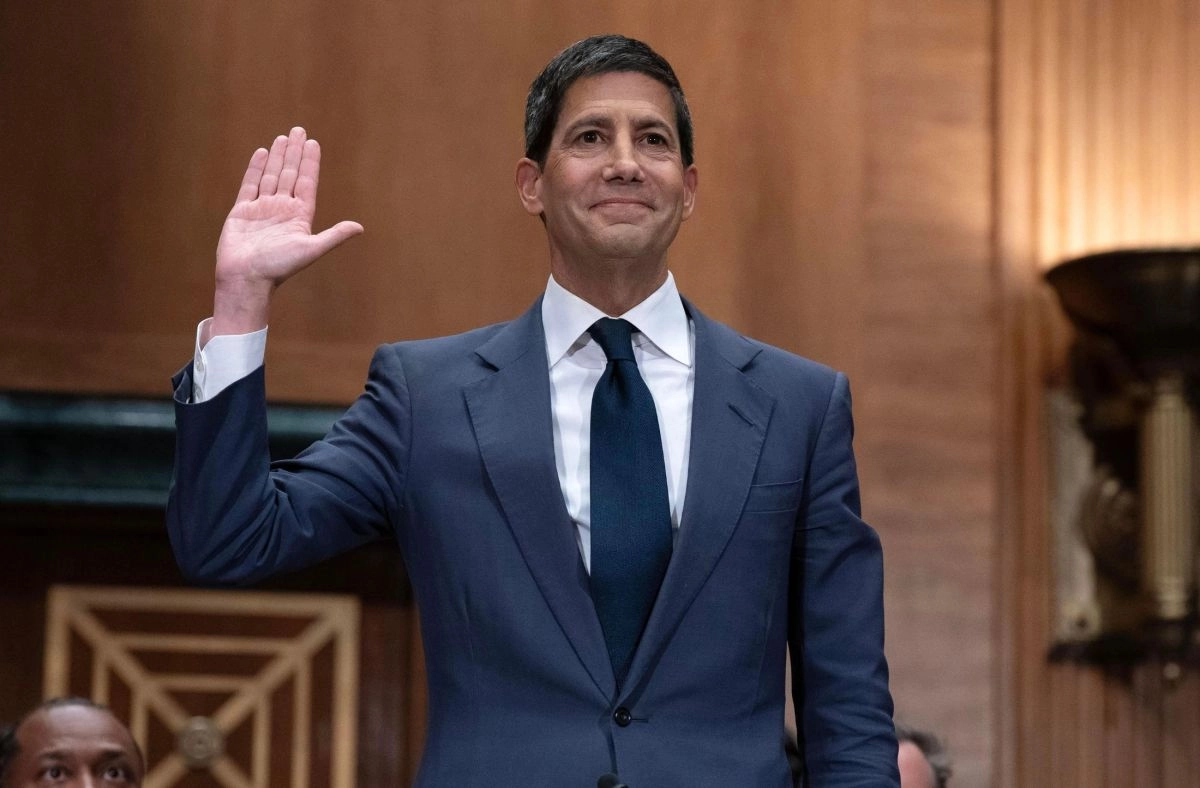

The Senate confirmed Kevin Warsh this Tuesday as a new member of the Board of Governors of the Federal Reserve, in a decision that strengthens Donald Trump's plans to place him at the head of the U.S. central bank.
The vote concluded with 51 votes in 45 against, granting Warsh a 14 year term within the Federal Reserve. However, the Senate still a must vote separately to ratify him as president of the body, a position currently held by Jerome Powell, whose term ends this week.
The confirmation occurs amid months of political and financial tension in Washington, marked by constant criticism from Trump towards Powell due to interest rate policies.
Trump seeks changes in interest rates
Over the past few months, Trump has publicly pushed for the Federal Reserve to reduce interest rates more quickly, arguing that a more flexible monetary policy would help boost the U.S. economy.
The president even went so far as to call Powell “stubborn” and “idiot” for refusing to apply more aggressive cuts.
Warsh, who was already part of the Federal Reserve between 2006 and 2011 during the global financial crisis, has maintained critical stances toward some recent central bank decisions, especially on banking regulation and balance sheet management.
However, during his confirmation hearings he promised to maintain independence from the White House.
“President Trump never asked me to set or decide interest rates, nor would he ever do so,” Warsh declared before the Senate. “I will be an independent actor if my appointment as president of the Federal Reserve is confirmed.”
The economist also has experience in the private sector and is currently linked to the Hoover Institution, in addition to being a financial advisor to investor Stanley Druckenmiller.
Research on Powell marked the process
Warsh's arrival occurred in the amid of the controversy generated by a criminal investigation related to Powell's statements to the Senate about the expensive renovation of the Federal Reserve's headquarters.
Although a judge dismissed the subpoenas considering that they sought to put pressure on the official, the case generated doubts among some Republican legislators about the future leadership of the central bank.
Finally, the investigation was closed last month by federal attorney Jeanine Pirro, clearing the way for Warsh's vote.
If his confirmation as Chairman of the Fed, Warsh would become one of the most influential economic figures of the new Trump administration and would have a key role in decisions on inflation, economic growth and interest rates.