

Editorial: the chaotic dilemmas of the government
Since he/she/is incapable of recognizing errors or of abandoning those who have more, the hopes of short-term improvement are little.
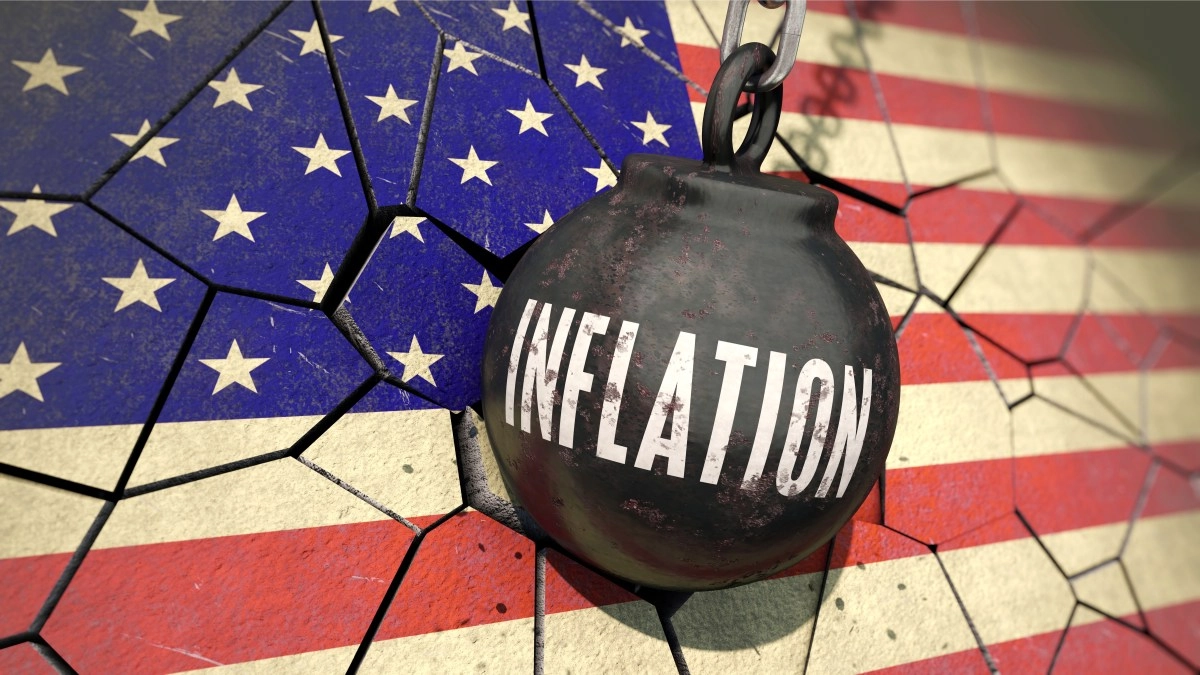

Confirming what each of us feels in everyday expenses, in an update of the Price Index to Cons umidor the Bureau of Labor Statistics announced yesterday that the annual inflation rate rose to 3.8%, the highest in two years.
Before the United States started the war in Iran the figure was 2.4%, but since jumped, mainly due to the enc increase in gasoline, which was below $3 per gallon and now reaches a national average of 4.48, 58% more.
At the same time, President Donald Trump's popularity dropped to 36% and the percentage of those who reject his administration rose to 57%.
This is further confirmation, in case it's needed, of the dead-end to which this administration is guiding us.
The American public is sensitive to the direction in which the current government is taking us. And reacts by repudiating its economic management. E The most important and worrying issue for citizens is the high cost of living. In transportation, in housing, food and medical care:
77% of the respondents – among them, for the first time, the majority of Republicans – know that the result of Trump's flawed policies is paid out of their pocket.
The economic conditions of the country have worsened. But this government remains determined to continue the economic policy that is leading us to this situation.
Economists agree on the changes required. The fiscal deficit must be reduced. In this fiscal year it approaches the do s trillions of dollars (trillions in English). And the total national debt is reaching unsustainable extremes of 40 trillion.
But although increased revenues are needed, Trump lowered the corporate tax rate in 2017 from 35% to 21%, cutting taxes for individuals in the richest 1%. And his “Great Beautiful Law” last July made permanent the cuts that were about to expire. To implement these royalties, the government implemented deep cuts in social programs, which increased poverty and reduced consumption, generating a negative chain reaction.
As if this were little, until today the war in Iran has cost 29,000 million dollars, in addition to the increase consumer must pay for gasoline and for agricultural products that need fertilizers, whose price rose due to the maritime blockade.
The government faces a chaotic dilemma. With the elections close, it must change its economic course, but as it is incapable of recognizing errors or of abandoning those who have the most, there are little hopes for a short-term improvement.