

Hurricane Melissa: This was the passage of the storm through Cuba before being downgraded to category 1
The storm affected important cities in the east of the island such as Santiago de Cuba, Granma and Holguin
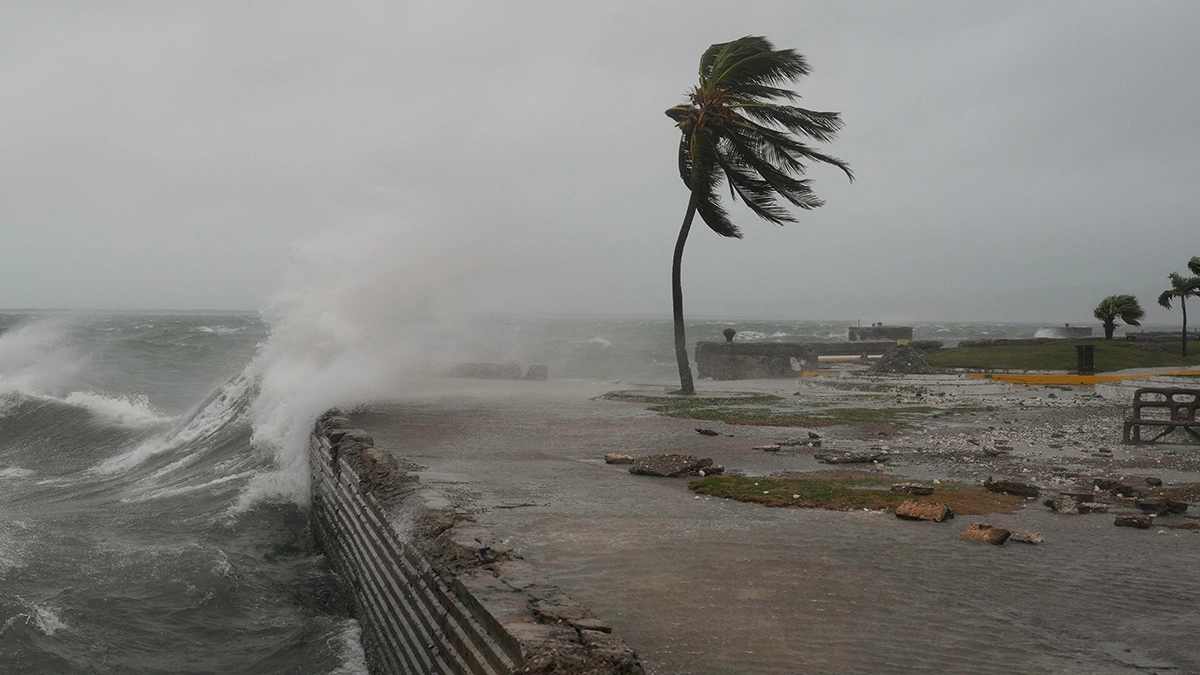

Hurricane Melissa hit eastern Cuba in the early hours of Wednesday, October 29, with torrential rains, destructive winds, and storm surges that caused massive flooding. According to the National Hurricane Center (NHC) in Miami, the storm reached sustained winds of up to 185 km/h before beginning to weaken as it moved northeast over the Bahamas. According to Telemundo, Melissa made landfall in the municipality of Guama, in Santiago de Cuba, around 3:00 am, leaving behind downed trees, torn-off roofs, and flooded roads. This led to the evacuation of 735,000 people throughout eastern Cuba, and in Holguin alone, some 250,000 spent the night in shelters, the network reported. Damage and Impact on Communities: Following its impact, President Miguel Diaz-Canel acknowledged on his official Twitter account that the damage had been “significant” and that the country faced “a very difficult early morning.” According to CNN, more than 241 communities, home to some 140,000 people, were cut off due to overflowing rivers and landslides. The most affected provinces were Granma, Santiago de Cuba, and Guantanamo, where authorities reported flooding that left homes and workplaces underwater. In Granma, Governor Yanetsy Terry Gutierrez explained that “several areas of the province are underwater, with the greatest impact on the municipal capital of Jiguani.” According to AP News, the cyclone also caused rivers to overflow, houses to collapse, and roads to be blocked, although no deaths have been officially reported in Cuba so far. Crisis and Infrastructure Damage: At the Guantanamo naval base, the hurricane damaged one of the main water pipes, leading authorities to recommend that residents boil their water before drinking it, according to CNN. Telephone communications, electricity supply and part of the transportation system remain interrupted in several areas of eastern Cuba.According to The Washington Post, images shared on social media show waves several meters high crashing against the coast and overflowing rivers sweeping away entire neighborhoods. In a country already facing a severe economic crisis, marked by blackouts and food shortages,the hurricane exacerbated the population's difficulties. Diaz-Canel stated on X that "as soon as conditions allow, we will begin the recovery," while Foreign Minister Bruno Rodriguez emphasized before the UN that Cuba is facing the hurricane's aftermath "practically without resources."
According to AP, US Secretary of State Marco Rubio confirmed that Cuba was left off the list of countries to which Washington will send humanitarian aid, unlike Jamaica, the Dominican Republic, and the Bahamas.
A storm battering the Caribbean
Melissa reached Cuba after devastating Jamaica as a Category 5 hurricane, becoming one of the most powerful storms recorded in the Atlantic this year. According to the NHC, it has already weakened to a Category 1 as it moves away from the Cuban archipelago, but continues to generate heavy rains and dangerous winds over the Bahamas.
According to Reuters estimates, the hurricane has left at least 25 dead in Haiti and several in Jamaica, although Cuban authorities have not reported any casualties so far.