

Iran threatens the US with a “more forceful” response after new warnings from Trump
Iran warns Washington would end up trapped in “a swamp of its own making” due to Trump’s “adventurous policies”
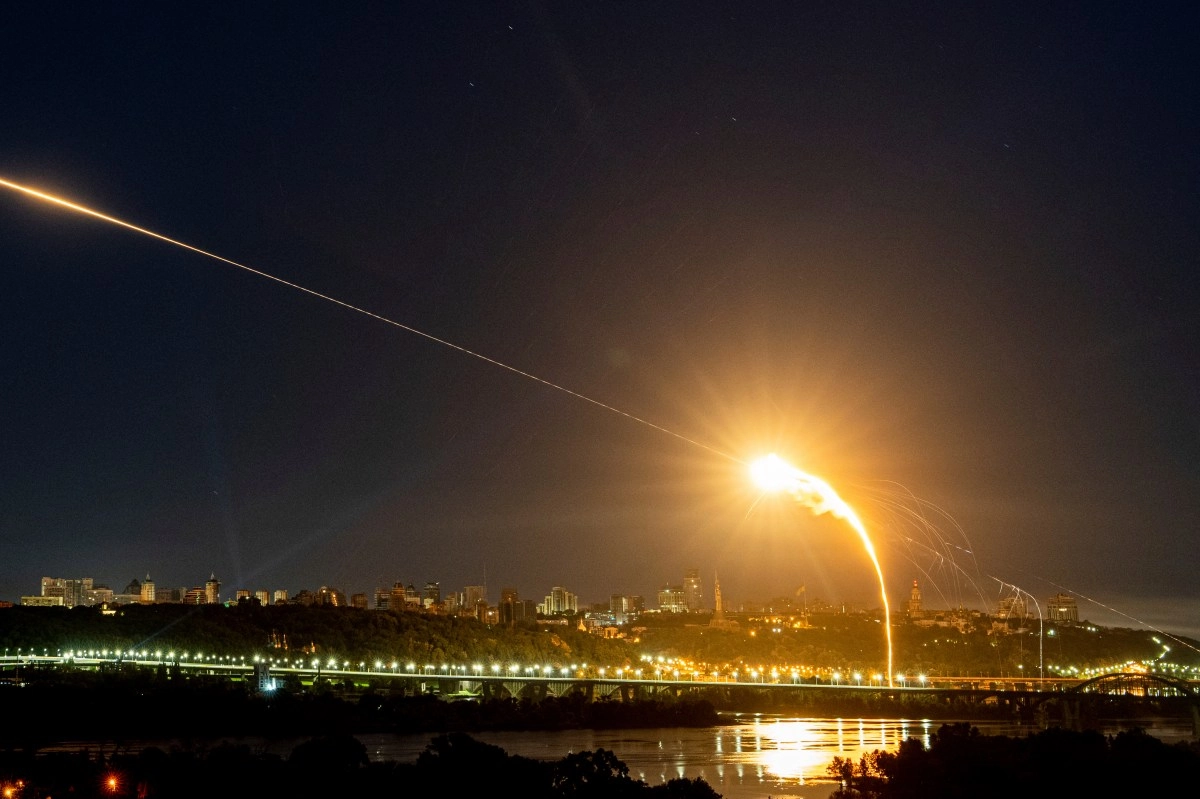

This Sunday, Iran issued a new warning to the United States and assured that any future military aggression will have a "more forceful and severe" response, amid the growing deterioration of negotiations between Tehran and Washington and after new threats from US President Donald Trump.
The spokesman for the Iranian Armed Forces, Brigadier General Abolfazl Shekarchi, stated that “the repetition of any folly to compensate for the humiliation suffered by the United States in the third war imposed against Iran will have no other consequence than receiving even more forceful and severe blows,” according to statements broadcast by Iranian state television.
The Iranian official added that the "desperate president of the United States" must understand that, if a new military offensive against Iran takes place, "the assets and the weakened army of that country will face new, offensive, surprising and devastating scenarios." In addition, he assured that Washington would end up trapped in “a swamp of its own creation” due to Trump's “adventurous policies.”
The statements come after Trump stated on Saturday that Iran "is going to have a very bad time" if it does not reach an agreement with Washington. Hours later, the president published on Truth Social a video that simulated the shooting down of an Iranian missile by an American ship accompanied by the message: "Ok, we have it in our sights. Fire. Boom."
Diplomatic tension between both countries continues to escalate while the negotiations, mediated by Pakistan, remain practically paralyzed. Trump recently called the latest Iranian proposal “a piece of garbage” and “totally unacceptable,” pushing away the possibility of an immediate deal.
Despite the stalemate, Iranian Foreign Minister Abbas Araghchi stated during the BRICS ministerial meeting in New Delhi that both governments continue to exchange messages “albeit slowly.” The foreign minister insisted that Tehran will only accept “a fair and balanced agreement.”
In its most recent proposal, Iran demanded that the United States pay compensation for damages caused during the war, recognize its sovereignty over the Strait of Hormuz, release blocked Iranian assets and lift economic sanctions, leaving the discussion on the Iranian nuclear program for a later stage.
Although the ceasefire reached on April 8 remains officially in force, Trump recently acknowledged that the truce is “incredibly fragile.” Analysts cited by the Reuters agency consider that the maximum pressure strategy promoted by Washington has further complicated the possibilities of a diplomatic solution, especially due to the strategic value of the Strait of Hormuz, through which nearly 20% of the world's oil and gas circulates.