

Nearly 42 million low-income people lose their food stamps
Congress failed to reopen the government before funds for the SNAP program created to combat hunger ran out
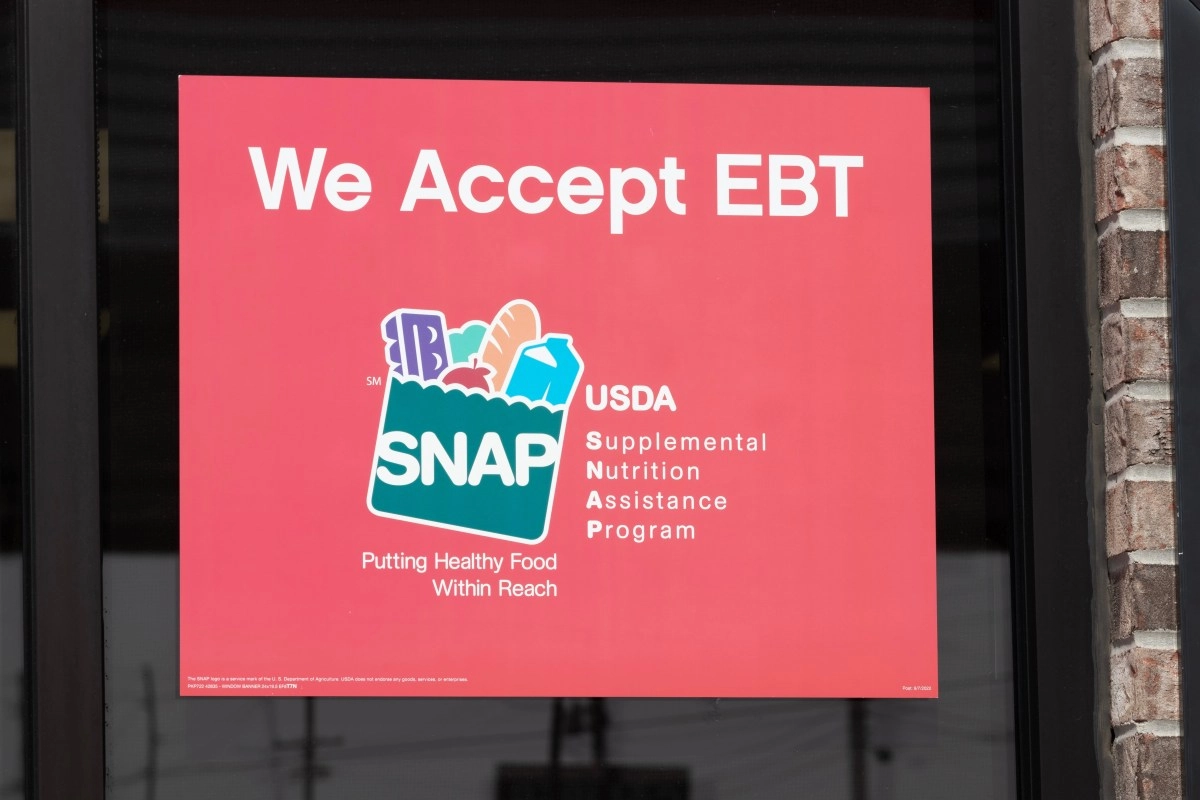

Since November 1, nearly 42 million low-income Americans have lost access to food stamps from the Supplemental Nutrition Assistance Program (SNAP), amid the partial shutdown of the federal government, which has now lasted more than a month.
Although a federal judge ordered the Trump administration to use emergency funds to Pay for the coupons in November has not prevented the immediate interruption of benefits, which could take weeks to resume. Adding to this crisis is the Comprehensive Food Reform Act, passed by Congress earlier this year, which would cut the SNAP budget by $287 billion over the next decade; and the imposition of new work requirements to determine eligibility will further complicate obtaining these benefits.
During the videoconference: “42 Million Americans Will Lose Food Assistance in November Due to Government Shutdown,” organized by American Community Media (ACoM), Jamie Bussel of the Robert Wood Johnson Foundation programs said that SNAP is the nation's largest hunger relief program, created during the Great Depression, and has never been disrupted in this way.
“The WIC program is another vital federal food and nutrition program that provides food, formula, nutrition education, breastfeeding support, and a wide range of health services to pregnant women, postpartum women, infants, and young children,” she said.
She pointed out that this political crisis is not due to a lack of funding in Congress, but rather to our legislators prioritizing politics over people, instead of feeding them.
“It's our families, our children, our seniors, our grandparents, our veterans, who are caught in this stalemate.”
He stressed that with the interruption of funding for SNAP and WIC, we will all suffer.
“Families will go hungry. The millions of people who participate in SNAP will not have the resources to ensure adequate nutrition during the month, and this includes children, families, people with disabilities, senior citizens, veterans, and more than 7 million infants and families participating in the WIC program.”
He said local economies will also be harmed,as SNAP purchases account for up to 15% of total supermarket sales; and rural areas, in particular, will be severely affected.
“Food banks are likely to collapse completely. And while our emergency food assistance systems are vital in the United States, they do not replace the SNAP program.”
He noted that for every meal a food bank can provide, the SNAP program provides nine.
“Therefore, food banks cannot replace what SNAP does, and the repercussions are enormous. When children become ineligible for SNAP, they are likely to lose their eligibility for other food programs, such as the School Breakfast and Lunch Program and summer feeding programs.”
Impacts in California
Joseph Llobrera, senior director of food assistance policy research at the Center on Budget and Policy Priorities, said that in California, more than $1 billion in SNAP benefits are distributed each month, helping more than five million Californians get the food they need.
“That represents one in seven in the state. And that's just the immediate crisis of the government shutdown we're seeing, which will disrupt benefits in "November."
To this, he said, must be added new rules, generated in part by the damaging Republican reconciliation law enacted last July, which will eliminate eligibility for millions of people in the coming months and years.
He added that with respect to SNAP, it was cut by $187 billion through 2034, representing a 20% reduction, the largest in the program's history.
“We estimate that, nationally, about four million people, including one million children, will lose all or a substantial portion of food assistance when the provisions take effect in the coming years.”
He said the new law drastically cuts federal funding for state SNAP programs, forcing them to shoulder unaffordable costs and risking drastic cuts, or even some states suspending the program. program in its entirety.
“Most states would face costs of between 5% and 15% of the total cost of the benefits. To give you an idea of ??the magnitude of these costs,In California, a 5% matching contribution amounts to $600 million annually, and a 15% matching contribution to $1.8 billion annually.”
She explained that the second way the bill harms people who need help buying food is by depriving millions of people of food assistance by expanding the work requirements, which are severe and ineffective.
“This additional paperwork that individuals and families had to complete each month and that social workers had to process represented a significant administrative hurdle that discouraged participation in the program.”
She specified that the new law now puts millions more people at risk of losing benefits; parents and caregivers with older children at home and seniors between the ages of 55 and 64 must meet this work requirement.
“The law also eliminated exemptions for veterans, the homeless, and young people who have left the foster care system.”
He explained that in California alone, we estimate that hundreds of thousands of people will be at risk of losing some of their SNAP benefits due to the expanded work requirements.
“The third harmful effect of this law is that it denies food assistance to many immigrants who live legally in the United States and who have received humanitarian protection from the US government.
“Those affected include refugees, asylum seekers, certain survivors of domestic violence, and certain victims of human trafficking for sexual or labor exploitation.”
Implications of the Cuts
“Their caregivers don't earn enough; less than $1,100 a month. Between 70% and 80% of their income goes toward housing, leaving very little for other basic needs.”
She noted that applying for SNAP benefits is not easy, and some states make it extremely difficult to access the program, and will make it even more so.
“The reason people need SNAP is because it depends on the economy. When there's a strong economy, jobs call the working poor, who may have two or three jobs, and it's not enough to cover their basic needs."
He stated that this program makes the difference between poverty and escaping it, especially in states with a high cost of living, where everything costs even more.
The Impact on Children
Eric Valladares, executive director of Family Connections, said that while as an organization they focus on early learning and mental health, they have learned that without safe housing, food, and stable income, families simply cannot concentrate on their children's development and well-being, or on strengthening family bonds.
“More than 75% of the families we serve have incomes at or below 50% of the area median income, which places them in the extremely low or very low income categories in San Mateo County, where the median household income is over $150,000.”
He said that the gap between what a family earns and what they need to cover their basic expenses is enormous.
Therefore, she said that by losing public benefits, families will experience an increase in chronic stress and anxiety, which, according to research, affects their ability to respond calmly and consistently to their children's needs.