

Religious leader is released after more than 10 weeks of detention by ICE: "They treated us like inmates"
Ayman Soliman said that during this period he could not see the sun or the sky
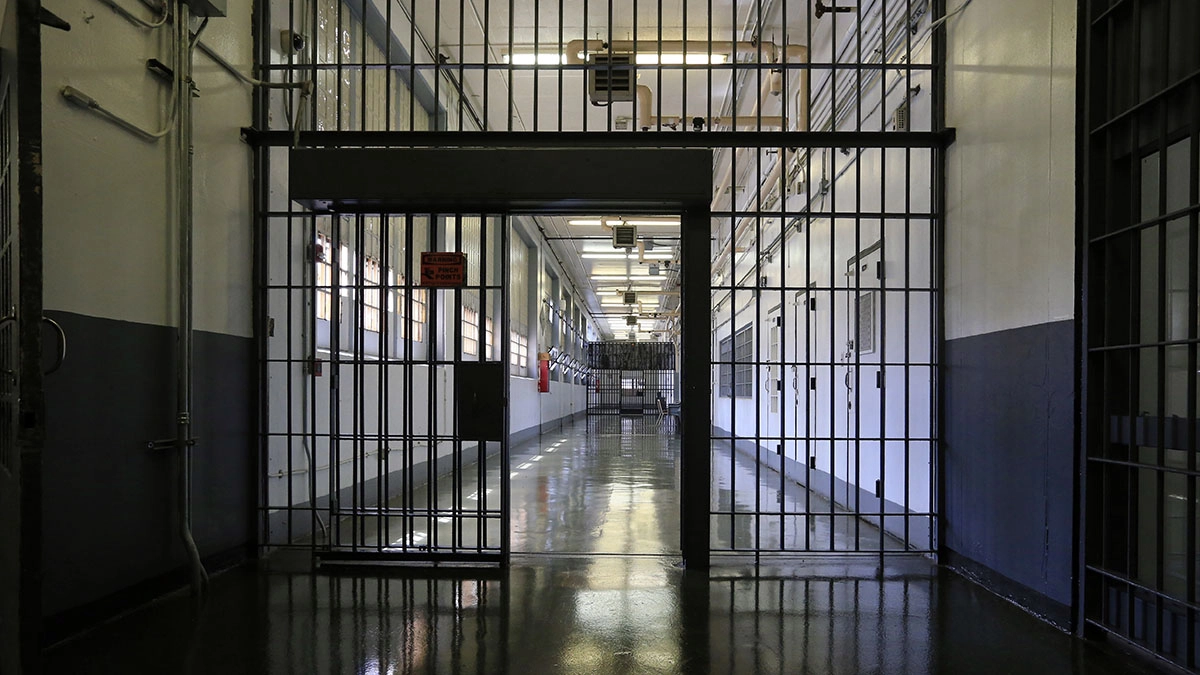

The Egyptian imam and hospital chaplain in Cincinnati, Ayman Soliman, regained his freedom after more than 70 days in immigration custody in Ohio. His case mobilized organizations, lawyers, and faithful who denounced the conditions of his detention and the unsubstantiated accusations he faced.
During this period, the Muslim community in the United States and civil rights groups demanded his release, pointing to an unfair process that violated basic rights. Eventually, authorities restored his asylum status, allowing him to leave the detention center.
A Return After Community Pressure
The religious leader's release was celebrated as a collective triumph. Soliman recounted that for more than ten weeks he was deprived of seeing the sun or the sky, and that the days passed in isolation, with restrictions on prayer and conditions he described as "dehumanizing." He compared the experience to what he suffered in Egyptian prisons in the past, asserting that the brutality of both incarcerations was similar.
In statements to local and national media, he maintained that he was treated like a common criminal and not an asylum seeker, which he found especially painful.
Upon leaving the detention center, Soliman was greeted with tears and hugs from his community in Cincinnati. He recounted that one of the first things he experienced was the emotion of hearing congregational prayers again, something he had been denied for weeks.
Organizations such as CAIR and the Muslim Legal Fund of America emphasized that his release was possible thanks to public pressure and the work of lawyers who successfully challenged the legality of his detention.
An arrest with disputed charges
The case began in July, when Soliman attended a routine appointment with immigration officials. After several hours of interviews, he was arrested and taken to a Butler County jail outside Cincinnati. He said it was then that he was informed of alleged terrorism-related charges. And even two murders in Iraq, despite having never been to that country.
The news of these accusations stunned him, especially because he was not presented with concrete evidence and no details such as dates or names were specified. Based on these allegations, he was initially denied bail. Soliman himself said that an ICE agent confessed to him that there was a new order instructing them to detain those who attended immigration checks, giving them no other option.
The following days were marked by isolation. He spent five days in solitary confinement after requesting a place to pray, and during that time he had no access to his lawyer.
What's Next for Soliman
With his release, the imam claims to have had "a rebirth," although he acknowledges that the experience left deep scars. His asylum status has been reinstated and he is now awaiting processing for his permanent residency card.
For his supporters, his freedom symbolizes a victory, but also a reminder of the structural failures of the US immigration system and the need to continue monitoring similar cases.
Judge orders ICE to release DACA immigrant in New Mexico
ICE arrests day laborers in Los Angeles raid
Dallas ICE shooter wanted to “cause terror” among agents, not detainees, authorities say