

Texas adds 69 new highway agents: what they will control and where
Texas added 69 new Highway Patrol officers. Learn what tasks they can perform, where they will work, and what changes for drivers
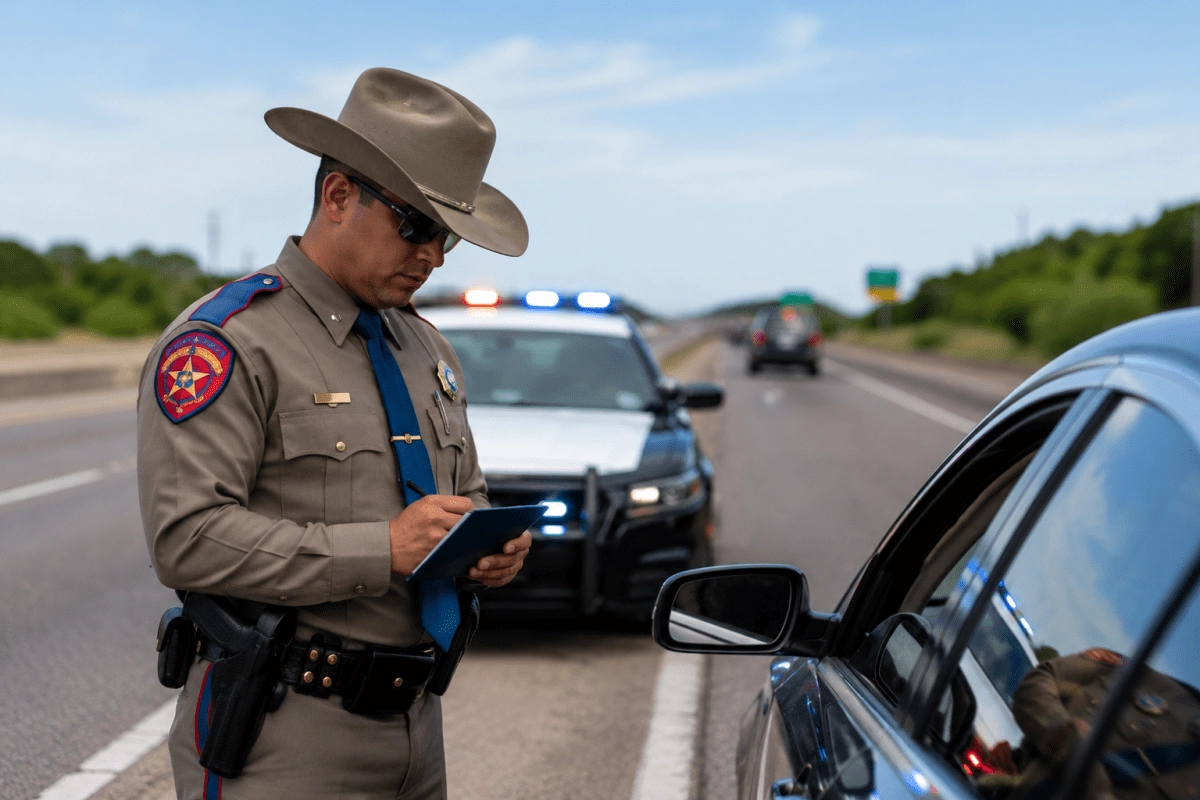

Texas drivers will begin to see new Highway Patrol officers in different areas of the state. The Texas Department of Public Safety (DPS) hired 69 new troopers, who reported to their assigned positions on July 5.
The officers are part of class D-2025, the 181st class graduated by DPS. This is not a special operation directed against motorists or a specific new order from Governor Greg Abbott, but rather an addition of personnel aimed at reinforcing the usual road safety and police tasks in communities throughout Texas.
What tasks can new agents perform?
Members of the Texas Highway Patrol are empowered to stop vehicles for suspected traffic violations, investigate accidents, intervene in chases, assist in emergencies, and participate in criminal investigations.
During their training, new officers received more than 1,198 hours of instruction over 30 weeks. The program included criminal and traffic law, crash investigation, crisis intervention, use of force, communications, emergency medical assistance and traumatic injury care.
They also conducted field exercises with scenarios that simulate real situations, from routine vehicle stops to chases.
What areas of Texas will they be in?
The DPS reported that the 69 agents were sent to jobs distributed in different parts of the state, although it did not publish an individual list of destinations.
That means reinforcement will not necessarily be concentrated on a single road or region. The new troopers can be assigned to both large metropolitan areas and rural communities and remote areas.
Graduates are between 21 and 51 years old. Among them are 20 veterans of the Armed Forces, while 26 speak more than one language, a relevant fact in a state with a diverse population and a large Hispanic community.
What drivers should keep in mind
Incorporation does not change traffic laws or create new fines. However, a greater police presence can mean more enforcement on speeding, dangerous driving, seat belt use, driving under the influence of alcohol or drugs and other offences.
The DPS did not link this new promotion with immigration operations or with an extraordinary campaign against drivers. The official statement presents the measure as part of the usual training and deployment process for Highway Patrol agents.