

The European Union approves signing one of the world's largest free trade agreements with Mercosur
The European agricultural sector fears the impact of an influx of meat, rice, honey, or soybeans in exchange for the export of vehicles, machinery, cheeses, and wines
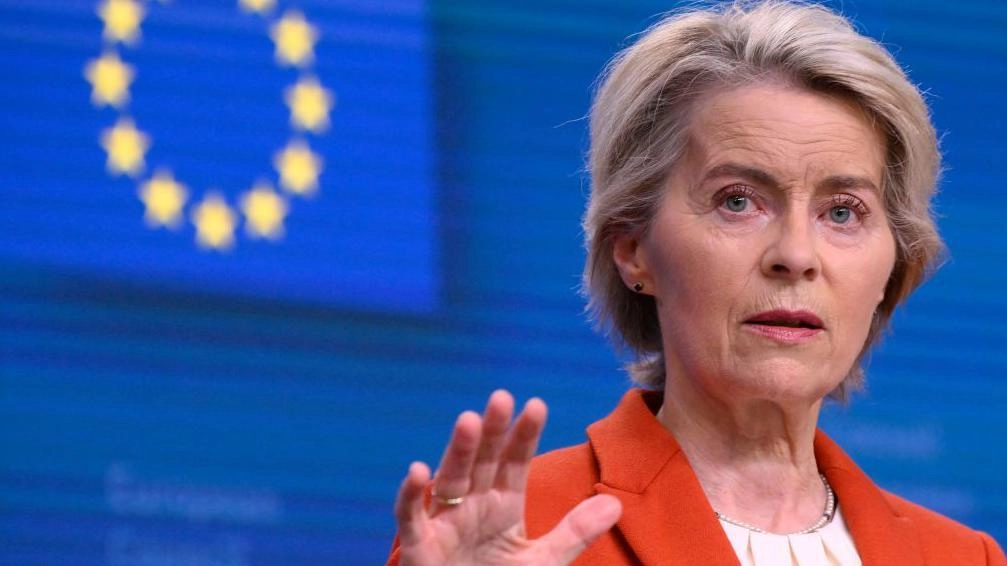

After more than 25 years of negotiations, the Council of the European Union approved an agreement this Friday with the Southern Common Market, Mercosur, which includes several clauses designed to calm the unease of European farmers.
The 27 States The countries that make up the European trade bloc achieved a majority, despite the opposition announced by countries such as France, Poland, and Ireland. With this result, the President of the European Commission, Ursula von der Leyen, plans to fly to Paraguay and sign the agreement with Mercosur next Monday. When the agreement is sealed by both parties, it will pave the way for the creation of the world's largest free trade area. However, for the agreement to come into effect, another step is still needed. After the signing of the document in Paraguay, the approval of the European Parliament is also required, which must vote on it in the coming weeks. The outcome of the vote in the European Parliament is unclear, as some 150 MEPs (out of a total of 720) are threatening to take legal action to prevent the agreement's implementation. Argentina, Brazil, Paraguay, and Uruguay are the founding states of the trade bloc. South American.
The European Commission has been negotiating with these four countries since 1999 with the aim of creating a gigantic free trade zone, encompassing more than 700 million consumers, and eliminating tariffs on more than 90% of their bilateral trade.
The road to this point has not been easy. The European agricultural sector fears the impact of a massive influx of South American meat, rice, honey, and soybeans, in exchange for the export of European vehicles, machinery, cheeses, and wines to Mercosur.
Those who oppose the trade agreement, led by France, argue that the European market could be severely affected by the entry of more competitive South American products due to production standards considered less stringent.
Its defenders, such as Spain and Germany, argue that the agreement will diversify trade opportunities for a Europe threatened by Chinese competition and US tariff policy.
Recently, Italy changed its position from rejecting the agreement and this week highlighted the “enormous benefits” that the partnership between the two blocs will generate.
The fury of European farmers and ranchers
The agreement includes certain concessions made to appease the anger of European farmers and ranchers who have persistently opposed the partnership with South American countries due to the negative effects that tariff reductions could have on their sectors.
Among these, the Commission announced in September a series of guarantees for its meat, poultry, rice, honey, egg, and ethanol sectors, limiting the quota of tariff-free Latin American products and intervening in case of market destabilization.
And the month Last week, the Commission added that it will open an investigation if the price of a Mercosur product is at least 8% lower than the same product in the European Union, or if the volume of imports increases by more than 8%.
“Agricultural priorities have been at the heart” of the negotiations, said Olof Gill, one of the European Commission's spokespeople.
In addition, the body pledged to legislate on pesticide residues in imported products, an issue that farmers have pointed to as a possible indicator of “unfair competition.”
In response to these concerns, the Commission announced this week a total ban on three substances: thiophanate-methyl, carbendazim, and benomyl, particularly in citrus fruits, mangoes, and papayas.
As of Friday, French farmers were still maintaining their tractor protests at the entrances to Paris, rejecting the signing of the agreement.
In this tense atmosphere, France decreed the Temporary suspension of the entry of certain agricultural products treated with substances banned in the European Union, mainly from South America. Products such as avocados, mangoes, guavas, citrus fruits, and potatoes, among others, will not be allowed to enter France if they contain five fungicides and herbicides banned in Europe.