

Widely consumed fish pose a significant health risk
The public is urged to choose a balanced diet and be cautious when choosing seafood with high levels of these substances
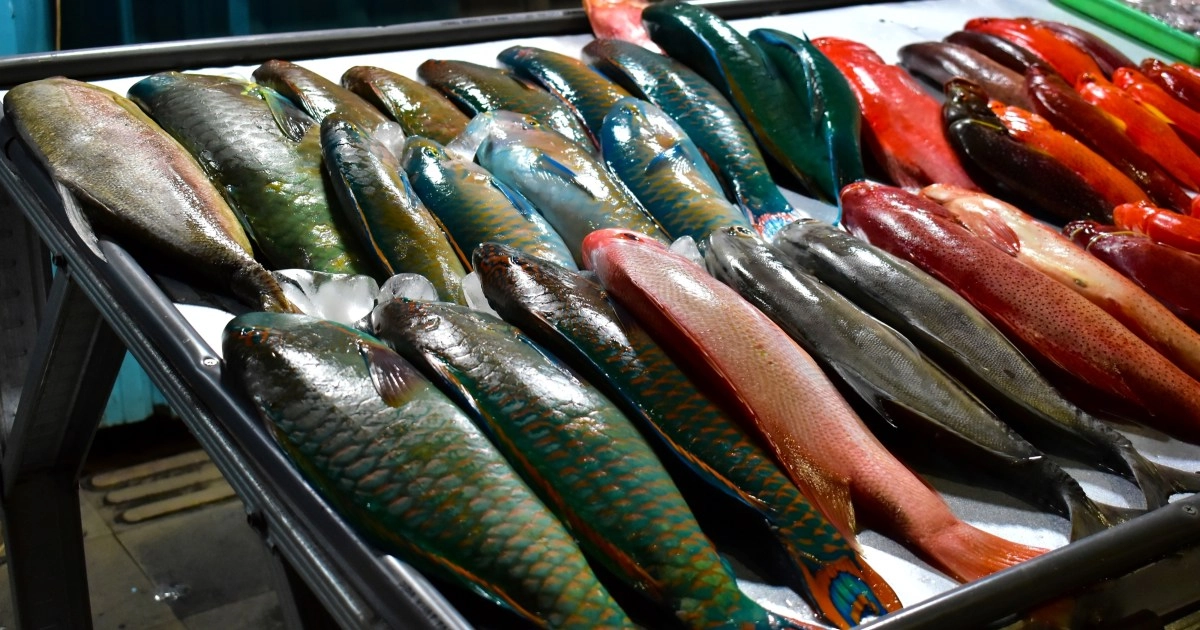

A recent study by the City University of Hong Kong (CityUHK), published in Science, has found that widely consumed fish, such as salmon, swordfish, tuna, and cod, are contaminated with PFAS (perfluoroalkyl and polyfluoroalkyl substances).
These chemicals, Often referred to as “chemicals for life,” they pose significant risks to human health. Researchers analyzed data from 3,000 sites worldwide over two decades and examined PFAS levels in 212 species of marine fish. The results revealed that fish contain PFAS levels even in regions with low environmental pollution. Global average levels of PFAS in fish between 2010 and 2021 were 0.34 ng/g, with considerably higher levels in Asia.
Health Consequences
Kenneth Mei Yee Leung, author of the study, warned of specific risks for certain groups, such as the elderly, pregnant women, and young children, who are more susceptible to the adverse effects of PFAS.
The public was urged to opt for a balanced diet and be cautious when choosing seafood with elevated levels of these substances.
Prolonged exposure to PFAS is associated with various health problems. These persistent chemicals accumulate in the body and can affect multiple organ systems.
Cancer Risks. Certain PFAS, such as PFOA, increase the risk of kidney and testicular cancer with chronic exposure. They are also linked to other types of cancer in epidemiological research.
Immunological effects. PFAS weaken the immune system, reducing the response to vaccines and the ability to fight infections. This is especially noticeable in children.
Liver and kidney damage. They cause alterations in liver enzymes, elevated cholesterol, and kidney damage. Studies show impacts on liver and kidney function after prolonged accumulation.
Endocrine and reproductive problems. They interfere with thyroid hormones, fertility, and fetal development, causing low birth weight, premature birth, and growth retardation in children. They also increase the risk of preeclampsia in pregnant women.
Regulation and food safety
This study emphasizes the need for a review of regulations on fish imports and food safety in light of the increase in PFAS contamination.
The information presented is intended to inform consumers and regulatory bodies about the urgent need to address the problem of consuming contaminated fish.
PFAS levels
Clear differences in PFAS levels have been found between different types of fish and also between parts of the same fish. These differences depend on the species, habitat, and the tissue analyzed (muscle vs. viscera).
Factors that explain the differences:
Levels in fillets vs. whole fish: